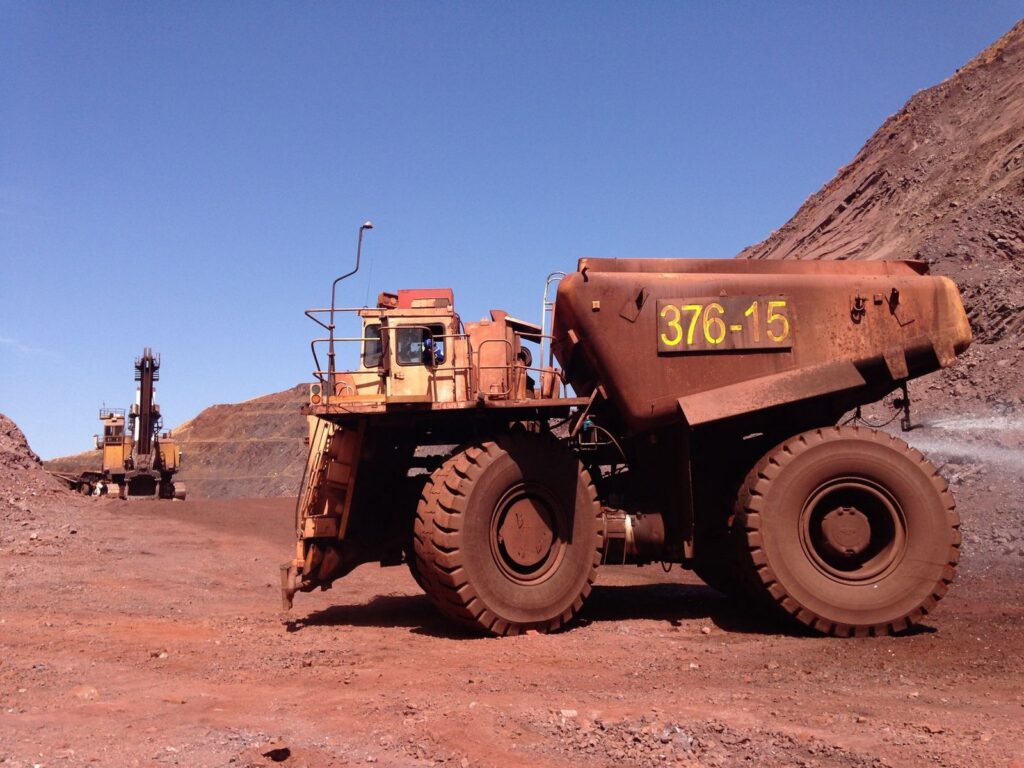
The Gabon extractive sector entered 2026 with mixed results, as overall activity declined by 2.9% in the first quarter. This downturn was primarily driven by a sharp drop in hydrocarbon production, while the manganese mining sector continued to expand. The findings, outlined in the sectoral economic outlook from the General Directorate of Economics and Fiscal Policy (DGEPF), highlight Gabon’s ongoing structural dependence on its oil and gas sector for revenue.
Oil sector decline drags down Gabon’s extractive industries
The hydrocarbon sector’s struggles have significantly impacted Gabon’s extractive economy. In Libreville, crude production has been weakening for several quarters due to aging oil fields, prolonged maintenance of key infrastructure, and insufficient upstream investment to offset natural field depletion. The 2.9% contraction in extractive activity reflects this persistent downward trend, especially as oil remains the country’s top export earner.
Gabonese authorities are closely monitoring this situation, as state revenues remain highly sensitive to fluctuations in both production volumes and global oil prices. The sector’s underperformance coincides with a regional shift where major international energy companies are reallocating investments toward basins perceived as more profitable or less mature. The Gabonese sedimentary basin, historically central to the national economy, now faces intensified competition for exploration and production capital.
Manganese emerges as a stabilizing force amid economic transition
Amid the hydrocarbon downturn, the mining sector—particularly manganese—has acted as a stabilizing factor. Gabon, one of the world’s leading manganese producers, saw continued growth in the sector during the first quarter. This trend reflects a decade-long expansion driven by strong demand from Asian steelmakers and the growing use of manganese in next-generation battery technologies, particularly in cathode production.
The manganese sector’s rising contribution to Gabon’s extractive value added signals a gradual shift in the country’s mining portfolio. Authorities are leveraging this momentum to diversify revenue streams and promote local processing, including projects focused on silicomanganese production. These efforts align with a growing regional trend among Central and West African mining nations to capture greater value by processing raw materials before export.
Diversification and industrial sovereignty take center stage
The DGEPF’s latest report underscores a critical challenge for Gabon’s transitional government: balancing reliance on hydrocarbons for fiscal stability with the need to expand non-oil revenue streams. The Equatorial Mining Company (SEM), which holds stakes in multiple projects, exemplifies the push for greater national control over key extractive segments.
Meanwhile, questions persist about how to revive Gabon’s upstream oil sector. Policy discussions are underway on offshore bidding rounds, contract frameworks, and fiscal incentives to stimulate exploration. However, the long lead times between discovery and production—often exceeding five years—demand a medium-term perspective from policymakers.
For Gabon, the immediate priority is managing three interconnected objectives: boosting hydrocarbon output to safeguard short-term fiscal health, strengthening the manganese sector to ensure stable mineral rents, and preparing for a post-oil future through local processing and economic diversification. The first-quarter 2026 data serves as a reminder that this balancing act leaves little room for hesitation or improvisation.


More Stories
Mali’s military under siege: the human cost behind Assimi Goïta’s strategic missteps
Niger’s August crisis: how Tiani’s reliance on Russia exposed deeper fractures in the military
Burkina Faso’s military push raises urgent questions amid mass displacement crisis