Bambali’s hidden play: how Sonko’s 2029 tease reshaped Senegal’s political lens
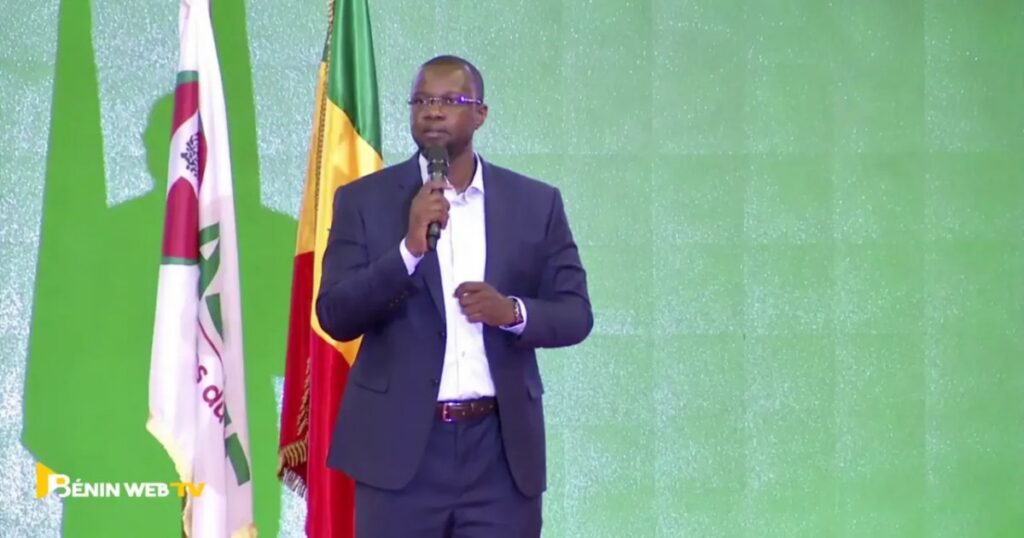
Behind the quip at SM10 Agro’s agro-industrial launch lies more than a jest. Ousmane Sonko’s offhand remark about outrunning Sadio Mané in the 2029 race isn’t just banter—it’s a calculated signal of political intent disguised as humor. The moment in Bambali wasn’t merely a photo opportunity; it was a strategic pivot that reframed the national conversation months before the first campaign poster is printed.
Why the 2029 tease wasn’t just a joke
At the SM10 Agro groundbreaking in Bambali, Sonko didn’t just reference Sadio Mané’s footballing legacy—he positioned himself as the inevitable political successor. The choice of venue was deliberate: the agro-industrial complex sits on 500 hectares in the heart of Casamance, Mané’s home territory. By framing Mané’s football prowess as secondary to his own political ambitions, Sonko didn’t just tease—he laid claim to the narrative of Senegal’s future.
The quip—“football is yours, but politics is mine”—was met with laughter, but its echo is anything but humorous. It signals a shift in Senegal’s political calculus: a star athlete’s local influence is potent, but the corridors of power are Sonko’s domain. The comparison to George Weah’s transition from pitch to presidency was no accident—it was a nod to historical precedent and a challenge to Mané’s political quietism.
The economic subplot: why SM10 Agro matters in 2029
The SM10 Agro project isn’t just an economic initiative—it’s a strategic chess piece in the 2029 power play. With a budget of 11.7 billion FCFA and a projected annual output of 8,500 tonnes of processed mango, the complex is designed to transform Casamance’s fruit sector. Direct employment of over 1,000 with a long-term target of 2,500 isn’t just about jobs—it’s about shaping voter loyalty in a region where Mané’s influence runs deep.
Sonko’s endorsement of the project comes with a message: economic transformation begins at home. By tying Mané’s legacy to regional development, Sonko doesn’t just address the athlete—he speaks to the Casamance voter. The APIX-backed initiative, part of Senegal’s agricultural value chain strategy, positions Sonko as both visionary and executor, while subtly shifting the focus from Mané’s star power to Sonko’s policy vision.
What’s next: the unspoken contest brewing in Senegal
Sonko’s tease wasn’t an isolated incident—it’s the opening volley in a contest that transcends football and politics. Mané’s silence in response isn’t indifference; it’s strategic restraint. Yet the absence of a public denial from Mané speaks volumes: the baton may not have been passed, but the relay race has begun.
The real question isn’t whether Mané will run in 2029—it’s whether Senegal’s voters will choose the pitch or the podium. Sonko’s gambit at Bambali was never about Mané. It was about claiming the future, one provocation at a time.
- Key takeaway 1: Sonko’s 2029 tease at SM10 Agro wasn’t a joke—it was a strategic reframing of Senegal’s political landscape.
- Key takeaway 2: The agro-industrial project in Bambali isn’t just economic—it’s a political lever in the making.
- Key takeaway 3: The unspoken contest between Sonko and Mané is about more than titles—it’s about the soul of Senegal’s next chapter.
More Stories
Behind the Bambali agro-industrial park launch: what Sonko and Mané’s vision reveals about Senegal’s rural transformation
Senegal’s upcoming local elections: what is Diomaye Faye hiding about the 2027 vote?
Senegal’s shadow budget: why unchecked special funds drain public trust and budgets