The United Nations Security Council’s decision not to renew the mandate of the UN Mission for the Referendum in Western Sahara (MINURSO) has sent shockwaves through the region. Effective November 1, the withdrawal of 359 civilian and military personnel—deployed since 1991—has left a power vacuum in a territory mired in a 50-year conflict between Morocco, which controls 80% of the land, and the Polisario Front, backed by Algeria.
Regional instability and potential conflict
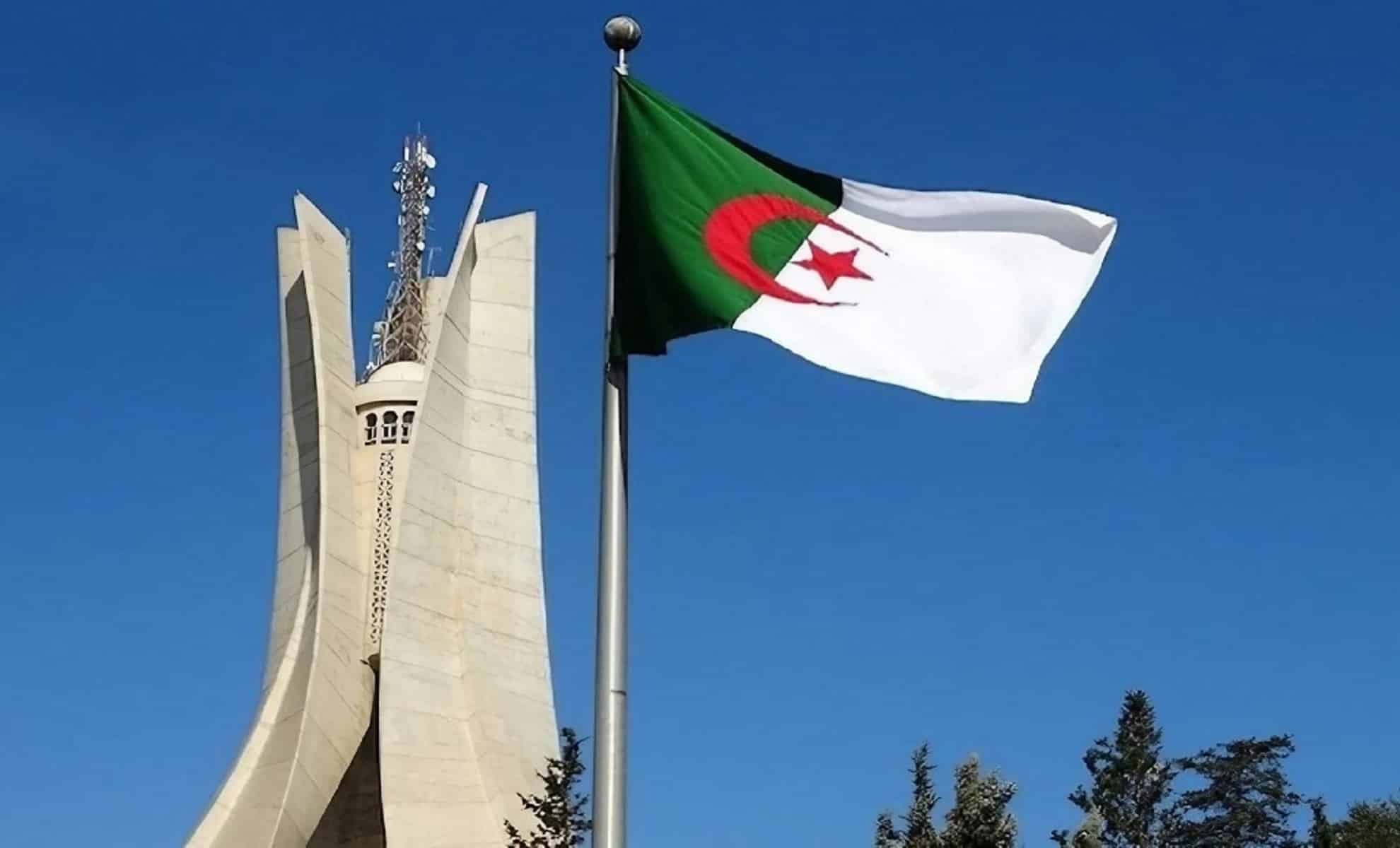
The sudden exit of MINURSO, confirmed by the UN, has intensified concerns about escalating tensions. Analysts warn that Morocco may leverage the power shift to assert control over the remaining 20% of the disputed territory, a move that could provoke a military response from Algeria. Such a confrontation risks pulling the entire Maghreb region into a destabilizing conflict, with far-reaching consequences for North Africa and Europe.
Ignacio Cembrero, a leading expert on Hispano-Moroccan relations, describes the situation as a “leap into the unknown.” Without the UN’s monitoring presence, the delicate balance between Rabat and Algiers could collapse overnight, raising the specter of direct confrontation.
Spain on high alert: migration spikes and diplomatic unrest
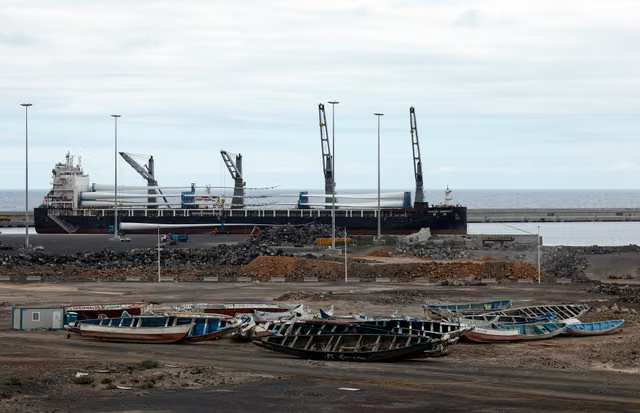
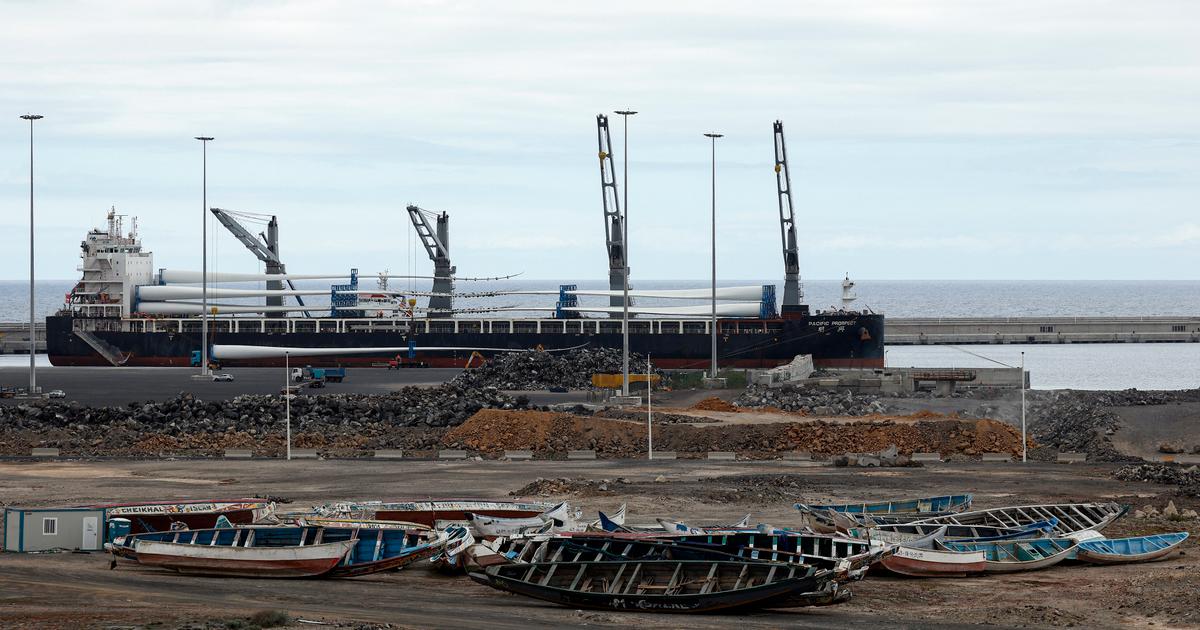
The withdrawal has also triggered immediate concerns in Spain, particularly over the Western Sahara migration crisis. With Morocco controlling key migration routes, Madrid fears a surge in irregular arrivals to the Canary Islands, where over 46,000 migrants landed in 2024 alone. The absence of MINURSO’s oversight removes a critical barrier to uncontrolled movement across the Sahara.
Morocco’s strategic positioning further complicates Spain’s position. Analysts suggest Rabat could use migration as a “pressure tool” to demand concessions, such as control over Western Sahara’s airspace—a demand tied to the management of the Las Palmas airport. Such tactics would deepen tensions between Madrid and Rabat, straining bilateral relations that have already faced challenges in recent years.
Europe’s broader risks: energy, economy, and security
While Spain faces direct fallout, the crisis extends across Europe. Hugh Lovatt of the European Council on Foreign Relations highlights three critical areas at risk:
- Energy security: Western Sahara’s phosphate reserves and renewable energy potential could become bargaining chips in regional disputes.
- Economic integration: Disruptions in trade routes and cross-border cooperation could hinder economic stability in North Africa and Southern Europe.
- Migration management: A collapse in cooperation between Morocco and the EU would exacerbate existing challenges in controlling irregular migration flows.
What’s next? The road to resolution or further destabilization
The UN’s withdrawal leaves a void that no regional actor can easily fill. Morocco’s upcoming moves will be pivotal—whether through diplomatic overtures or military escalation. Meanwhile, Spain and the EU must navigate a treacherous landscape where migration, security, and sovereignty intersect.
As the dust settles on MINURSO’s departure, one question looms large: “Will the region endure another cycle of conflict, or can diplomacy avert disaster?” The answers will shape the future of Western Sahara—and Europe’s role in managing the fallout.