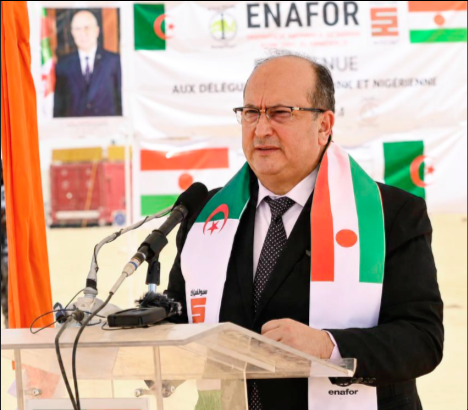
When Alassane Ouattara signed the newly revised UEMOA convergence pact on 23 October 2026, the move marked the end of years of budgetary drift—and the beginning of a fierce public reckoning across West Africa. For Ivory Coast, the union’s largest economy—contributing nearly 40% of combined GDP—the signature was anything but symbolic. It tied the country’s debt trajectory directly to the stability of the CFA franc’s peg to the euro, sending shockwaves through regional markets and igniting a storm of debate over who will bear the cost of fiscal discipline.
How Senegal’s hidden debt crisis blew apart the old UEMOA rules
Since 2015, UEMOA’s convergence pact had relied on a familiar framework: a 3% GDP deficit ceiling, public debt capped at 70%, inflation under 3%, and a ban on arrears accumulation. But by 2020, not a single member had met all four benchmarks consistently. The pandemic, global rate hikes, and the revelation of Senegal’s revised debt figures under the new administration—announced in 2024 by Prime Minister Ousmane Sonko’s government—shattered the pact’s credibility overnight.
The numbers tell the story. By mid-2024, Senegal’s debt had surged past 80% of GDP, while Ivory Coast and Togo hovered around or above 60%. Regional sovereign bond yields spiked to over 7% on long maturities in 2024–25, as investors priced in higher political risk premiums. In response, UEMOA’s Commission and the BCEAO—West Africa’s central bank—pushed for a tighter fiscal anchor to restore credibility. The new pact now demands stricter enforcement, not just stricter targets, setting the stage for a sustained clash between growth ambitions and austerity demands.
Divided West Africa: Why Ivory Coast’s pledge matters—and who’s struggling
Ivory Coast’s endorsement carries outsized weight because Abidjan’s economy has grown 6–7% annually for over a decade. By committing to tighter fiscal discipline, Ouattara’s government signaled to rating agencies and multilateral lenders—especially the International Monetary Fund—that it remains a credible partner. Ivory Coast is already under a 3.5-billion-dollar IMF extended credit program approved in 2023, and adherence to the new pact could unlock further support.
Yet the rest of the union faces far steeper hurdles. Senegal’s debt revision triggered a temporary IMF funding freeze in 2024, forcing Dakar to slash spending and delay projects. Meanwhile, Mali, Burkina Faso, and Niger are locked in a brutal security crisis, diverting billions to defense while their budgets hemorrhage. Benin and Togo, though better positioned, still face investor skepticism. Guinea-Bissau remains under a structural adjustment program, its fiscal woes deepened by chronic underinvestment and weak institutions. With such divergent realities, the new pact risks becoming a battleground rather than a roadmap.
BCEAO at the crossroads: Can monetary stability survive fiscal turbulence?
The real test lies not in the signed words, but in whether UEMOA’s Commission can enforce its rules. Past reviews were semiannual and toothless—no penalties, no consequences. But Ivory Coast’s public pledge changes the game. If the region’s engine room commits to discipline, peer pressure could finally make non-compliance politically costly for others.
The BCEAO, headquartered in Dakar, now walks a tightrope. Its foreign reserves dipped to around five months of import cover in 2024, according to its own disclosures, while it must still finance state deficits through regional bond markets. A credible convergence framework buys breathing room—allowing the central bank to calibrate monetary policy after six consecutive rate hikes since 2022. But the proof will come in early 2027, when joint UEMOA–BCEAO reviews test whether the pact is just ink on paper—or the blueprint for a sustainable future.