Mali has experienced a notable setback in its community reform implementation, with the rate dropping from 80.06% in 2024 to 75.52% in 2025—a decline of 4.54 percentage points. This shift marks a pivotal moment for the country, raising pressing questions about its institutional credibility and ability to sustain investor trust in the UEMOA regional financial market.
Behind the numbers: understanding Mali’s reform slowdown
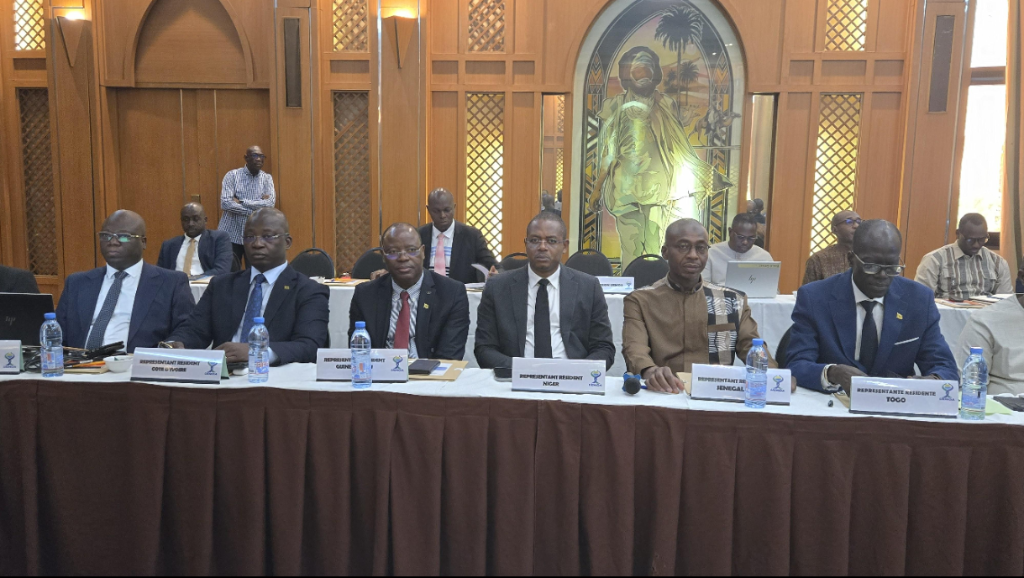
The latest annual assessment, conducted during the 12th review of UEMOA’s community reforms in Bamako, revealed a downward trend that demands closer analysis. While the figure itself does not signal immediate financial distress, it signals a potential erosion of investor confidence—a key driver of long-term economic stability in the region.
Institutional and administrative hurdles
Several interconnected factors are contributing to this downward trajectory. Shifting regional alliances, particularly the formation of the Alliance of Sahel States (AES), have complicated policy coordination and weakened alignment with UEMOA’s reform agenda. At the same time, internal administrative constraints—including delays in regulatory adoption, scarce human resources, and fragmented inter-ministerial coordination—are slowing the pace of implementation.
Security imperatives and tight fiscal margins further complicate reform efforts. With defense and public safety taking priority, public investment in structural reforms has diminished, leaving fewer resources for initiatives that could strengthen economic resilience.
Investor perception: more than just numbers
The regional UEMOA financial market, where Mali routinely raises critical capital through sovereign bonds and treasury bills, is highly sensitive to shifts in reform momentum. Investors do not invest solely on the basis of yield—they assess governance quality, policy predictability, and adherence to long-term commitments.
A sustained decline in reform progress may lead to higher perceived risk, prompting investors to demand elevated returns. While the 4.54-point drop does not yet indicate a full-blown crisis, it acts as a warning sign that could influence financing costs and market sentiment in the near term.
Financing the state: the stakes of reform delays
In 2026, Mali plans to secure 1,450 billion CFA francs from the UEMOA market—up from 1,193 billion in 2025. These figures underscore the country’s heavy reliance on regional financing. However, a perceived weakening in reform momentum could result in one of two worrying outcomes: either investors demand higher yields, increasing debt service costs, or they show reduced appetite, making it harder to meet funding targets.
Both scenarios would strain public finances, diverting resources away from infrastructure, education, and healthcare. Commercial banks, currently the main subscribers to sovereign debt, could also face growing concentration risk in their portfolios.
Rebuilding momentum: a path forward for Mali
For Mali, this moment represents a critical juncture. Its membership in UEMOA provides access to a shared currency, regional integration, and a unified financial market—all essential for sustainable financing. The 12th reform review presents an opportunity to identify bottlenecks, enhance inter-ministerial coordination, and establish clear timelines for overdue reforms.
The loss of 4.54 points is not yet a market condemnation—but it is a cautionary signal. Restoring investor confidence will require more than declarations; it will demand consistent policy action, transparent reforms, and a renewed commitment to regional obligations. In the UEMOA market, trust is not granted—it is earned, one reform at a time.