From banking collapse to political earthquake in Paraguay
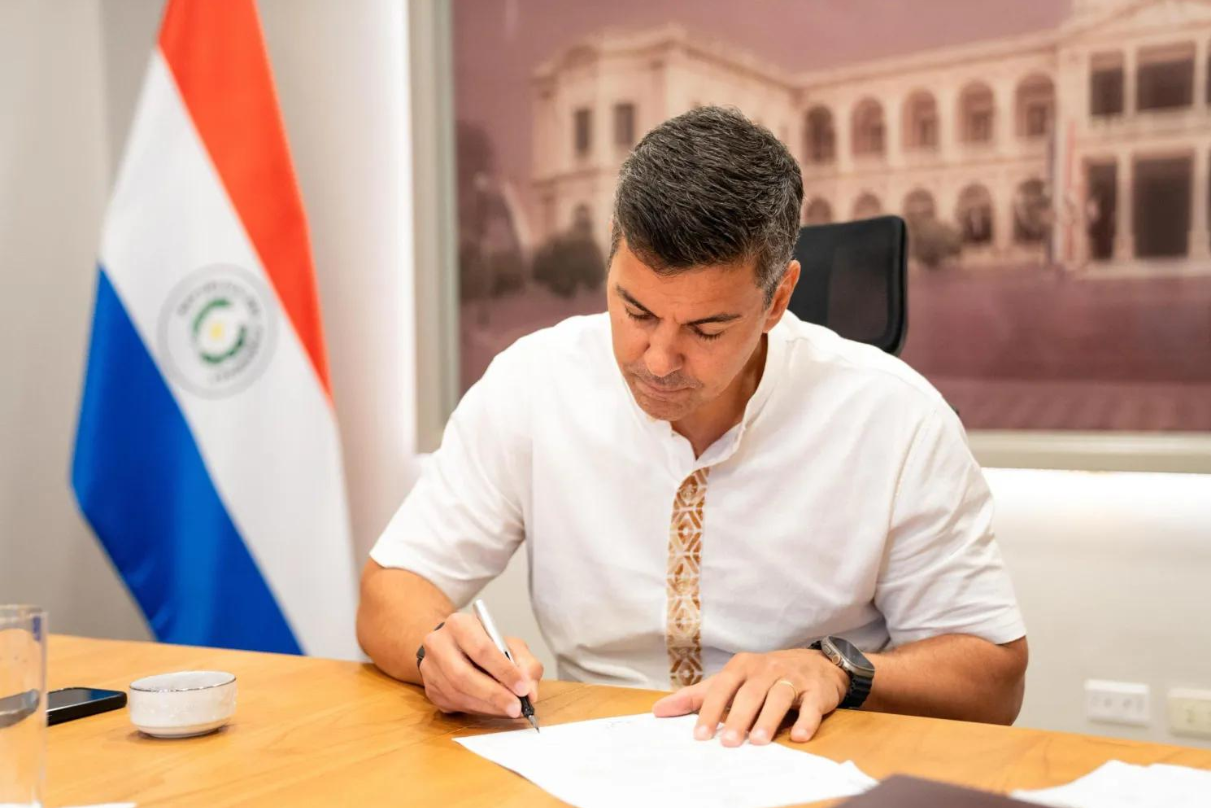
The resignation of President Santiago Peña marks a dramatic turning point for Paraguay, as the nation grapples with the fallout of a devastating banking crisis that has shattered public trust and destabilized the economy. In a stunning reversal of fortune, Peña stepped down under immense pressure from lawmakers, protestors, and the financial meltdown of Ueno Bank, leaving the country at a critical crossroads.
Ueno Bank’s collapse sparks financial and social unrest
The collapse of Ueno Bank, once a cornerstone of Paraguay’s financial system with nearly 3 million customers in a country of just six million, triggered a national upheaval. Regulators shut down the bank after discovering its solvency ratio had plummeted below the required 50%, rendering it incapable of meeting its financial obligations. The abrupt closure left millions of depositors—including retirees, employees, and public fund holders—frozen out of their accounts and savings.
Public outrage erupted in the streets of Asunción, where pensioners and workers demanded accountability. The crisis deepened as Ueno Bank managed critical public funds, including social security and pension payments, leaving hundreds of millions of dollars in limbo. The event has since transcended a mere financial scandal, exposing systemic failures in oversight and governance.
Peña’s legacy under scrutiny: conflict of interest allegations
Santiago Peña’s resignation follows accusations that his past ties to the economic group behind Ueno Bank compromised his ability to act impartially. Though Peña divested from the group in 2025, critics argue that his earlier investments and the bank’s regulatory failures reflect deeper conflicts of interest within his administration.
The opposition has accused Peña of enabling excessive risk-taking with public funds and failing to act on early warnings about Ueno Bank’s instability. These allegations, compounded by the resignation of Central Bank President Carlos Carvallo—a former executive at the troubled bank—have fueled demands for transparency and reform.
Impeachment looms as political alliances crumble
The president’s position became untenable as opposition lawmakers initiated an impeachment process, and key allies within his own Colorado Party withdrew support. On the day of his resignation, the Chamber of Deputies voted to impeach Peña, just minutes after he announced his departure. The Senate is now poised to review the case in a pivotal test for Paraguay’s democratic institutions.
The crisis has exposed fractures within the ruling party and raised questions about the resilience of Paraguay’s political framework. The transition to Vice President Pedro Alliana will be fraught with challenges, from restoring depositor confidence to addressing the bank’s collapse and its economic ripple effects.
What’s next for Paraguay’s battered economy and institutions?
Pedro Alliana inherits a nation in turmoil, with urgent priorities including safeguarding public funds, accelerating depositor reimbursements, and investigating the collapse of Ueno Bank. Authorities have pledged swift action to stabilize the banking sector, but the damage to Paraguay’s reputation as an economic model—or its long-term recovery—remains uncertain.
This crisis forces Paraguay to confront long-standing questions: How did a nation once hailed for stability and investor appeal stumble into such a profound institutional failure? As the dust settles, the answers could redefine the country’s political and economic trajectory for years to come.