Gabon and Guinea’s bold public sector reforms spark regional debate
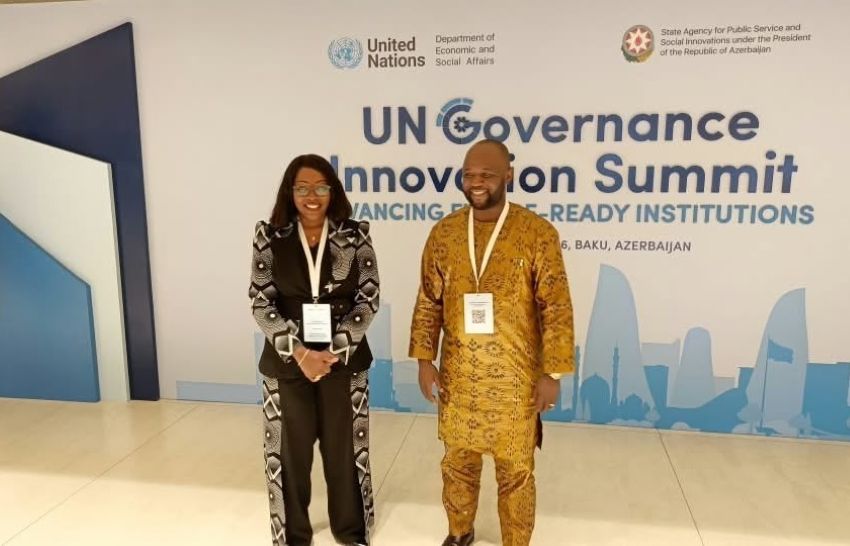
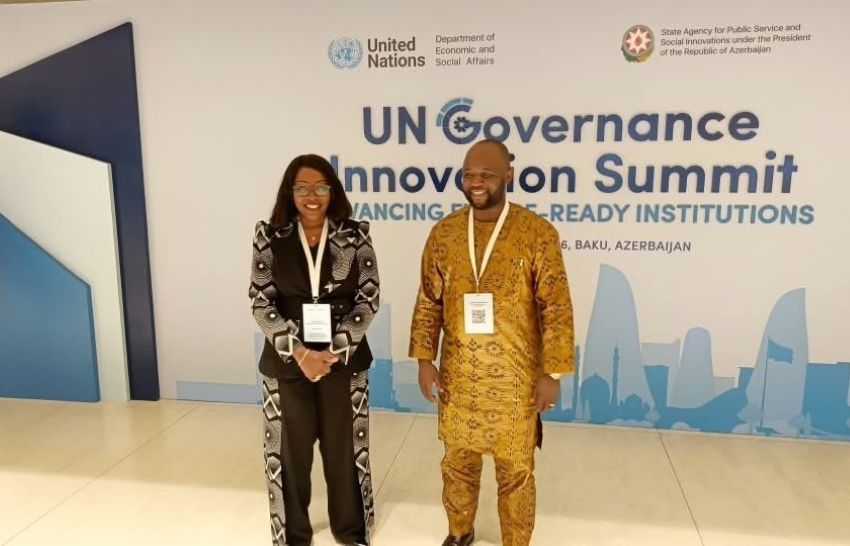
Baku, November 6, 2026 — The strategic partnership between Gabon and Guinea to modernize their public administrations has ignited a wave of public discussion across West and Central Africa. During high-level talks in Baku on November 5, ministers Laurence Ndong (Gabon) and François Bourouno Faya (Guinea) outlined ambitious plans to overhaul bureaucratic inefficiencies, accelerate digital transformation, and enhance civil service performance. But as these reforms take shape, critics and citizens alike are questioning whether the promised changes will translate into tangible improvements for everyday governance.
From diplomatic handshakes to bureaucratic reality
The meeting in Baku wasn’t just another diplomatic engagement—it represented a shared commitment to redefining how public institutions serve citizens. Gabon’s Minister of Public Service and Capacity Building, Laurence Ndong, and her Guinean counterpart, François Bourouno Faya, convened on the sidelines of the UN Summit on Governance Innovation to address long-standing challenges in public administration.
Both nations face mounting pressure to deliver faster, more transparent, and more efficient services. The Gabonese delegation highlighted ongoing reforms, including the overhaul of the civil service framework, the implementation of a new Integrated Human Resources Management System (SIGRH), and the adoption of digital archiving. Guinea, meanwhile, emphasized streamlining administrative processes and improving inter-agency coordination.
The digital transformation dilemma
While digitalization is central to both countries’ strategies, skeptics question whether the technological leap will outpace institutional readiness. The Gabonese minister emphasized that digital tools like SIGRH are not just upgrades—they’re designed to eliminate redundancies, secure sensitive data, and enable data-driven policymaking. Yet, implementation hurdles, including resistance to change and limited technical infrastructure, remain critical concerns.
What the public is asking
Citizens across both nations are demanding more than just policy announcements. They want to see:
- Faster processing of administrative requests (permits, licenses, civil service applications)
- Clearer accountability for delays or corruption in public offices
- Visible improvements in service delivery within the next 12–18 months
Regional implications: A test case for African governance
The Gabon-Guinea partnership isn’t happening in isolation. Both countries are under scrutiny as part of a broader African push toward institutional modernization. The success or failure of these reforms could set a precedent for neighboring nations grappling with similar challenges. Will these changes lead to a more responsive state—or will bureaucratic inertia prevail?
Minister Ndong and Minister Faya have pledged to deepen collaboration through reciprocal working visits and knowledge-sharing initiatives. But the real test lies in execution. As one analyst noted, “Africa’s governance renaissance won’t be televised—it will be measured in the speed of service delivery and the trust of its people.”
What’s next? Public expectations vs. political will
The coming months will reveal whether this partnership is more than symbolic. With both governments facing economic pressures and public scrutiny, the stakes couldn’t be higher. Will the reforms deliver? Or will the gap between political ambition and administrative reality widen?
One thing is certain: the debate has only just begun.