From financial meltdown to political tsunami
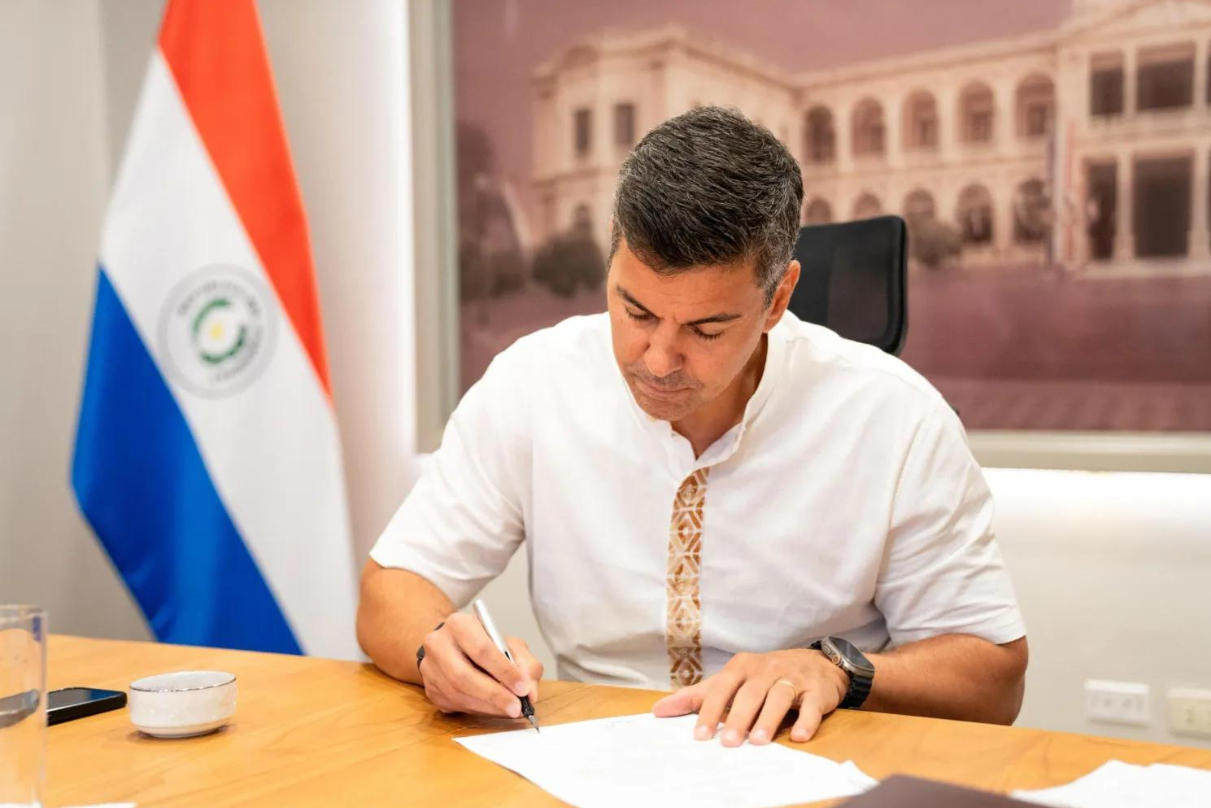
The resignation of Paraguay’s President Santiago Peña marks a historic turning point for the nation, as the country faces both a devastating banking collapse and unprecedented political turmoil. After months of escalating tensions, Peña announced his departure in a nationally televised address, citing the need to restore social peace and institutional stability amid the country’s worst financial crisis in decades.
Ueno Bank’s downfall sparks nationwide panic
The crisis erupted when Paraguay’s Central Bank intervened to suspend operations at Ueno Bank, a financial giant serving nearly half the country’s population. Regulators discovered the bank’s solvency ratio had plummeted below the 50% regulatory threshold, leaving billions in public and private deposits frozen and threatening the financial security of millions of Paraguayans.
With three million depositors suddenly locked out of their accounts and fears growing over missing pensions and social security funds, public outrage exploded into massive street protests across Asunción. The collapse exposed critical vulnerabilities in the nation’s financial oversight, particularly regarding the management of public funds entrusted to the bank.
Shadows of conflict: Peña’s former ties to Ueno Bank
The president’s previous financial connections to the banking group that controlled Ueno raised serious questions about potential conflicts of interest. Though Peña divested his shares in 2025, critics argue his past involvement created an appearance of favoritism that undermined public trust in his leadership during the crisis.
The scandal deepened following the resignation of Carlos Carvallo, the Central Bank governor and former Ueno executive, whose ties to the bank fueled concerns about regulatory capture and inadequate supervision. These revelations have intensified calls for accountability and structural reforms in Paraguay’s financial governance.
Impeachment looms as political ground crumbles
The situation reached a breaking point when opposition lawmakers initiated impeachment proceedings against Peña and Vice President Pedro Alliana. Key figures within the ruling Colorado Party, including some of the president’s former allies, withdrew their support, severely weakening his position.
Just hours before the House of Deputies was set to vote on his impeachment, Peña announced his resignation, effectively ending his presidency in a dramatic and unexpected fashion. The Senate now faces the task of reviewing the allegations in a constitutional process that will determine the next steps for Paraguay’s embattled government.
Pedro Alliana inherits a nation on the brink
With Peña’s sudden departure, Alliana assumes the presidency at a pivotal moment when the country must confront multiple crises. The immediate priorities include securing depositor funds, preventing further economic fallout from the banking collapse, and clarifying the roles of officials who failed to prevent the crisis.
While authorities have pledged accelerated reimbursement plans and launched judicial investigations into Ueno Bank’s collapse, the broader challenge remains: rebuilding trust in Paraguay’s financial institutions and restoring confidence among both citizens and international investors. The crisis has shattered the country’s reputation as a model of economic stability in the region.
The road ahead: can Paraguay recover its economic credibility?
The fallout from Ueno Bank’s collapse extends far beyond financial losses. It has exposed systemic weaknesses in governance, regulatory oversight, and political accountability, raising urgent questions about the future of Paraguay’s economy and democracy.
With public anger showing no signs of abating and the economy reeling from the shock, the next administration faces a daunting task. Whether Paraguay can emerge from this crisis as a stable and trustworthy nation will depend on the decisions made in the coming weeks—and the willingness of its leaders to confront the failures of the past.