Unverified reports trigger global speculation about Kim Jong-un’s health
New claims that Kim Jong-un has fallen into a coma following a severe brain hemorrhage have sent shockwaves through international observers. According to circulating reports, the North Korean leader was rushed to Beijing for emergency medical treatment, though no official confirmation has been issued by either Pyongyang or Chinese authorities. The absence of verifiable evidence has done little to dampen the surge of speculation across global media platforms.
A rumor born on social media gains unexpected traction
The explosive health claims first surfaced on social media, where anonymous sources and dissident accounts alleged Kim Jong-un suffered a catastrophic stroke. Among the most vocal voices was Wanjun Xie, a Chinese dissident based in the United States, who suggested the North Korean leader had been airlifted to the Peking Union Medical College Hospital in Beijing. The hospital’s reputation as a premier medical facility in China fueled the narrative, despite the lack of any public record confirming his treatment there.
Media outlets amplifying these claims have not provided independent verification, leaving the international community with only unconfirmed reports to assess. The rapid spread of these rumors highlights the volatility of information—especially when it involves a reclusive leader like Kim Jong-un.
Official silence deepens uncertainty over North Korea’s leadership
North Korea’s government has long shrouded Kim Jong-un’s health in secrecy, with any mention of his medical condition or absence from public events quickly becoming fodder for speculation. The country’s tightly controlled media apparatus ensures that only state-approved narratives reach the public, leaving foreign analysts to piece together clues from carefully curated state broadcasts and staged appearances.
Rumors of Kim Jong-un’s incapacitation have circulated before, often triggered by unexplained absences from high-profile events. However, without concrete evidence, these claims remain unproven. The regime’s history of suppressing dissent and controlling information only compounds the challenge of verifying such reports.
A dramatic video appearance temporarily grounds the storm
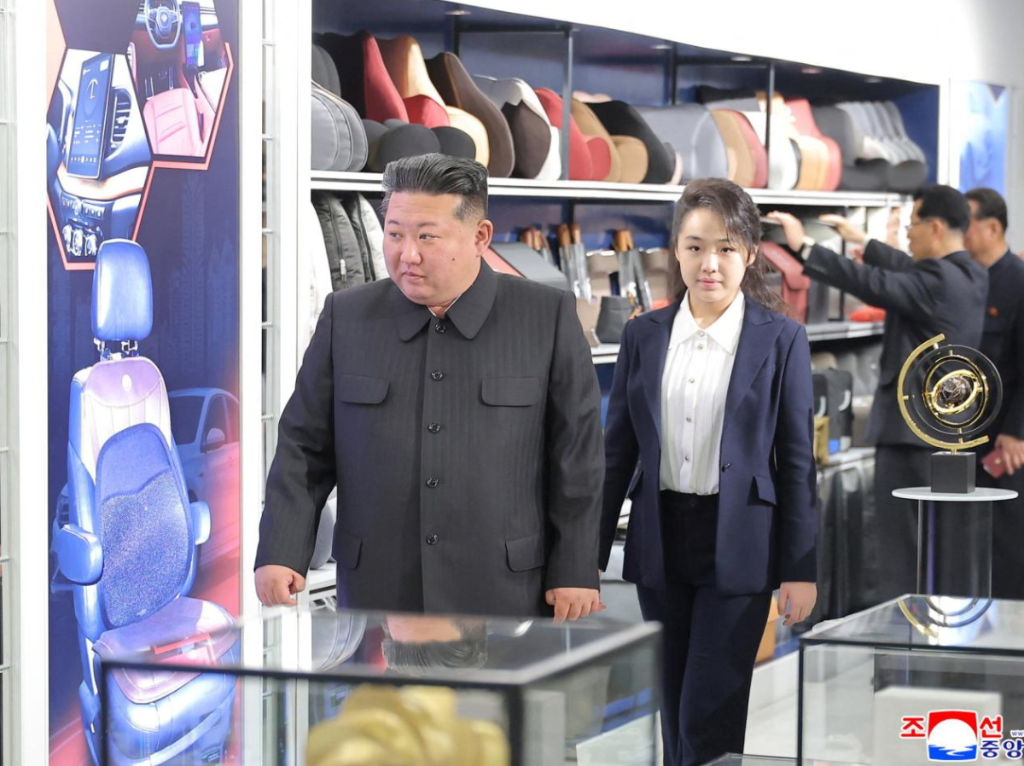
On October 20th, state-run media released footage purportedly showing Kim Jong-un visiting an exhibition in Pyongyang the previous day, accompanied by his daughter, Ju-ae. The images, broadcast internationally, offered a fleeting glimpse of the leader in public, seemingly contradicting claims of a prolonged coma. Yet while the video provides some reassurance about his immediate whereabouts, it offers no insight into his medical status or recent condition.
The carefully staged nature of the broadcast leaves room for doubt. Analysts caution that such appearances are meticulously planned to dispel rumors, meaning they cannot serve as definitive proof of the leader’s health or absence of medical issues.
North Korea’s recurring health speculation: a pattern of uncertainty
Kim Jong-un’s health has been a persistent subject of global scrutiny since he assumed power in 2011. Observers have frequently scrutinized his physical appearance, body weight, and lifestyle habits, with some intelligence assessments—particularly from South Korean sources—suggesting potential cardiovascular risks. These observations, however, do not establish a medical diagnosis or confirm the recent allegations of a brain hemorrhage.
A significant factor fueling the debate is the historical precedent set by his father, Kim Jong-il, whose death in 2011 followed a prolonged period of declining health. The shadow of Kim Jong-il’s mortality has led analysts to question whether history might repeat itself, though no definitive evidence supports such a conclusion.
What happens if the regime faces a leadership vacuum?
Speculation about a potential power shift in North Korea intensifies with every rumor of Kim Jong-un’s incapacitation. The country’s political structure relies on a tightly knit elite, with few clear successors to take the reins in the event of an unexpected leadership crisis. Kim Yo-jong, his sister and a prominent figure in the regime, has emerged as a key player in recent years, while Ju-ae’s growing presence at official events has fueled theories about her potential role in a future transition.
The implications of a sudden leadership void extend beyond Pyongyang’s borders. Regional powers—including South Korea, China, the United States, and Japan—closely monitor developments in North Korea, particularly concerning its nuclear program and regional stability. Any instability could trigger a cascade of diplomatic and security concerns across East Asia.
For now, the reports of a coma and emergency medical evacuation remain unverified. Until credible evidence emerges, the international community must treat these claims as speculative rather than factual, recognizing the inherent risks of misinformation in a regime shrouded in secrecy.