As conflict intensifies in Mali, a new report reveals a dramatic escalation in civilian casualties, marking a critical turning point in the decade-long crisis. International observers warn that the surge in abuses by both state forces and armed groups demands immediate regional intervention to prevent further devastation.
Human rights crisis deepens with shocking civilian toll
The findings, compiled from extensive field research, expose a disturbing pattern of military operations targeting non-combatants alongside insurgent attacks on security forces. With civilian protection collapsing under the weight of the conflict, pressure mounts on regional bodies to enforce accountability.
Documented attacks reveal systematic violations
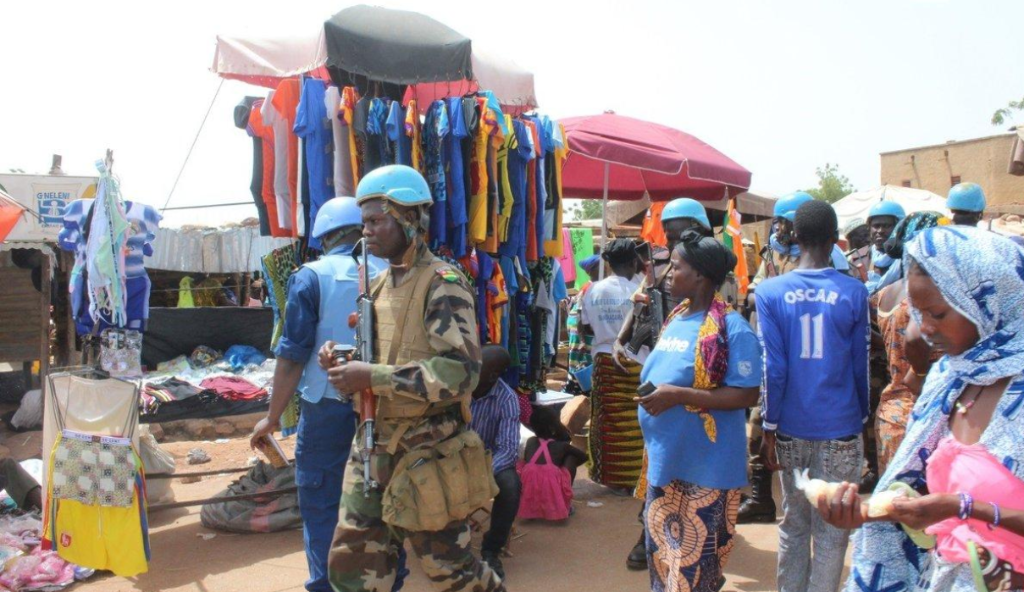
Investigators recorded multiple incidents where military drones and ground operations resulted in civilian fatalities and infrastructure damage. Key among these was an August drone strike on Tombonkore livestock market in Bandiagara, where six civilians perished and 20 others were injured. Witnesses confirmed no insurgents were present at the time of the attack, raising serious concerns about adherence to international humanitarian law.
Additional findings include the partial destruction of a medical clinic in Talahandak, Kidal region, during a military drone strike. The facility, serving civilians, housed essential medical supplies, with the attack further straining healthcare access in an already insecure zone. Under international law, medical facilities enjoy special protection unless used for military purposes.
Government-allied forces under scrutiny for civilian deaths
Further allegations implicate Malian soldiers in the killing of five young girls aged 10 to 13 on July 12 near Niono, Ségou region. Military officials claimed the girls were mistaken for attackers in a nearby ambush. While apologies were offered to families, the incident underscores failures in distinguishing combatants from civilians during operations.
Reports also cite the killing of three civilians by Dozo militia members allied with government forces in Mopti between July 27-28. The circumstances remain unclear, with calls for thorough investigations to determine responsibility.
Insurgent groups face equivalent accusations of brutality
While government forces and their allies stand accused, the report equally condemns Islamist and separatist armed groups for grave violations. On July 18 near Tabrichat, Gao region, fighters from the Group for the Support of Islam and Muslims (GSIM) and the Azawad Liberation Front (ALF) ambushed a military convoy, executing at least 19 captured soldiers. Such acts violate the fundamental principles of humane treatment of prisoners under international law.
Regional body urged to take decisive action
The crisis now demands urgent intervention from the African Union, which faces mounting criticism for its delayed response. Human rights advocates call for an emergency session of the AU Peace and Security Council to address civilian protection strategies, implement regular accountability reports, and conduct independent probes into alleged abuses by all conflict parties.
In an unprecedented move, the findings were formally communicated to Mali’s Minister of Defense on August 5. However, no response has been received, leaving victims and their families in limbo amid unanswered questions about justice.
Accountability: the only path forward
With civilians caught between military operations, insurgent reprisals, and militia violence, the need for justice has never been more urgent. The report emphasizes that sustainable peace hinges on verifiable commitments: credible investigations, transparent prosecutions, and the restoration of civilian safety across conflict zones. As Mali stands at this pivotal juncture, the actions—or inaction—of regional leaders will determine whether the tide of atrocities can finally be reversed.