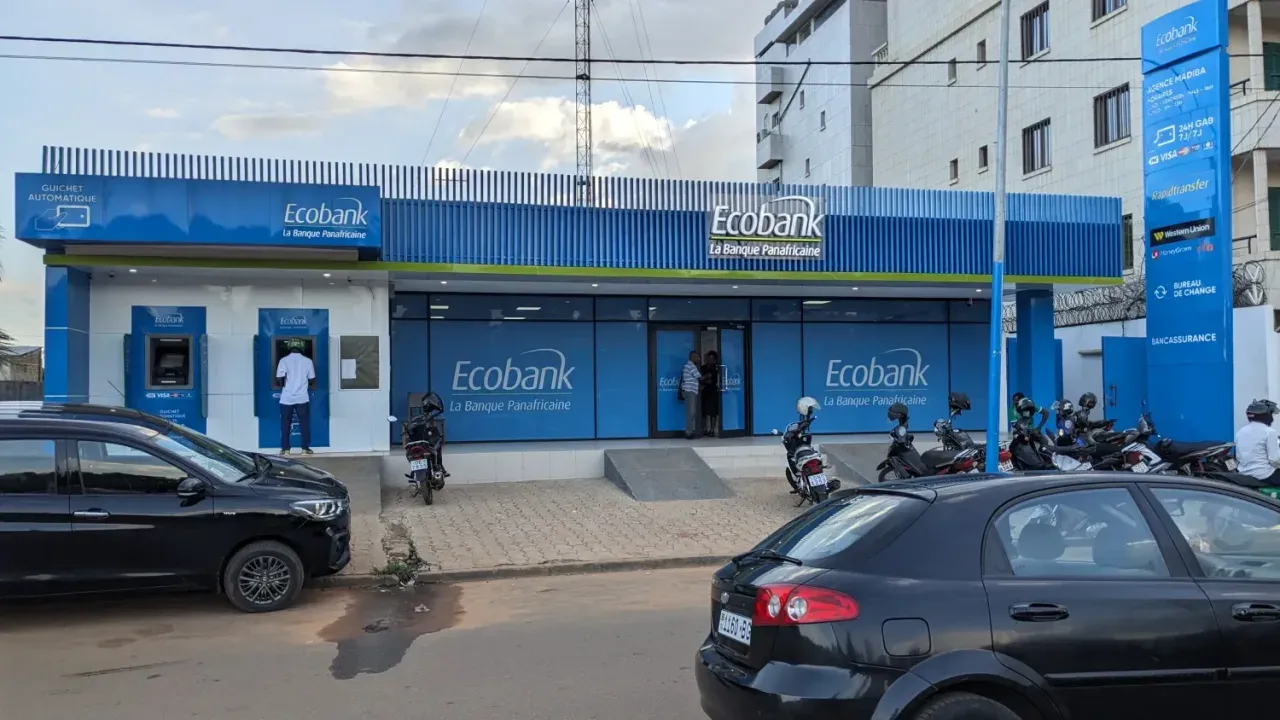
The dust is settling on Ecobank’s landmark deal with China’s Cross-Border Interbank Payment System, and the debate is heating up. With Africa-China trade now exceeding $348 billion annually, the agreement signed in Beijing is sparking urgent questions: will the yuan finally break the dollar’s grip on African-Chinese commerce, or is this just another incremental step in a much longer financial evolution?
Why the Ecobank-CIPS partnership is sparking global reactions
The protocol, inked during President Faure Gnassingbé’s state visit to China, is more than a technical upgrade—it’s a geopolitical signal. By enabling direct yuan settlements between African firms and their Chinese counterparts, Ecobank is not only simplifying cross-border transactions but also positioning the renminbi as a viable alternative to the greenback in a region where the U.S. dollar has long dominated payment flows.
Critics argue that the shift may be overstated. After all, the dollar still underpins the bulk of global trade, and many African central banks continue to hold significant reserves in dollars. Yet proponents see the move as a strategic hedge against currency volatility and U.S. monetary policy fluctuations, which have repeatedly disrupted African economies.
Breaking down the barriers: how the deal changes payments on the ground
For businesses, the benefits are immediate but uneven. Companies trading raw materials, machinery, or technology with China can now bypass layers of intermediary banks and currency conversions, reducing delays and hidden fees. The yuan route is particularly attractive for sectors like mining, agriculture, and manufacturing, where margins are tight and timing is critical.
However, adoption won’t be universal. Many African importers still rely on dollar-denominated letters of credit due to supplier preferences and established banking relationships. The transition to yuan payments will depend on how quickly Chinese exporters accept the currency and how aggressively African banks promote the new channel.
Who stands to gain the most?
- African exporters selling to China, especially in commodities like copper, cobalt, and timber, can now invoice in yuans and avoid currency risk when the dollar strengthens.
- Chinese importers sourcing from Africa may find the yuan option cheaper and more predictable than routing payments through New York or London.
- Regional banks like Ecobank gain a competitive edge by offering clients a streamlined alternative to traditional dollar-based trade finance.
Beyond the deal: Ecobank’s long game in China
Ecobank’s push into the Chinese market isn’t new. Since opening its first office in Beijing in 2012, the Lomé-based group has steadily expanded its footprint, hiring dedicated teams in West, Central, and East Africa to serve Chinese clients. The CIPS agreement is the latest chapter in a broader strategy to embed the bank—and the yuan—deeper into Africa-China trade corridors.
The bank has also partnered with institutions like Bank of China (Mauritius) and digital payment platforms such as XTransfer and WorldFirst, creating a multi-layered network that bridges African and Chinese financial systems. Yet, despite these efforts, the dollar remains entrenched. The real test will be whether African governments and businesses collectively embrace the yuan as a credible settlement currency—or if the status quo prevails.
What’s next for Africa-China trade after the Ecobank-CIPS deal?
The agreement has set the stage for a high-stakes experiment. If yuan payments gain traction, we could see a gradual rebalancing of trade finance away from New York and London toward Shanghai and Beijing. This would align with China’s broader ambitions to internationalize its currency and reduce reliance on the U.S. financial system.
But the road ahead is fraught with challenges. African central banks must decide whether to encourage yuan holdings in their reserves. Chinese banks will need to expand their correspondent banking networks across the continent. And businesses on both sides must overcome decades of habit and inertia.
The outcome will hinge on one question: will the yuan’s convenience outweigh the dollar’s dominance? For now, the debate is far from over—and the stakes couldn’t be higher for Africa’s economic future.