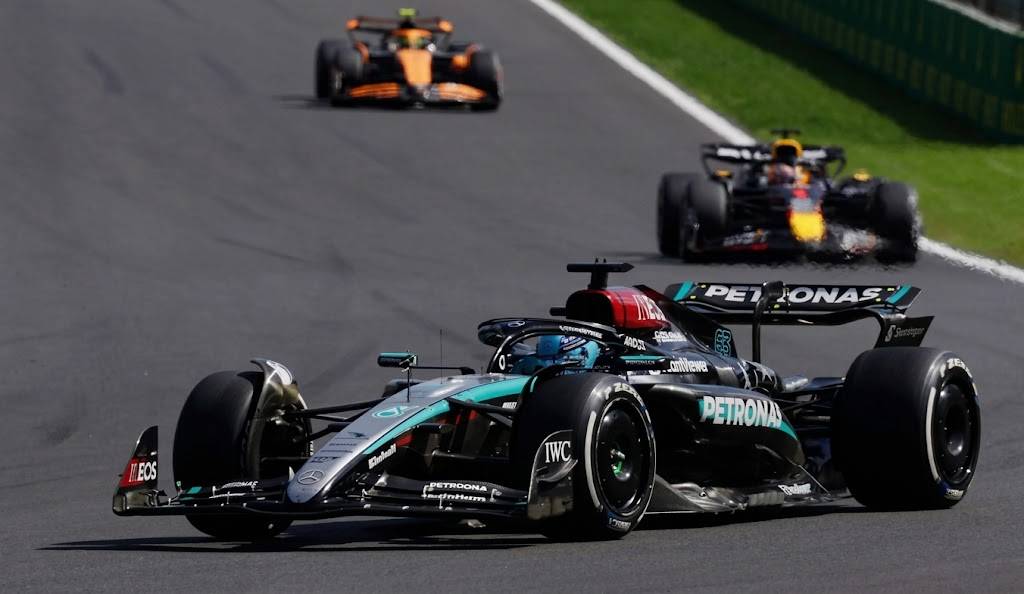
The wheels have been set in motion for Africa’s return to elite motorsport after Rwanda secured a landmark 10-year deal to host a Formula 1 Grand Prix in the early 2030s. The announcement, made in Kigali with key figures from the sport’s governing bodies, has ignited a wave of discussions about the nation’s ambitions, the feasibility of the project, and its potential consequences for the local economy and society.
Kagame hails a historic moment for Africa’s sporting future
In a joint press conference with Stefano Domenicali of Formula 1 and Mohammed Ben Sulayem of the FIA, President Paul Kagame framed the agreement as a pivotal step toward realizing Africa’s long-dormant potential in global motorsport. “This is a victory for the continent,” he stated, emphasizing the deal’s role in inspiring future sporting and economic ventures across Africa. While the optimism is palpable, sceptics question whether the race will deliver lasting benefits beyond its grand unveiling.
The Bugesera circuit: ambition meets uncertainty
The proposed circuit in Bugesera, 40 kilometres south of Kigali, is designed to blend speed with Rwanda’s natural landscapes. Spearheaded by Wurz Design—led by former Formula 1 driver Alex Wurz—and Tilke Engineers and Architects, the project aims to create a multifunctional venue capable of hosting racing events, concerts, and business conferences year-round. Yet, the timeline remains fluid, hinging on infrastructure milestones yet to be achieved.
Key concerns centre on the circuit’s compliance with Formula 1’s stringent safety and technical standards. Delays in construction or regulatory hurdles could push the inaugural race further into the 2030s, leaving organisers with a tight window to meet the expectations of a sport known for its relentless pace.
Tourism and jobs: the economic domino effect
Rwanda’s government envisions the Grand Prix as a catalyst for broader economic growth, particularly in tourism and youth employment. With the Bugesera circuit located near the under-construction Bugesera International Airport, officials anticipate a surge in visitors—spurring demand for hotels, local businesses, and vocational training programmes. The “Visit Rwanda” brand, already bolstered by high-profile events like the 2025 Road World Cycling Championships, is expected to play a pivotal role in promoting the country as a premier destination.
Yet, questions linger over the sustainability of these gains. Will the influx of spectators and investors translate into long-term job creation, or will the benefits be concentrated among a select few? Historically, mega-events have left mixed legacies, with some nations struggling to convert temporary boosts into lasting prosperity.
Beyond the racetrack: shaping a motorsport ecosystem
Formula 1’s growing fanbase in Africa—boasting over 100 million supporters—presents an opportunity to cultivate a homegrown talent pipeline. Kagame has highlighted initiatives to foster technical training, engineering roles, and entrepreneurship in the automotive sector. However, the challenge lies in ensuring these programmes align with the immediate needs of the racing industry, avoiding the pitfall of creating skills without viable local demand.
Critics argue that without deliberate policies, Rwanda risks mirroring other nations where global events fail to bridge structural economic gaps. Proponents counter that the Grand Prix could serve as a flagship project, drawing global attention to Rwanda’s broader ambitions in technology, infrastructure, and sustainable development.
What’s next? The timeline and hurdles ahead
The path to Kigali’s first Grand Prix is paved with both promise and uncertainty. While the 10-year deal provides a framework, its success depends on:
- Completion of the circuit by the late 2020s, including FIA homologation;
- Rwanda’s ability to invest in supporting infrastructure, such as road networks and accommodation;
- Balancing commercial appeal with affordability to ensure accessibility for local fans;
- Developing a clear strategy to integrate the event into Rwanda’s long-term economic vision.
As the debate intensifies, one thing is clear: Rwanda’s Formula 1 gamble is more than a sporting milestone. It is a test case for whether a nation can leverage elite sport to fuel broader transformation—or whether the hype will outpace the reality.