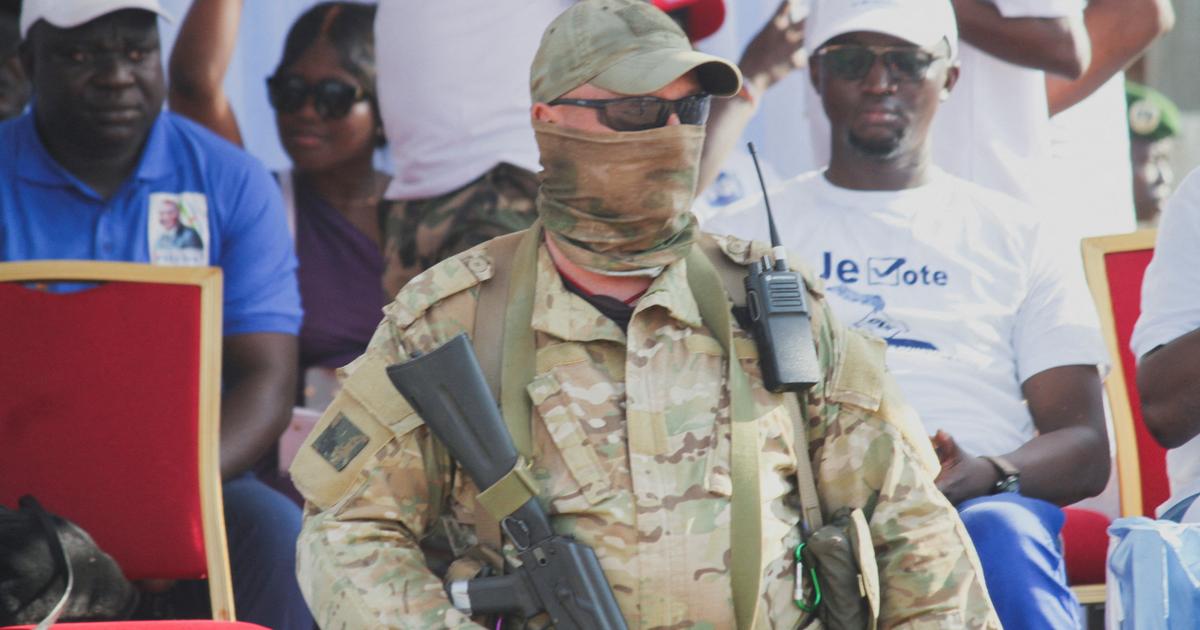
In the heart of Central Africa, a shadowy network of influence is thriving. The Russian paramilitary entity Wagner—despite significant setbacks on other African fronts—has carved out a powerful presence in the Central African Republic (CAR), leveraging the illegal tramadol trade to fuel its operations and expand its regional footprint.
Once a relatively obscure painkiller prescribed for mild conditions, tramadol has been repackaged and intensified by Wagner’s operatives into a highly potent opioid. Marketed as the “poor man’s cocaine,” this drug has become a cornerstone of the group’s revenue streams in CAR, according to insights from The Wall Street Journal.
a strategic stronghold: why the central african republic?
The Central African Republic presents an ideal environment for Wagner’s illicit ventures. With limited scrutiny from Western governments, the country is rich in untapped mineral and forestry resources, including gold, diamonds, and timber. Wagner has seized control of several gold mines, generating an estimated $180 million (€160 million) in annual profits, as reported by the Global Initiative.
Beyond mining, the group maintains tight control over state institutions, effectively embedding itself into the country’s power structures. The Center for Strategic Studies for Africa, funded by the U.S. Pentagon, notes that Wagner’s influence extends to security forces, including the elite presidential guard and the notorious “Requins” militia.
tramadol distribution: power, control, and revenue
The tramadol trade is a lucrative and multifaceted operation. Supplies are smuggled into CAR via river routes from the Democratic Republic of the Congo, then distributed across local markets. Wagner’s operatives oversee the entire supply chain, from trafficking to retail sales, often selling the drug at inflated prices to neighboring countries.
The group’s reach extends further still. Tramadol is deliberately supplied to:
- Members of the presidential guard and pro-Russian militias conducting armed patrols in Bangui,
- Gold miners working under Wagner’s command,
- Pro-government protesters and opposition targets,
- Armed combatants in counterinsurgency operations.
The stated purpose? To enhance physical endurance and combat morale among Wagner’s forces and allied factions.
Experts cited by The Wall Street Journal warn that Wagner’s tramadol network could soon extend into neighboring Sudan, facilitated by the Rapid Support Forces (RSF), which are expanding their operations in regions bordering CAR.
a resilient empire amid global pressure
Despite the death of its founder, Evgeny Prigojine, in 2023, and the rise of Russia’s official military proxy Africa Corps, Wagner has maintained a stronghold in CAR. Under the leadership of Prigojine’s son, Pavel, the group has adapted, preserving its financial and operational autonomy in a country where formal oversight remains weak.
With tramadol trafficking and mineral exploitation forming the backbone of its economy in CAR, Wagner continues to shape the region’s security landscape—raising urgent questions about governance, sovereignty, and the unchecked spread of illicit networks across Africa.