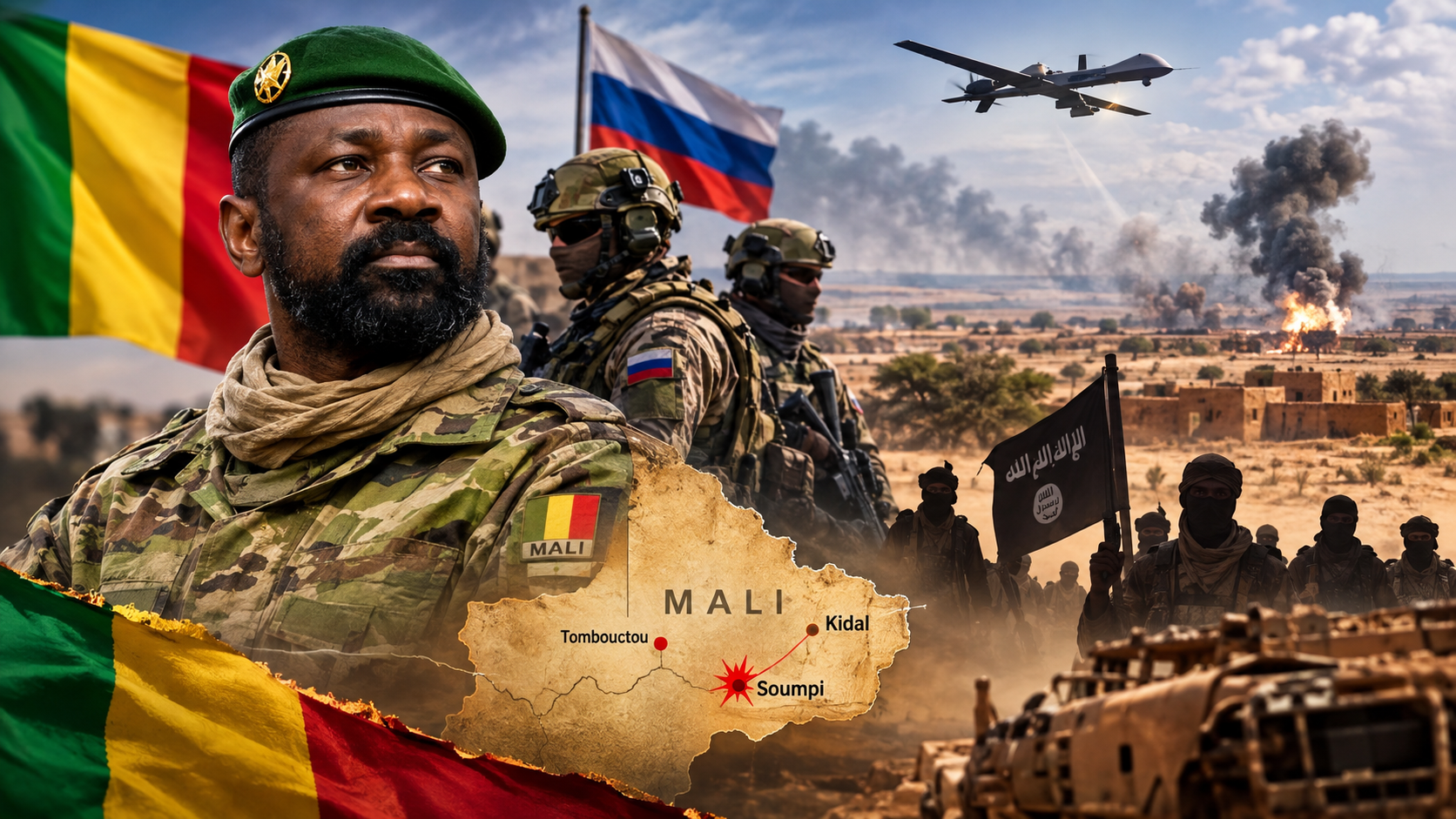
The recent drone attack on Malian and Africa Corps positions near Soumpi, in the Tombouctou region, has reignited a critical debate: can Mali achieve lasting stability by depending primarily on its military partnership with Russia? As the conflict enters its fifth year, this question looms larger than ever, prompting scrutiny over whether this strategic pivot has delivered on its promises of enhanced security and sovereignty.
Sparking a national conversation: the fallout from Soumpi
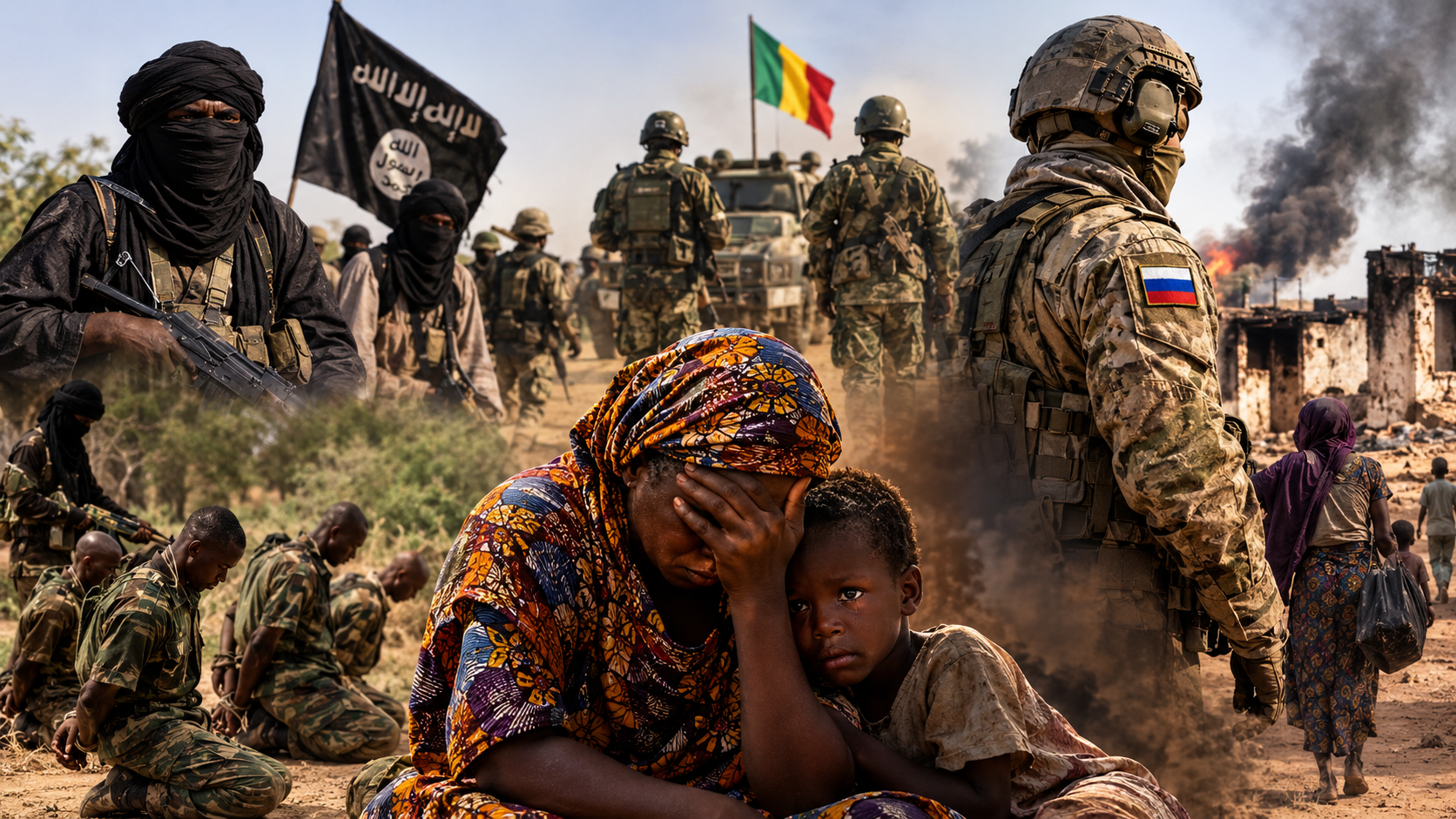
Following the October 10, 2026 attack, the international spotlight has refocused on Mali’s evolving security dynamics. While the Africa Corps and Malian forces reported minimal casualties, the incident underscored a troubling reality: despite years of cooperation with Russian military partners, the country remains vulnerable to insurgent violence. This raises a pivotal question has the shift in alliances truly bolstered Mali’s ability to counter threats, or does it merely represent a change in external support without addressing structural weaknesses?
The attack occurred just days after Malian forces, backed by Russian allies, reclaimed Kidal a symbolic victory for Bamako. However, the fragility of this progress was immediately exposed, challenging the narrative that military partnerships alone can secure the nation. The resilience of armed groups in the face of external intervention forces a reassessment of how security is framed and delivered.
Beyond rhetoric: measuring the tangible impact of military cooperation
The Assimi Goïta administration has long positioned the pivot toward Russia as a cornerstone of its security strategy, emphasizing sovereignty and reduced dependence on Western partners. Yet, the empirical results remain ambiguous. While the equipment and operational support provided by Russian entities have augmented Malian forces’ capabilities, they have not translated into a fundamental shift in the conflict’s trajectory. This discrepancy demands a closer examination of the strategy’s underlying assumptions and its alignment with Mali’s long-term needs.
The population’s expectations are clear: tangible improvements in safety, the restoration of governance, and the resumption of normal life. However, the persistent attacks and the exposed vulnerabilities of military outposts suggest a disconnect between stated objectives and on-the-ground outcomes. Can a strategy built on external partnerships alone ever achieve these goals?
Balancing power and responsibility: the limits of external support
A military partnership, no matter how robust, cannot replace a nation’s duty to fortify its own capabilities. The Malian government faces a dual challenge: leveraging external assistance while simultaneously building resilient, self-sufficient institutions. The current approach risks fostering a dangerous dependency, where security outcomes hinge on the presence and continued commitment of foreign actors.
This raises ethical and practical concerns. The costs associated with foreign military support, whether financial, political, or strategic, must be weighed against the tangible benefits delivered to civilians. A partnership that prioritizes the interests of external actors over those of the Malian people cannot be considered a sustainable solution. Transparency in contracts, accountability for expenditures, and measurable improvements in security are non-negotiable expectations.
Charting a path forward: redefining Mali’s security framework
The imperative of national capacity-building
Sovereignty is not merely a political declaration; it is the tangible ability to protect citizens and territory. For Mali, this means investing in its own institutions enhancing intelligence capabilities, training local forces, and fostering community-based security networks. Military partnerships can provide critical tools, but they cannot replace the governance structures and social cohesion required to sustain peace.
The role of economic stability in peacebuilding
Security challenges in Mali are not isolated from its economic and political realities. The interplay between resources, governance, and insurgency demands a holistic approach. While foreign military presence may offer temporary respite, it cannot address the root causes of instability, such as socioeconomic disparities or ethno-political tensions. A lasting resolution requires addressing these dimensions alongside military efforts.
Accountability and the public mandate
The Malian people deserve a security strategy that is transparent, effective, and responsive to their needs. The government’s commitment to this goal must be demonstrated through concrete actions not merely the presence of foreign allies. Each attack, each failed operation, and each unsecured community serves as a reminder of the work that remains. True sovereignty will be measured not by the rhetoric of change, but by the reality of safety for every citizen.
Conclusion: lessons from Soumpi and the road ahead
The Soumpi attack serves as a stark reminder that military partnerships, while valuable, are not a panacea. Mali stands at a crossroads, where the decisions made today will shape the country’s trajectory for years to come. The government must recalibrate its approach, prioritizing the strengthening of national institutions and the restoration of public trust. Only then can the promise of security and stability be fulfilled not as the result of external support, but as the fruit of Mali’s own resilience and resolve.
By Ramatou Soumana — Journalist