Burkina Faso emerges as Cotonou’s top transit partner despite Niger tensions
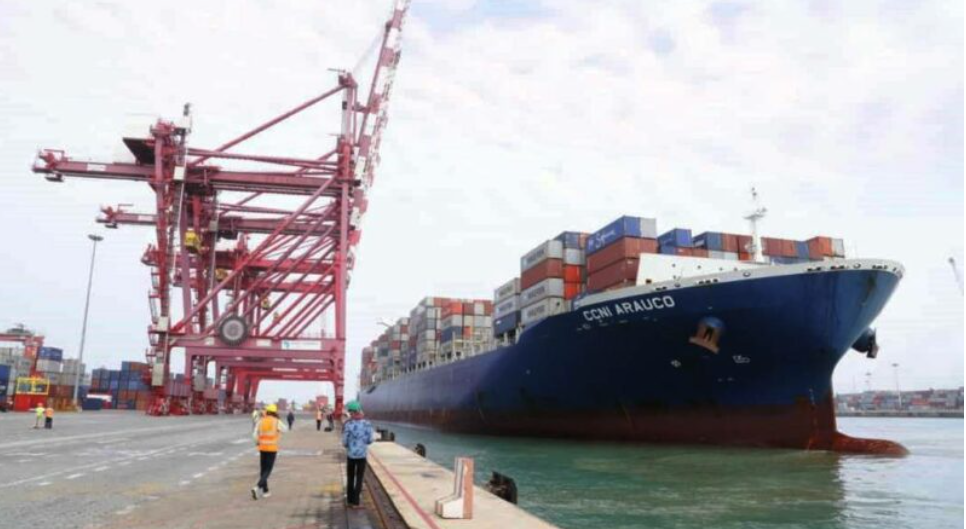
The diplomatic standoff between Benin and Niger has not weakened Cotonou port—instead, it has redirected trade flows toward fresh opportunities. In 2025, nearly one million tonnes of goods, primarily fuel, passed through the Beninese port en route to Burkina Faso. Early 2026 data shows the port’s traffic surged to 7.79 million tonnes in the first half, a 16.6% year-over-year increase, signaling a lasting shift in regional trade corridors.
From Niamey to Ouagadougou: How Crisis Drove a New Trade Route
For decades, Niger stood as Cotonou port’s largest hinterland market, with road corridors linking the port to Niamey as the backbone of regional transit. The political crisis in Niger in July 2023 and subsequent border closures disrupted this trade lifeline, forcing operators to reroute cargoes through alternative channels.
The void left by the Niger corridor was quickly filled by Burkina Faso, a landlocked neighbor with growing energy and logistics needs. Burkina Faso has long leveraged multiple maritime access points—including ports in Côte d’Ivoire, Togo, and Ghana—but the Benin route gained prominence due to its proximity and upgraded infrastructure. By 2025, 16% of Cotonou’s port traffic flowed to Burkina Faso, totaling nearly one million tonnes, with hydrocarbons dominating the cargo mix.
Fuel trade fuels Cotonou’s Burkina Faso rebound
The surge in transit to Burkina Faso is no coincidence. As a landlocked nation, Burkina Faso relies heavily on Gulf of Guinea ports for fuel imports. Cotonou’s modernized logistics chain—including efficient storage and trucking networks—has made it a preferred entry point for petroleum products heading to Ouagadougou and beyond. The scale of fuel shipments alone explains why Burkina Faso now ranks among the port’s most significant transit partners.
This shift is more than a temporary fix—it’s a strategic pivot. Cotonou is no longer just a gateway to Benin’s domestic market; it’s positioning itself as a regional redistribution hub, connecting coastal economies with landlocked neighbors. The port’s 2026 first-half performance—with a 52% year-over-year increase in total tonnage in 2025 and a 152.1% spike in transshipment—underscores this transformation.
Breaking down the 2026 traffic surge
- Total cargo: 7.79 million tonnes in the first half of 2026, up 16.6% from 2025.
- Imports: 4.12 million tonnes (0.6% increase from 2025).
- Exports: 2.87 million tonnes (33.3% increase from 2025).
- Transshipment: 516,558 tonnes (152.1% increase from 2025).
Will Burkina Faso’s rise redefine West African trade?
For Burkina Faso, the stakes couldn’t be higher. Political instability and security threats across the Sahel have made corridor diversification a necessity. While Cotonou offers proximity and a well-established road network, no single port can meet all of Burkina Faso’s needs indefinitely. The port’s digitalized truck management systems—designed to cut delays and streamline transit—give it a competitive edge, but the battle for dominance will hinge on stability and security.
Niger’s role isn’t over yet. Despite tensions, crude oil shipments from Niger continue to transit Cotonou. A one-million-barrel shipment from the Sèmè-Kpodji terminal in August 2026 proves that even strained diplomatic ties can’t sever all economic ties. The challenge for Cotonou now is to avoid over-reliance on any single hinterland market. Burkina Faso offers a promising answer, but the long-term durability of this shift remains to be seen.
What’s next for Cotonou and Burkina Faso?
The 2025 transit figures for Burkina Faso—nearly one million tonnes—mark a turning point in Cotonou’s traffic composition. While 2026 data doesn’t yet confirm whether this volume has been maintained, it’s clear the port is adapting. By reducing dependency on the Niger corridor, Cotonou is building a more resilient trade model. If Burkina Faso’s transit volumes keep rising, the Cotonou-Ouagadougou axis could cement its place as a new regional trade backbone, reshaping West Africa’s commercial landscape for years to come.