After the military takeover in November 2025, Guinea-Bissau faces a critical moment as uncertainty swirls around the December 6, 2026 election. The junta’s pledge to restore civilian rule now hangs in the balance, sparking fierce debate over whether the transition will deliver on its promises or deepen the country’s instability.
At the heart of the controversy is last year’s disputed presidential vote, which the army interrupted when both the incumbent president and opposition candidate claimed victory. With ballots reportedly destroyed and opposition figures jailed, the junta’s intervention has left a fundamental question unanswered: who truly won the election that never reached completion?
From contested vote to military rule
The crisis erupted in November 2025 after a presidential election marred by allegations of fraud. As the National Electoral Commission tallied results, outgoing president Umaro Sissoco Embaló and opposition leader Fernando Dias da Costa both declared victory. On November 25, the military stepped in, citing threats of destabilization and an alleged coup plot—but these claims remain unverified. The takeover abruptly halted the electoral process, leaving Guinea-Bissau in uncharted territory.
Transition’s fragile roadmap
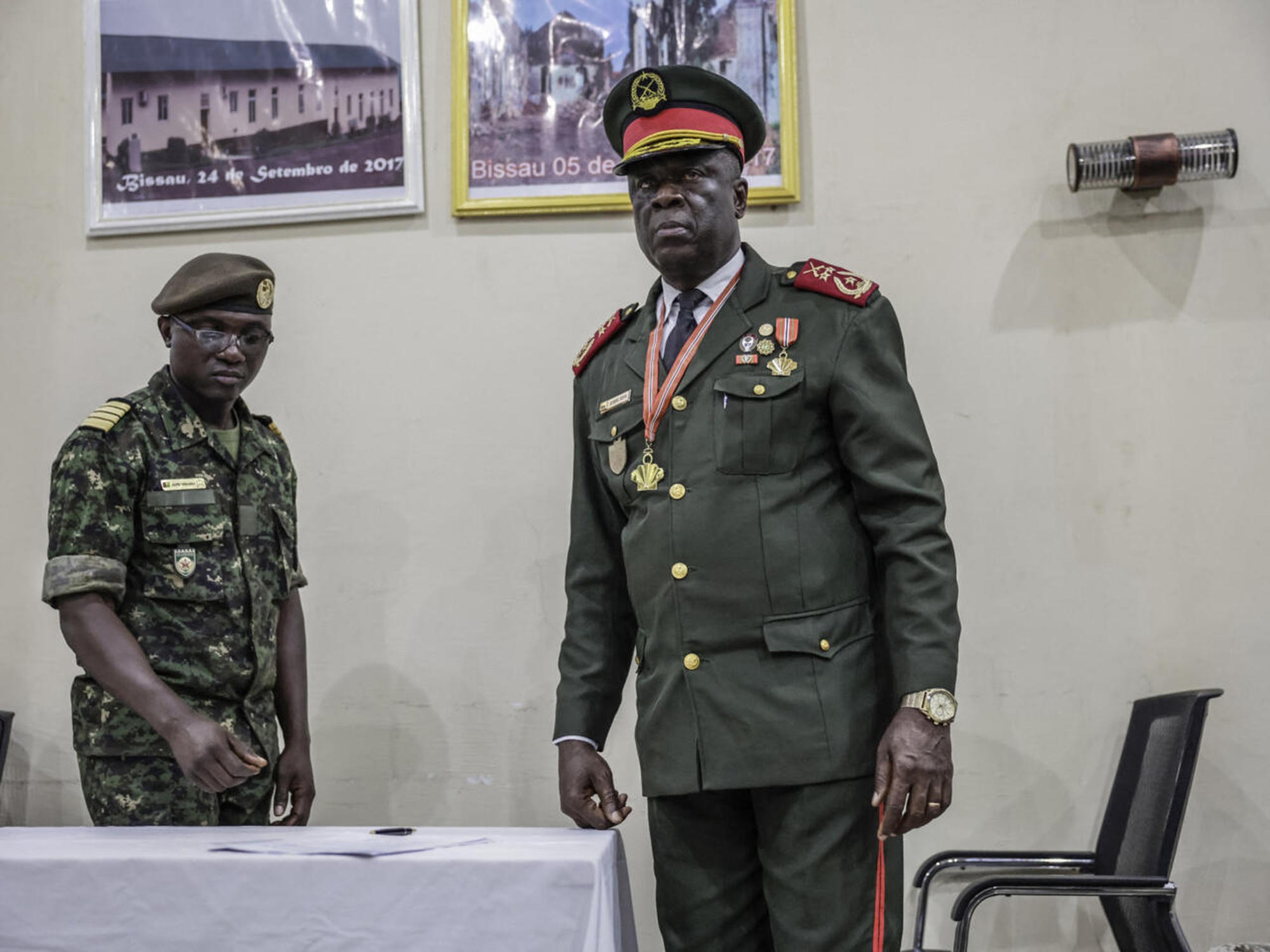
Following the coup, the junta, led by General Horta N’Tam, vowed to steer the country back to civilian governance. In January 2026, the transition government set December 6, 2026, as the date for presidential and legislative elections. A presidential decree assured the process would be credible, adding that the junta’s leader would not stand as a candidate. Yet from the start, skepticism surrounded the plan.
Opposition leaders remained imprisoned or in exile, and the transition legislature’s push to overhaul Guinea-Bissau’s Constitution raised concerns about legality. The planned reforms would shift power from a semi-presidential system to a more centralized presidential model, slash parliamentary seats from 102 to 65, and reduce districts from 29 to 12. Critics saw these changes as an attempt to strengthen the junta’s grip rather than reform the system.
The constitutional referendum in August 2026 further exposed divisions. While the government framed the changes as necessary for stability, opposition parties like the PAIGC boycotted the process, calling it a tool to legitimize military rule. The new Constitution’s adoption amid such controversy has deepened doubts about the transition’s fairness.
Election delay: a looming shadow over democracy
As December approaches, the viability of holding elections on schedule is in serious doubt. The Electoral Commission has warned that technical preparations are falling behind, while the prime minister admitted parties are unprepared. A delay could derail the transition’s central justification: restoring civilian rule.
For critics, any postponement risks extending the military’s influence over politics. Key concerns include whether opposition parties can campaign freely, whether candidates and voters will feel safe, and whether security forces will remain neutral. These questions go beyond dates— они затрагивают саму сущность переходного процесса.
Can the transition deliver credibility?
The junta’s promise to restore democracy will be judged not by words, but by actions. Essential steps include releasing imprisoned opposition leaders, allowing exile politicians to return, and ensuring unfettered media access. An election held under duress or exclusion won’t resolve Guinea-Bissau’s crisis—it may deepen it. Conversely, a transparent, inclusive process with a respected timeline could pave the way for stability.
The coming weeks will determine whether Guinea-Bissau’s transition becomes a genuine handover of power or another chapter in a cycle of broken promises.