The latest tranche of funding for Mali’s migrant reintegration program—121 million West African CFA francs allocated to 90 projects—has sparked sharp debate about transparency, selection fairness, and long-term impact. While officials have hailed the initiative as a pivotal step in transforming return migration into economic opportunity, critics warn that opaque processes and lack of accountability risk undermining genuine progress.
An official launch clouded by unanswered questions
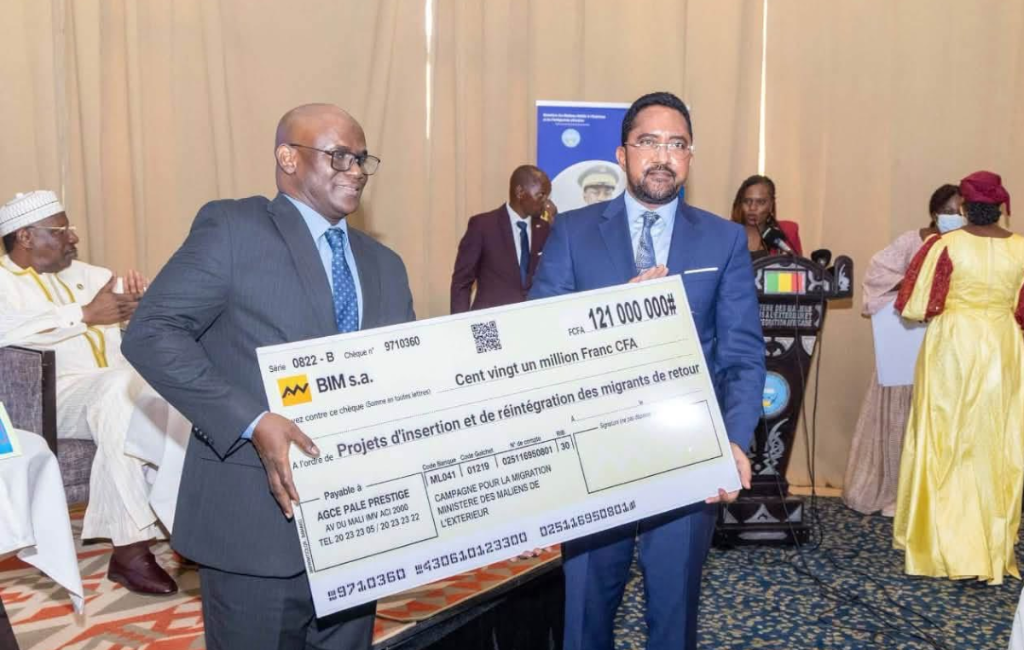
The October 12 launch event, led by Mali’s Minister of Malians Abroad and African Integration Mossa Ag Attaher, showcased large symbolic checks and echoed national pride in supporting returnees. Projects were framed across traditional sectors like livestock, market gardening, trade, and artisan services. Yet behind the polished presentation, key details remain deliberately concealed.
Who truly benefits? The veil of secrecy remains
The identities of the 90 recipients have not been disclosed, nor have the exact amounts disbursed to each project. With only 90 out of 206 applications approved, many involved in the process express concern over potential favoritism or the influence of personal networks in selection. Without published criteria or an official explanation of the vetting process, public trust continues to erode in a system meant to restore dignity to returning citizens.
From paperwork to real-world outcomes: where is the proof?
Minister Ag Attaher has repeatedly emphasized “territorial monitoring” to ensure the sustainability of funded ventures. However, no public evaluations from previous funding rounds have been released. How many of the 75 projects supported in 2025 or the 40 backed in 2024 are still operational today? Are they generating stable income or creating jobs as promised? Without independent audits or measurable results, the initiative risks remaining a series of one-off gestures rather than a viable pathway toward reintegration.
A drop in the ocean of need
Considering that the EU-funded MPRR-SSA program alone has facilitated the return of over 27,800 Malians and supported more than 14,000 reintegration initiatives since 2022, the 90 projects backed by this latest 121 million FCFA allocation represent a fraction of the total need. Public statements may frame the effort as “concrete action,” yet the scale falls far short of addressing the systemic challenges faced by returned migrants in Gao, Tombouctou, Kita, Nioro, and Bamako.
Beyond the rhetoric: where does the money really come from?
The funding is drawn from Mali’s Special Investment Budget, a mechanism now stretched thin amid growing fiscal constraints. Questions persist about the source of these 121 million FCFA and whether their allocation may divert resources from other critical areas. There is also ambiguity over whether recipients are recent returnees or individuals who have been back for years, raising concerns about exclusion or duplication in support systems.
Equally unclear is how this national program interfaces with ongoing reintegration efforts led by the International Organization for Migration (IOM) and other technical partners. Are these initiatives complementary, or do they risk overlapping services, leaving some returnees stranded between programs?
The path forward: transparency as the first step
The stated goal—to help returning migrants rebuild sustainable livelihoods after often harrowing migration experiences—is both noble and necessary. Yet without full disclosure of beneficiary names, transparent selection criteria, and comprehensive impact reports from past funding cycles, this policy risks becoming little more than a symbolic gesture in a far larger crisis. In a sector as sensitive as migrant reintegration, clarity is not optional—it is essential.
Until the full list of recipients, the selection process, and credible performance data are made public, skepticism will remain—and in matters of public trust, skepticism is never benign.