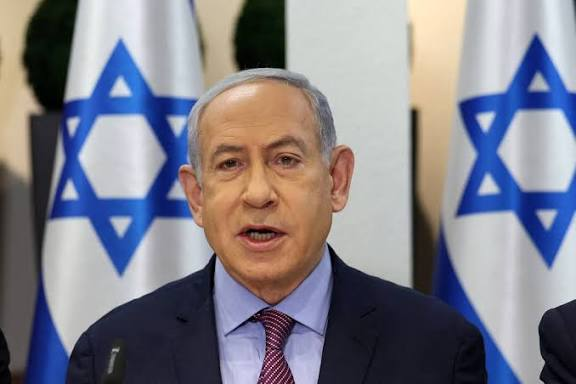
Israel stands at a defining moment in its political history. The recent legislative elections have delivered a seismic shift, stripping Prime Minister Benjamin Netanyahu’s governing coalition of its long-held parliamentary majority and plunging the nation into uncharted institutional territory. The outcome signals not just a change in power dynamics but a fundamental realignment of Israel’s democratic landscape.
From dominance to deadlock: the electoral verdict
The final tallies confirmed what early projections had hinted at: the once-unstoppable alliance of the Likud and its ultranationalist and religious partners fell short of securing the 61-seat threshold needed to govern independently. This loss of majority represents more than a statistical setback—it marks the end of an era of unchallenged right-wing rule and sets the stage for a prolonged period of political instability.
The opposition, led by centrist figures such as Gadi Eisenkot and Yair Lapid, capitalized on voter discontent and mobilized a diverse coalition spanning ideological lines. Meanwhile, Arab-Israeli political parties achieved record representation, further eroding the once-secure foundation of Netanyahu’s electoral base. The resurgence of Arab political engagement has redefined coalition arithmetic, eliminating the margin Netanyahu once relied on to maintain control.
Election integrity under fire: the aftermath of disputed results
In the wake of defeat, Prime Minister Netanyahu wasted no time in challenging the legitimacy of the vote. He alleged irregularities in vote counting, specifically targeting polling stations with high Arab turnout, and went so far as to question the integrity of tens of thousands of ballots. Such claims, though swiftly dismissed by election monitors, have deepened political divisions and fueled accusations of democratic subversion.
Opposition leaders were swift to respond, framing Netanyahu’s reaction as a direct assault on democratic norms. “When the will of the people contradicts his ambitions, he resorts to undermining the very institutions meant to protect them,” declared a senior opposition lawmaker. The escalating rhetoric reflects a growing belief that Netanyahu’s efforts to invalidate the results are not merely political posturing but an attempt to delay or derail the transition of power.
A nation suspended: the road ahead hangs in the balance
The Central Election Commission, after thorough review, reaffirmed the election’s fairness and rejected claims of widespread fraud. Yet the absence of a clear majority has left Israel in a precarious position. Two divergent paths now lie ahead: protracted coalition negotiations that could yield a fragile and short-lived government, or the unthinkable prospect of another snap election in a country already weary from years of political turmoil. With tensions running high and public trust in institutions eroding, the coming weeks will be pivotal in determining whether Israel can navigate its way out of crisis—or whether it will plunge deeper into paralysis.