The hydroelectric-manganese gambit: Gabon’s industrial reckoning
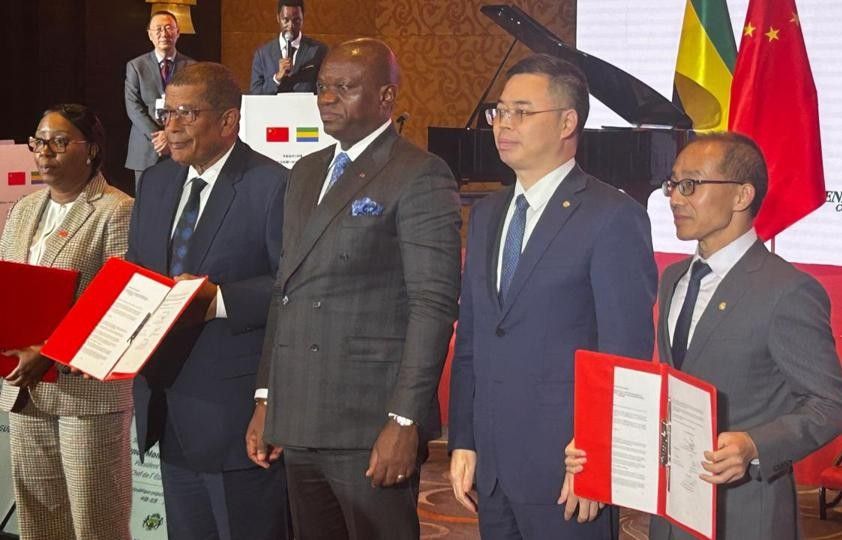
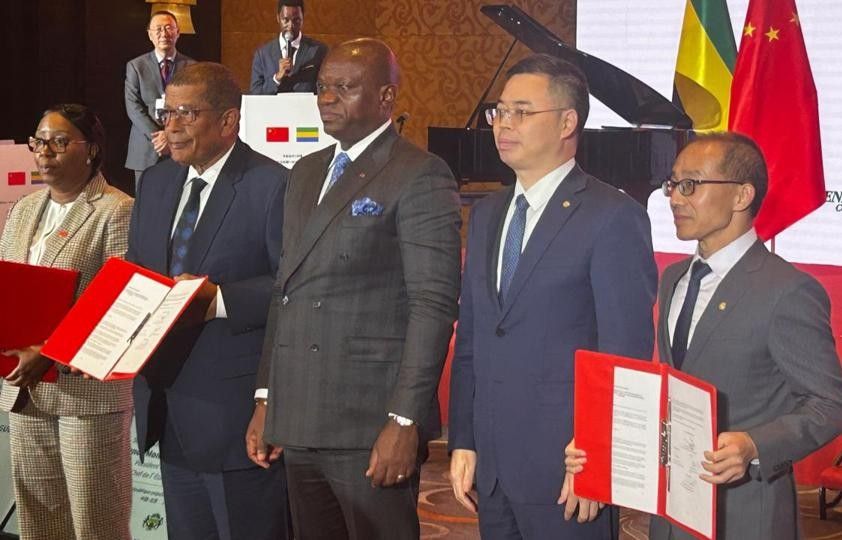
Libreville, November 6, 2026 – A landmark trilateral agreement signed in Beijing has thrown Gabon’s manganese industry into the spotlight, sparking intense debate about the country’s future as a raw material exporter versus an industrialized economy. The deal—between the Gabonese government, Eramet-Comilog, and China’s Sinohydro—centers on evaluating hydroelectric solutions to power a planned manganese alloy plant, thrusting the nation’s industrial ambitions into the public sphere.
The agreement arrives amid growing pressure on Gabon to move beyond extraction and capture greater value from its mineral wealth. While the country possesses abundant manganese reserves, transforming this resource into higher-value alloys requires reliable, cost-competitive electricity—a critical but often overlooked bottleneck in industrialization efforts.
From underground wealth to industrial might
For decades, Gabon’s manganese has been mined and shipped abroad with minimal local processing. The new initiative seeks to reverse this trend by establishing domestic smelting and alloy production facilities. However, experts warn that without a robust energy infrastructure, these ambitions could stall before gaining traction.
The letter of intent signed in Beijing explicitly addresses this challenge, tasking Sinohydro with exploring hydroelectric projects—potentially including the Ngoulmendjim dam—to supply the future alloy plant. While the agreement signals progress, it remains preliminary. Final decisions hinge on feasibility studies, investment models, and long-term power purchase agreements.
Decentralizing energy for industrial growth
Hydroelectric power is central to the strategy, as manganese alloy production demands massive, consistent electricity inputs. The Ngoulmendjim site emerges as a prime candidate, but analysts caution that scaling up output must align with industrial timelines. A delayed energy project could derail plans to commission a manganese oxide plant by late 2028 or meet the 700,000-ton annual processing target by 2031.
The ripple effect: jobs, skills, and economic diversification
The stakes extend far beyond Eramet-Comilog’s balance sheets. Government projections anticipate a 10.35-million-ton manganese output by 2027—a near doubling from previous years—paired with a projected 45% price surge. Yet, volume alone won’t drive transformation. The real win lies in nurturing local expertise, stimulating ancillary industries, and creating high-skilled jobs.
Critics argue that past initiatives faltered due to a lack of integrated planning. This time, the Gabonese government insists on synchronizing mining, energy, and industrial policies. A misstep could leave the country with either surplus energy devoid of users or underpowered factories vulnerable to global competition.
Public debate intensifies over sovereignty and scalability
The tripartite partnership—with Gabon providing resources and political will, Eramet-Comilog offering metallurgical expertise, and Sinohydro supplying infrastructure—has drawn both praise and skepticism. Advocates hail it as a model for leveraging foreign partnerships while retaining value; skeptics question whether such deals will translate into tangible benefits for Gabonese workers and businesses.
Key questions remain unanswered: Will the energy infrastructure be built in time? Will local suppliers be prioritized? And perhaps most critically, will the alloy plant’s output generate enough revenue to justify the investment?
What’s next for Gabon’s manganese revolution?
The coming months will be pivotal. A joint steering committee comprising government officials, Eramet-Comilog executives, and Sinohydro representatives must finalize feasibility studies, secure financing, and align timelines. Success demands more than political will—it requires engineering precision, market savvy, and a commitment to long-term industrial sovereignty.
The Gabonese populace watches closely. For many, this initiative symbolizes a turning point: Will the country’s mineral wealth fuel industrial jobs and technological progress, or will it continue to enrich foreign firms while Gabon reaps limited rewards? The answer could redefine Gabon’s economic narrative for decades to come.