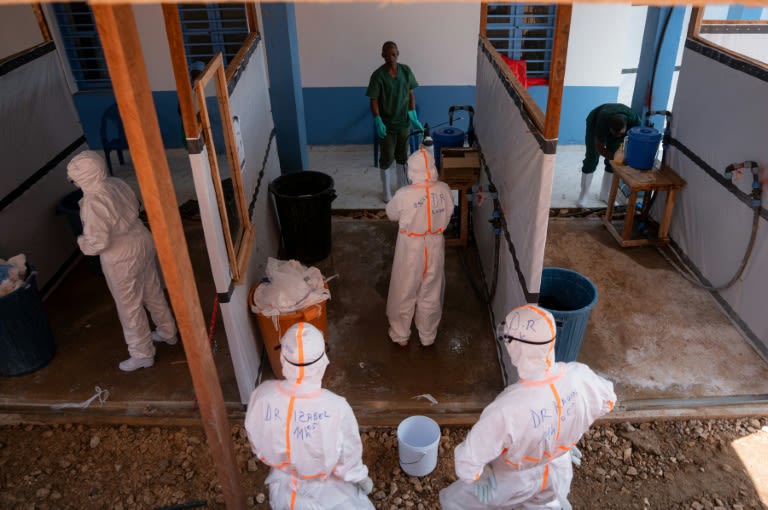
Global health leaders demand Congo pay Ebola frontline workers
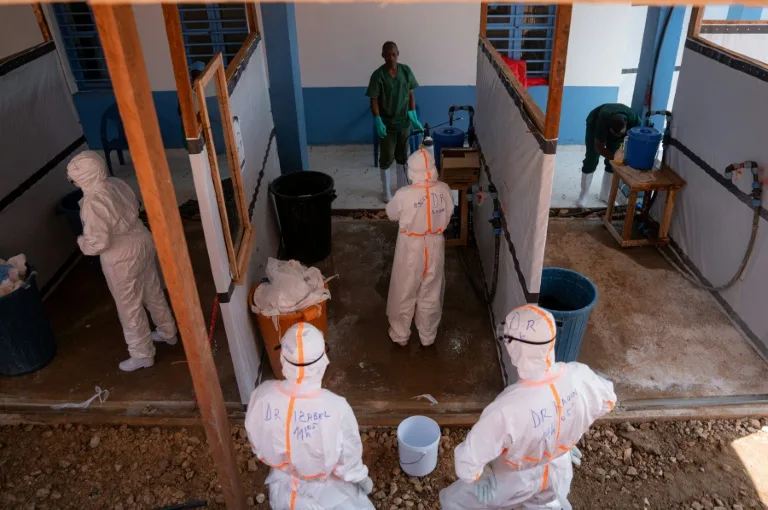
The International Council of Nurses (ICN) has urgently called on Congolese authorities to compensate healthcare workers battling the Ebola outbreak in the Democratic Republic of Congo. In a statement released Friday, the global nursing body highlighted the critical need to remunerate frontline medical staff who continue to risk their lives despite unpaid wages stretching back months.
The DRC declared its 17th Ebola outbreak on May 15, yet three months into the crisis, the response remains hampered by severe resource shortages in the country’s already underfunded health system. Howard Catton, ICN’s Chief Executive Officer, emphasized the impossibility of controlling the epidemic without fair compensation for those leading the fight.
“We cannot combat Ebola effectively if those on the front lines are not paid,” Catton stated in the organization’s official statement. The ICN represents over 140 national nursing associations and more than 30 million nurses worldwide. “Healthcare workers are putting their lives on the line to protect communities, often at great personal cost, yet many have waited months without receiving their salaries.”
The ICN, founded in 1899 and headquartered in Geneva, has formally written to Congo’s Health Minister Roger Kamba, demanding immediate action to address the crisis. Frontline nurses and medical professionals report unpaid wages for two to three consecutive months, leaving them without financial stability as they risk infection in high-risk environments.
“This situation demands urgent political leadership and direct intervention,” Catton warned. “Our demands are clear: pay healthcare workers what they are owed, ensure regular payments moving forward, and provide the protective equipment and support they desperately need.”
Beyond immediate wage disbursements and hazard allowances, the ICN is urging authorities to commit to consistent salary payments, supply adequate personal protective equipment (PPE), provide medical insurance, and implement other essential safeguards for health personnel.
Ebola’s relentless spread in Congo
Congo’s health ministry confirmed over 4,500 confirmed cases and more than 2,100 deaths since the outbreak began—just three months ago. These figures already surpass the toll recorded during the initial three months of Africa’s deadliest Ebola outbreak, which struck West Africa between 2014 and 2016.
The World Health Organization’s Director-General, Dr. Tedros Adhanom Ghebreyesus, described the current epidemic as “the second-largest Ebola outbreak ever recorded”, warning that it is spreading faster than any previous flare-up. He added that, at the current rate, it could soon overtake the West African epidemic in both cases and fatalities.
According to the Africa Centres for Disease Control and Prevention, only half of the $518 million required for the joint preparedness and response plan launched in early June has been mobilized so far. The plan, developed in partnership with the WHO, remains critically underfunded, exacerbating the challenges faced by exhausted healthcare teams.
No vaccines yet for the Bundibugyo strain
Currently, no specific vaccine or treatment exists for the Bundibugyo Ebola virus strain driving the current outbreak. In response, the WHO is advocating for the rapid deployment of an approved vaccine, Ervebo, originally developed for the Zaire strain, through clinical trials in Congo.
“We are in the final stages of submitting the trial protocol for regulatory review by Congolese authorities,” said Dr. Vasee Moorthy, Head of the WHO’s Research & Development program. The initiative aims to accelerate access to potentially life-saving interventions amid the escalating crisis.
Related Posts
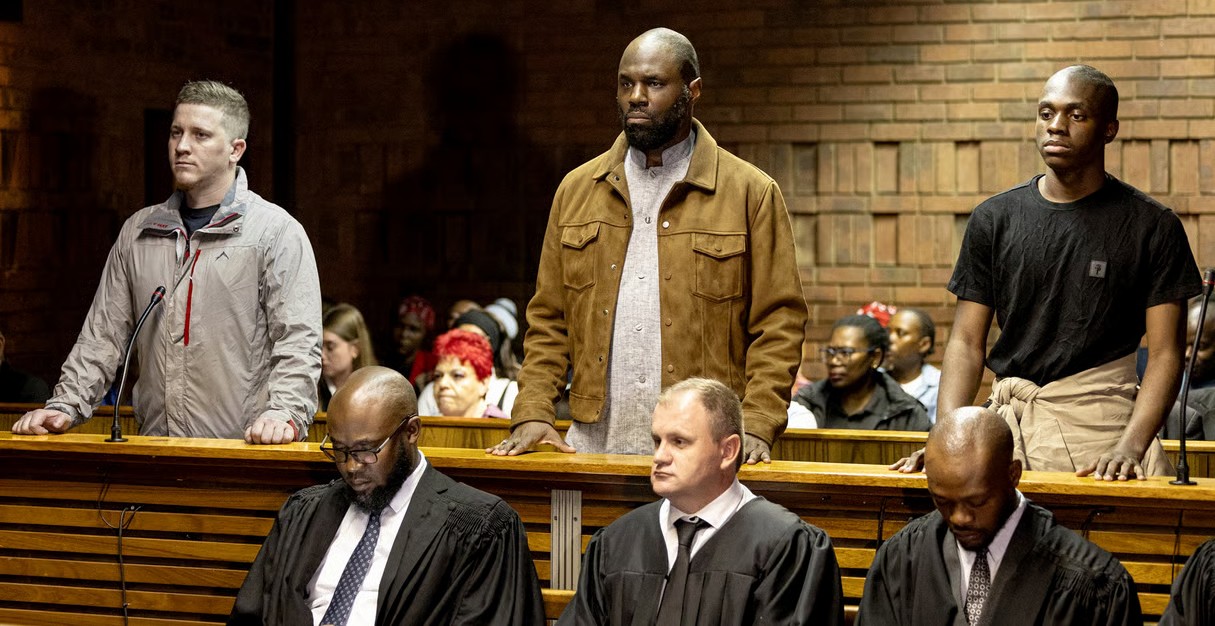
Kémi séba’s detention: a political ‘cabal’ or a web of controversial alliances?
Currently held in Pretoria following an alleged immigration infraction, the prominent pan-Africanist figure Kémi Séba has vociferously denounced his detention as political persecution. However, beneath […]
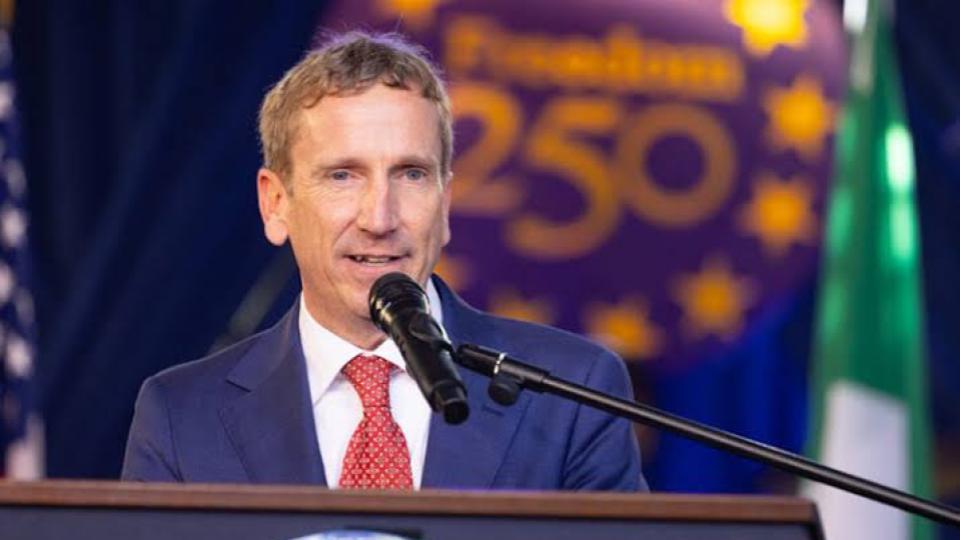
Us nominates veteran diplomat keith heffern as Gabon ambassador
Washington turns diplomatic focus to Libreville with heffern’s nomination A significant reshuffle in U.S. diplomatic representation across Africa is underway, with Keith Heffern slated to […]
UN committee exposes human rights violations against Fulani in Burkina Faso
Burkina Faso faces UN condemnation over Fulani rights abuses In Burkina Faso, the Fulani ethnic group is enduring severe human rights violations, according to findings […]