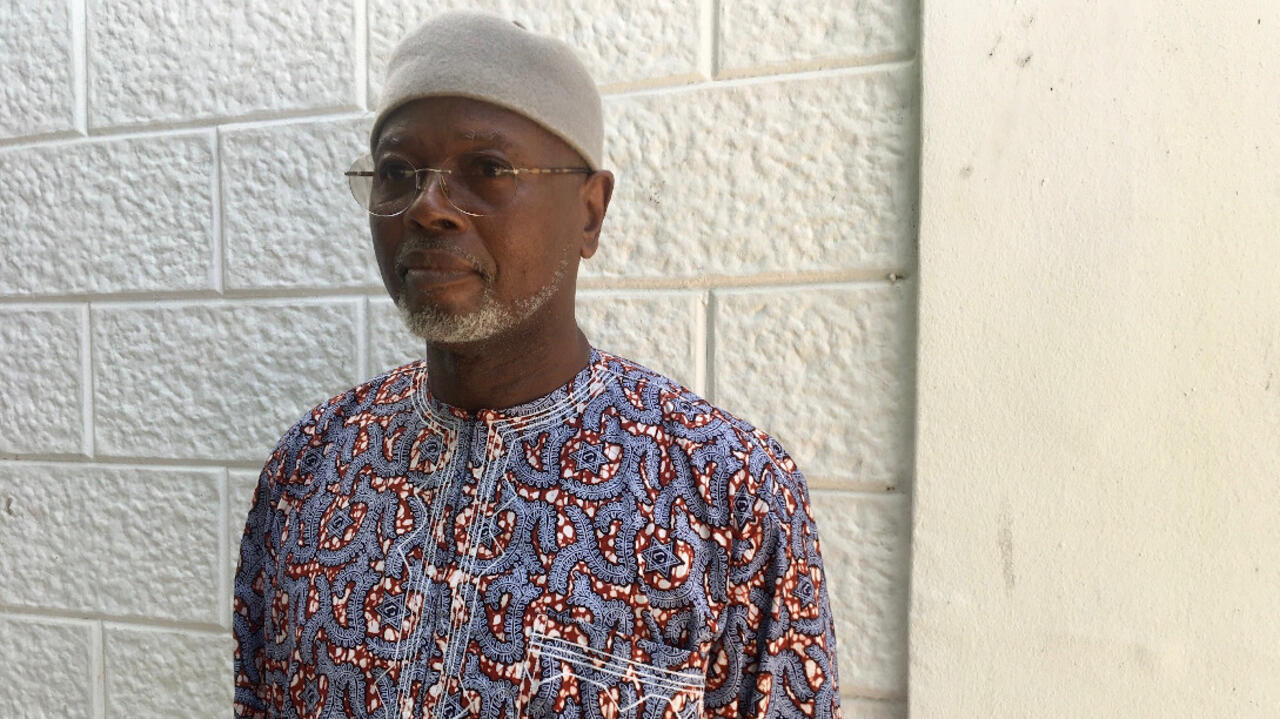
The disappearance of prominent Nigerien journalist Moussa Kaka since August 31 has become a flashpoint in Africa, with regional leaders and press freedom advocates warning that the lack of international response is sending a dangerous message about the erosion of democratic norms on the continent.
The fallout: a continent divided over press freedom violations
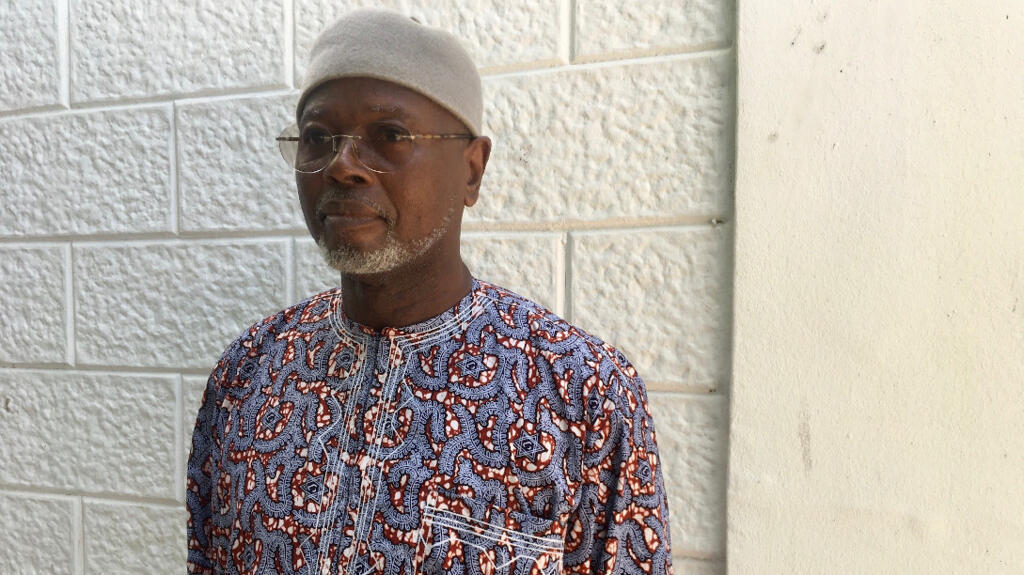
As the days stretch into weeks with no explanation for Moussa Kaka’s whereabouts or the circumstances surrounding his detention, critics are pointing to an alarming pattern of silence from both African and global institutions. Senegalese human rights expert Alioune Tine—former UN advisor and founder of the Afrikajom Center—has sharply condemned what he describes as a “catastrophic lack of accountability” in the Nigerien government’s handling of the case.
Calls for urgent African-led accountability
Tine’s sharp critique underscores a growing frustration across the continent: the case of Moussa Kaka is not just about one journalist’s disappearance—it’s a litmus test for the region’s commitment to free expression and multiparty democracy. “There is absolutely no justification for his arrest,” Tine emphasized, urging African civil society, governments, and international bodies to treat this as a priority issue.
International pressure mounting, but too late?
While global attention remains fixated on other crises, the muted response to Kaka’s case has raised concerns that Africa’s press freedom crisis is being overlooked on the world stage. Activists argue that the lack of immediate international condemnation could embolden governments across the Sahel to escalate violations against journalists without fear of consequences.
A timeline of uncertainty: what we know so far
- August 31: Moussa Kaka disappears after reporting on regional security dynamics.
- September: Local media report his detention by security forces, but no official charges are filed.
- October: International organizations express concern, but concrete action remains elusive.
The stakes: why this case matters beyond Niger
The implications of Moussa Kaka’s disappearance extend far beyond Niamey’s borders. Analysts warn that unchecked repression of journalists in Niger risks destabilizing the entire region, particularly as Sahel nations grapple with political transitions and rising insecurity. The case has reignited debates on the role of panafrican journalism in holding governments accountable and protecting civic space across the continent.
Press freedom under siege in the Sahel
Niger has seen a sharp decline in press freedom rankings over the past year, with at least four journalists detained in unclear circumstances. Experts warn that failure to secure Kaka’s release and address the root causes of his detention could signal a dangerous normalization of media censorship in the region. “This is not just about Moussa Kaka,” said one West African journalist on condition of anonymity. “It’s about the future of journalism itself in Africa.”
Where the debate stands now
The African Union and regional blocs like ECOWAS have yet to issue unified statements condemning Kaka’s detention. Meanwhile, civil society organizations are organizing urgent interventions, including petitions and awareness campaigns, to pressure leaders into action. The question remains: will the fallout from this case finally galvanize a coordinated response, or will Niger—and the Sahel—plunge deeper into a climate of impunity?
The road ahead: paths to resolution
- Transparency: The Nigerien government must provide clear information on Kaka’s legal status and location.
- Regional solidarity: African institutions need to prioritize this case in their advocacy for press freedom.
- Global solidarity: International bodies must move beyond statements and impose tangible consequences for violations.
What’s next for panafrican journalism
As the crisis in Niger unfolds, the outcome of Moussa Kaka’s case will set a precedent for how Africa responds to attacks on press freedom. Will the continent’s leaders act to protect journalists, or will silence continue to define the region’s democratic decline? One thing is certain: the world is watching, and the stakes have never been higher.