Laurent Gbagbo reshuffles PPA-CI leadership into collective structure
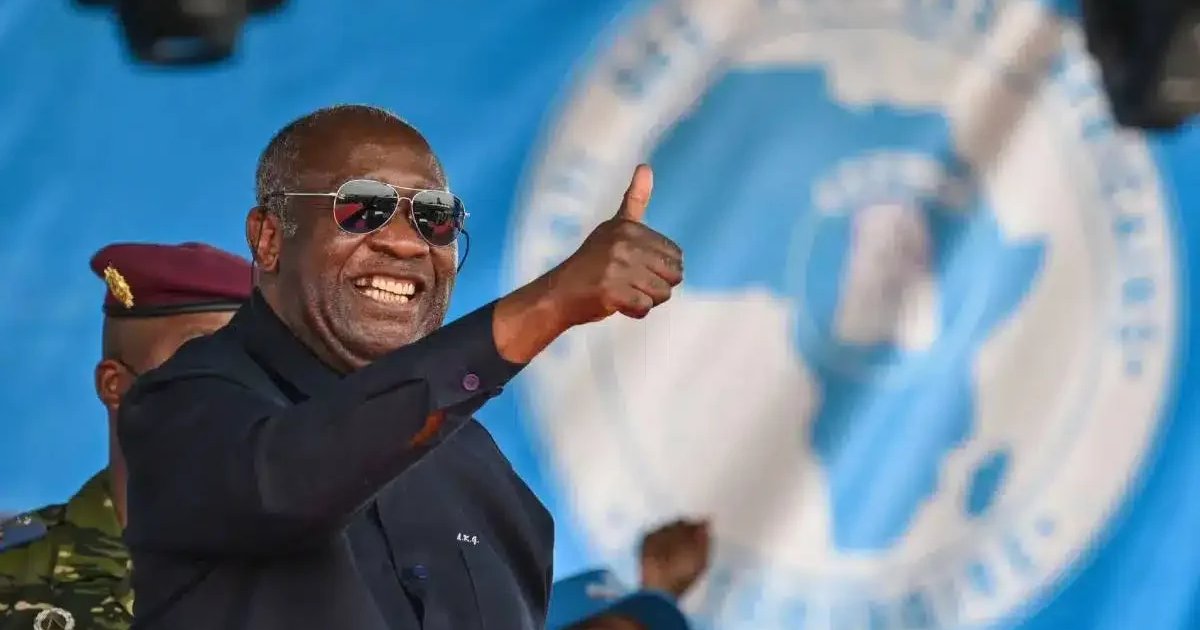
Five senior officials have been appointed to key positions within Côte d’Ivoire’s Parti des Peuples Africains-Côte d’Ivoire (PPA-CI), a strategic move announced by former president Laurent Gbagbo in early August. The restructuring aims to decentralize decision-making while keeping the party’s founder at the helm of its strategic direction.
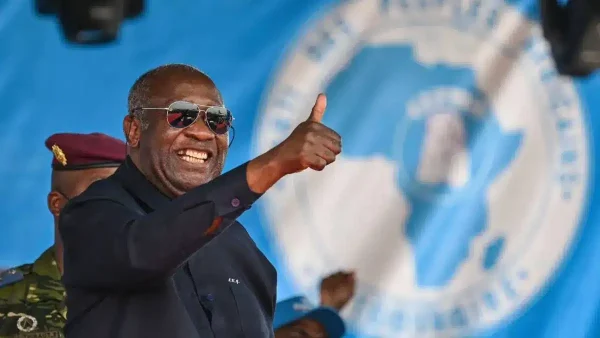
Key appointments reinforce collaborative governance
The reshuffle introduces a shared leadership model, replacing a previously centralized structure. Assoa Adou has been designated as first vice-president, tasked with ensuring strict adherence to the party’s political doctrine. Hubert Oulaye, named second vice-president, will oversee internal party operations and chair central committee meetings.
Emmanuel Ackah, a former ambassador, assumes the role of third vice-president, focusing on party mobilization and grassroots engagement. Justin Katinan Koné retains his position as head of the party’s general policy, while Sébastien Dano Djédjé takes charge of the newly created Strategic and Political Council, designed to coordinate high-level initiatives.
Centralized leadership remains intact
Despite the introduction of a collegial direction, observers note that the reform does not dilute Gbagbo’s influence. The collective structure is framed as a tool for smoother operational management, with the former president retaining ultimate authority over strategic decisions. Political analyst Abdourahmane Barry emphasizes that the new appointments are geared toward day-to-day governance rather than altering the power hierarchy.
The reorganization follows Gbagbo’s re-election as PPA-CI president in May 2026, a move aimed at consolidating the party’s leadership amid evolving political dynamics in Côte d’Ivoire. While details on coordination mechanisms between the new leaders remain undisclosed, the restructuring signals a shift toward a more institutionalized approach to party management.