Cameroon’s president biya missing for two months amid mounting concerns
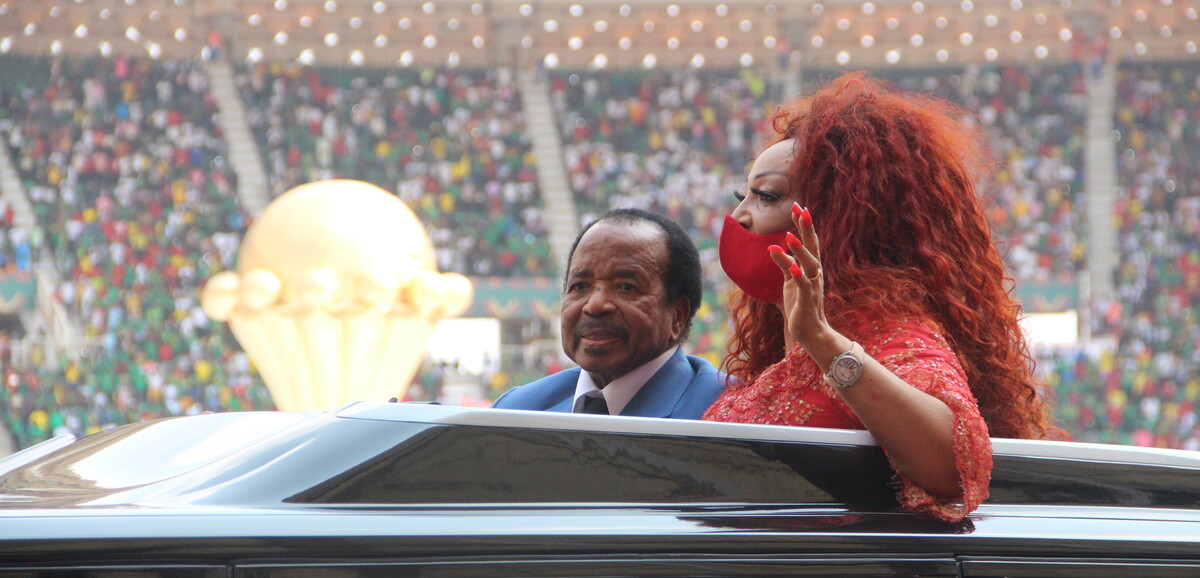
The absence of Cameroon’s head of state, Paul Biya, since June 7, has sparked widespread speculation about his health and the future of leadership in the country. Recent military reshuffles at critical posts have deepened these concerns, with observers questioning whether these moves signal a strategic shift ahead of a potential transition.
Military reshuffles raise eyebrows
On August 3, several high-ranking military officers received promotions to key positions within Cameroon’s defense hierarchy. Among them, General Raymond Jean Charles Beko’o Abondo was appointed head of the presidential guard—a role previously reserved for senior officers. These changes coincide with Paul Biya’s prolonged absence from the country, prompting analysts to question their timing.
Jean-Bruno Tagne, a journalist and co-director of the Naja web-TV, suggests these moves may reflect an effort to tighten security around the government. “There has been no official explanation, but many view these appointments as part of preparations for a potential transition in power,” he notes. “Some believe this is a security lockdown in anticipation of the vice-president’s appointment, as outlined in the recently amended Constitution.”
The vice-president debate fuels tensions
The constitutional reform introduced the position of vice-president, tasked with assuming the presidency in the event of a vacancy and completing the term. This development has drawn criticism, with Tagne highlighting concerns about leadership legitimacy. “If this happens, Cameroonians would be governed by a president who was never directly elected by them,” he warns. He theorizes that the government may be reinforcing its security apparatus before naming the vice-president to preempt potential unrest. “Aware of public skepticism toward the vice-presidency, authorities might be securing the system before making this appointment.”
A two-month absence fuels rumors
Paul Biya, now 93, left Cameroon on June 7 for what officials described as a “brief private visit to Europe.” Since then, no updates have been provided regarding his whereabouts or health status, intensifying speculation. “This absence raises serious questions,” Tagne remarks. “At his age, people are asking whether he remains in good health, where he is, or even if he is still alive.”
Government officials, however, insist there has been no deterioration in the president’s health and assure the public of his imminent return.
Analysts weigh in on Biya’s condition
Tagne, when asked for his personal assessment, shares a candid perspective. “I believe President Biya’s health is fragile. Reports suggest he underwent surgery and is currently in rehabilitation.” He emphasizes the lack of legal clarity governing presidential absences abroad, noting that no law limits how long a president may stay overseas. “The Constitution does not specify a maximum duration for overseas stays, leaving room for prolonged absences without institutional consequences.”
For Tagne, this highlights a critical flaw in Cameroon’s governance system. “This ambiguity leaves Cameroonians uncertain about the president’s exact situation, undermining trust in the state.”
As Biya’s absence drags on and security restructuring continues, debates over Cameroon’s political future show no signs of abating.