Mali sees surge in displaced persons amid renewed northern violence
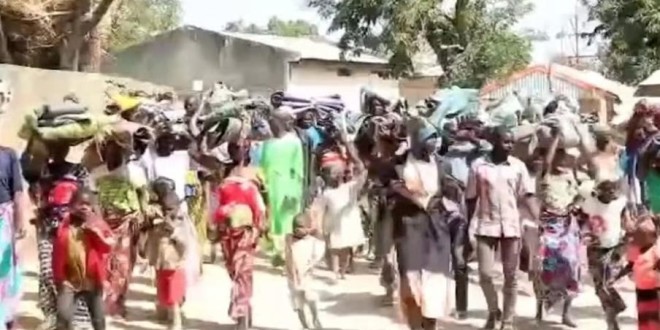
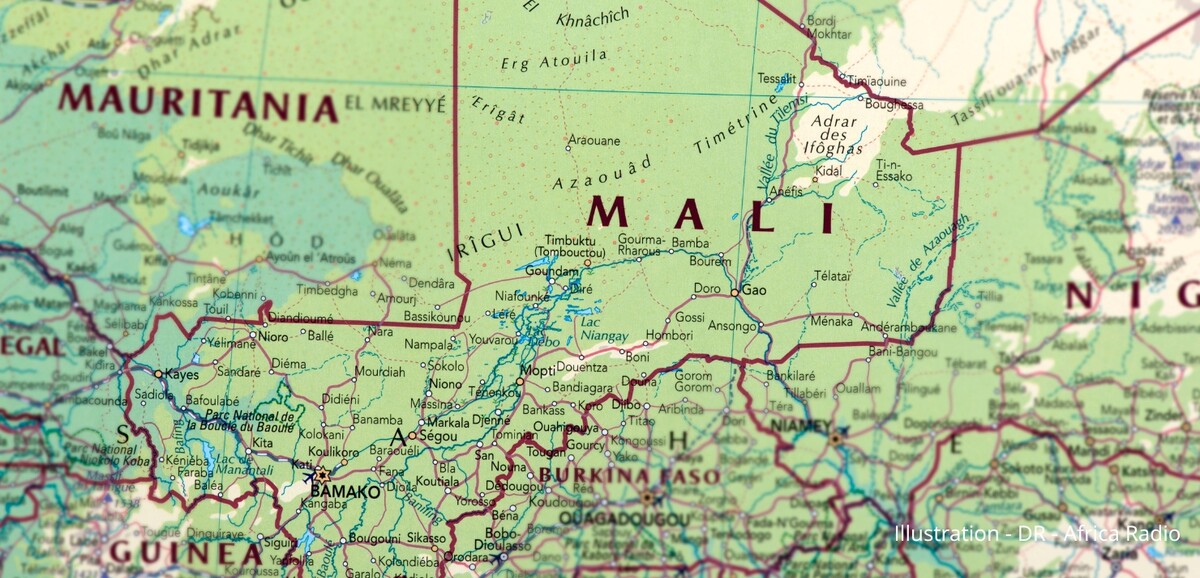
Since late April, Mali has experienced a sharp escalation in violence, forcing nearly 40,000 people from their homes in the northern and central regions. The surge in clashes and airstrikes has prompted a mass exodus, with many seeking shelter in urban centers like Gao and Ménaka.
Urban centers under strain as new wave of displacement hits
The displaced, many arriving with little more than the clothes on their backs, are overwhelming already strained resources in Gao and Ménaka. Local officials report that over 15,000 individuals have sought refuge in these cities alone since the violence intensified. In Gao, one municipal leader estimates that more than 7,000 people have arrived in just three months, marking one of the most significant displacement events in years.
Kidal: the epicenter of the latest offensive
The crisis stems from a renewed offensive by a coalition of jihadist forces from the Group for the Support of Islam and Muslims (JNIM) and separatist fighters from the Azavad Liberation Front (FLA). The strategic city of Kidal, in northern Mali, has fallen under the coalition’s control, triggering a wave of retaliatory airstrikes by the Malian military. Heavy fighting has also erupted in areas like Anéfis, further displacing local populations and cutting off access to vital services.
Airstrikes escalate as displaced populations grow
Over the past two weeks, the Malian army has intensified aerial bombardments in regions around Kidal, particularly near Tinzawatene. Reports suggest that some strikes have damaged health centers, exacerbating an already dire humanitarian situation. While the full extent of the destruction remains unverified due to restricted access, the exodus of civilians continues unabated. Thousands are fleeing combat zones, seeking safety in urban areas ill-equipped to handle the influx.
Humanitarian crisis deepens across the Sahel
The arrival of thousands of displaced persons in Gao and Ménaka has stretched local authorities and aid organizations to their limits. Families arriving from Kidal require immediate shelter, food, water, medical care, and support for children. This surge comes at a time when Mali already hosts over 400,000 internally displaced persons—a figure humanitarian groups warn may be an underestimate. The new wave of displacement threatens to push an already fragile humanitarian situation in the north and center of the country into further crisis.
A decade of instability fuels ongoing displacement
Mali has grappled with a deepening security crisis since 2012, marked by the rise of jihadist groups linked to Al-Qaïda and the Islamic State, as well as communal and separatist armed factions. Despite the military’s two coups in 2020 and 2021, the transitional government’s efforts to reclaim territory and restore security have struggled to gain traction. The recent escalation underscores the persistent challenges in stabilizing the region, leaving countless civilians caught in the crossfire.
As the violence shows no signs of abating, the question remains: how long can communities endure before the next wave of displacement forces them from their homes?