- Bénin
- African integration
Bénin to lead african peace council as diplomatic test looms
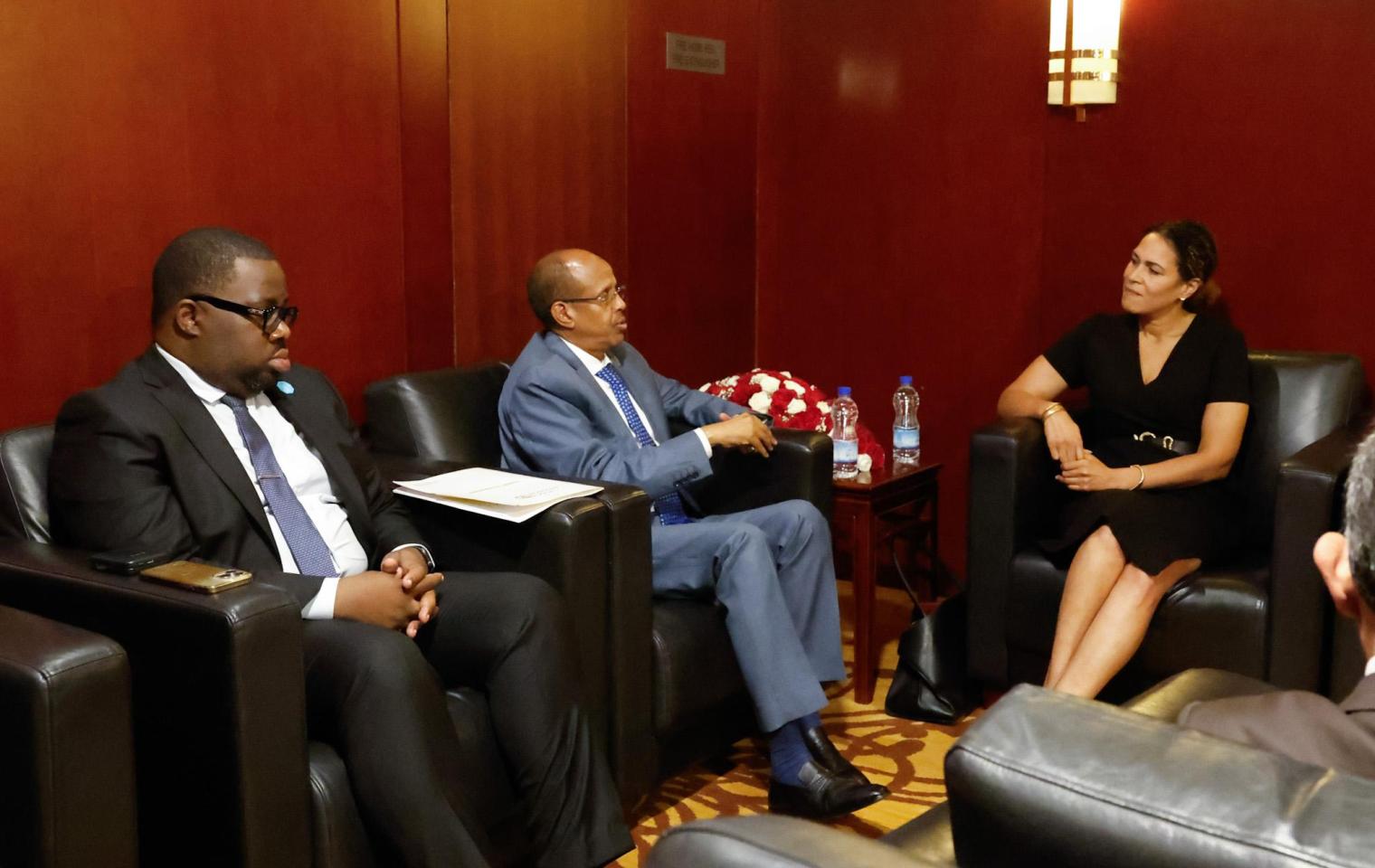
In the hushed corridors of the African Union headquarters, every step carried symbolic weight. On July 28-29, 2026, Benin’s Foreign Minister Corinne Amori Brunet engaged in strategic talks with Mahmoud Ali Youssouf, Chair of the African Union Commission, on the sidelines of the 49th ordinary session of the Executive Council. This was no mere courtesy call—it was the groundwork for a pivotal moment: Benin’s upcoming presidency of the AU Peace and Security Council in September.
This opportunity didn’t arrive unexpectedly. Back in February 2026, during another session in Addis-Abeba, Benin had been elected to the Council for the 2026-2028 term. The rotating presidency in September represents both the culmination of this mandate and its most public trial. The Peace and Security Council sits at the heart of continental diplomacy, arbitrating crises, deploying missions, and shaping political transitions. Leading it—even briefly—places a nation under intense scrutiny from its peers.
Timing amplifies the stakes. Benin’s presidency will coincide with the 81st UN General Assembly in New York, a global stage where African priorities resonate. Cotonou views this as a chance to amplify the continent’s voice on peace and security while strengthening ties between the African Union and the United Nations—a partnership critical to addressing crises from the Sahel to the Horn of Africa.
For a mid-sized country long seen as a quiet regional player, this diplomatic spotlight is no small feat. It reflects a deliberate trajectory since President Romuald Wadagni took office, beginning with an understated regional tour that signaled a new ambition: to make Benin a respected voice in continental affairs without compromising its measured reputation.
The Addis-Abeba meetings underscore this shift. By preparing its presidency in direct consultation with the AU Commission, Benin signals it won’t passively follow the agenda—it intends to shape it. The backdrop is a continent grappling with deepening insecurity: armed groups encroaching on Gulf of Guinea coastal states, fragile transitions in the Sahel, and simmering tensions within regional blocs. Success here hinges on building consensus, not just delivering declarations.
The real test for Corinne Amori Brunet will be converting visibility into influence. Steering the Peace and Security Council requires setting the agenda, brokering agreements among divergent interests, and striking a balance between firmness and unity. One misstep could erode hard-won political capital. Yet it’s also an opportunity to prove that a country’s impact can outweigh its size through disciplined diplomacy.
The presidency lasts just one month within a two-year term, and its legacy will depend on whether Benin sustains its priorities beyond the handover. The coming weeks will reveal if the meticulous preparations in Addis-Abeba translate into tangible action during September’s UN session.
In a region where security fractures deepen daily, a voice that prioritizes dialogue and method is invaluable. By positioning itself at the heart of continental peace machinery, Benin is betting that patient diplomacy remains a strategic asset. The proof arrives in September.