Mali’s complex reality: five years after the assimi goïta coup
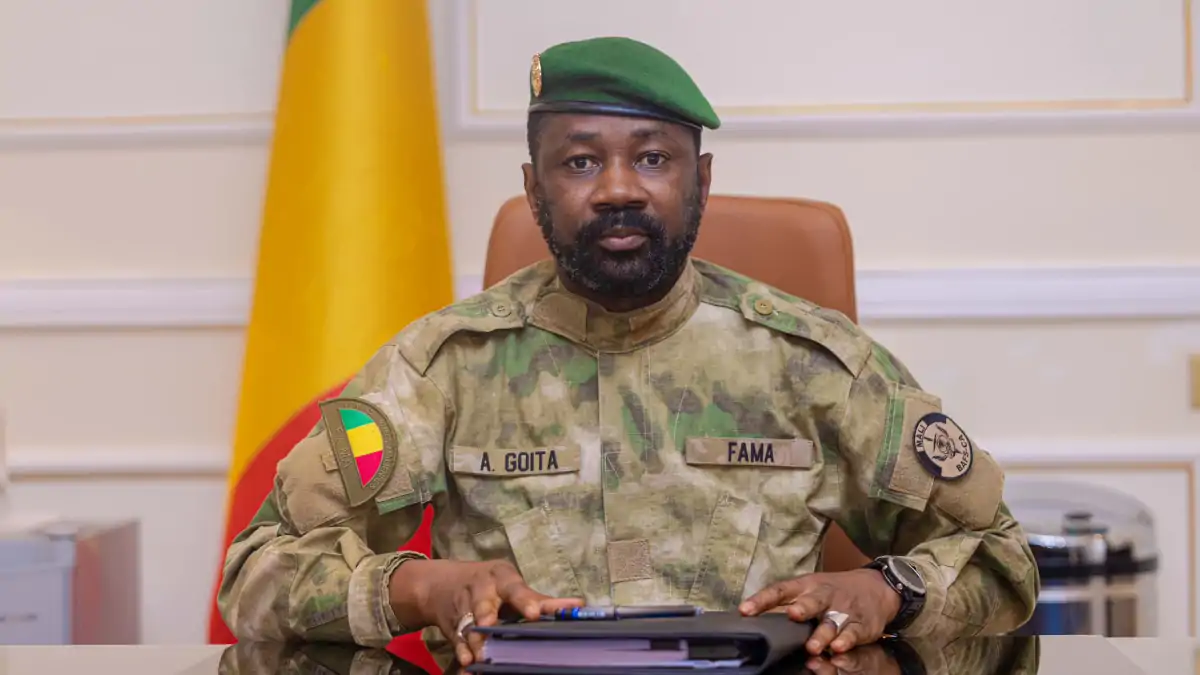
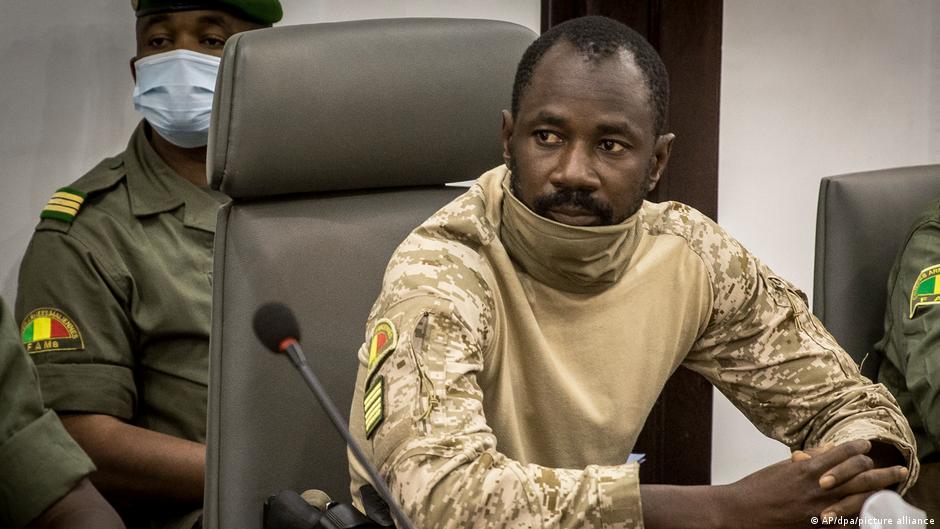
Today marks precisely five years since General Assimi Goïta seized control of Mali in a coup d’état. Since then, numerous criticisms have emerged regarding the deteriorating conditions for the Malian population, citing diminished security, restricted freedom of expression, and a curtailed press. This unfolding situation is a significant topic in Africa news and African politics discussions.
To gain further insight into these developments, I spoke with Ulf Laessing, who serves as the Sahel Program Director for the Konrad Adenauer Foundation in Mali.
Insights from Ulf Laessing
Ulf Laessing highlighted the increasing repression, noting that free expression has become more challenging. While frank discussions are still possible among trusted individuals, people have grown considerably more cautious. This represents a clear critique of the current government. Furthermore, critical voices have faced imprisonment, and others have been forced into exile.
I inquired about any improvements for the population since the military assumed power.
Laessing responded that initially, security saw some improvement in certain areas. For example, the route to Ségou remained open for an extended period, allowing some farmers to return to their fields. However, this is no longer the case. The crisis has persisted, and with rapid demographic growth, climate change, and pervasive insecurity, he expressed deep pessimism about any government’s ability to significantly alter the situation.
I then pressed on the military’s initial ambition in 2020 to eradicate jihadists, noting its apparent lack of success.
Laessing confirmed that the JNIM and Islamic State effectively control portions of the country. He believes no government, whether through another coup or a future elected body, will be able to reclaim these areas. He remains quite pessimistic about the prospects for pacifying Mali.
Regarding the coordinated attacks by jihadists and Tuareg rebels in late April, which caught many off guard, Laessing described them as a significant shock. This was the largest assault since 2012, when Tuareg rebels and jihadists briefly controlled the north before French intervention a year later. It constituted a direct challenge to the state. While the government has maintained its position, losing some northern territories, the rebels do not appear to be making further advances. Nevertheless, it represents a substantial loss of prestige. This dramatic attack was unforeseen, especially by the Russians, who were deployed to enhance security.
I questioned why Russian mercenaries, ostensibly present to improve security, seemingly withdrew without engaging in significant combat, and why Mali’s allies, Niger and Burkina Faso, members of the Alliance of Sahel States (AES), offered only rhetorical support, leaving Mali isolated.
Laessing explained that the Russian presence has always been more about optics than substance. With approximately 1,500 to 2,000 mercenaries, they possess only a third of the force France had, which itself struggled to pacify the entire country. The Russians’ brutal tactics have, in fact, exacerbated the conflict. Ultimately, their withdrawal from Kidal and two other northern locations without a fight was a humiliation. Little assistance was observed from Niger and Burkina Faso. Although they claimed air support, Mali was largely on its own that day. This was not surprising, as both Niger and Burkina Faso are grappling with their own jihadist insurgencies and likely lack the capacity to aid Mali, even if they wished to.
I then asked if the solidarity frequently proclaimed by the three AES states might be weaker than perceived.
Laessing affirmed their strong political alignment and shared aspirations. However, he noted a critical lack of both will and, more importantly, capacity to realize these ambitions. While the three military leaders are united by a common ideology, they also preside over three of the world’s poorest nations. Realism is essential when assessing the potential of such cooperation. This is not akin to the European Union building infrastructure together or NATO’s mutual defense pact; these are three extremely impoverished countries fighting for their very survival.
Considering the bleak outlook, I inquired about potential solutions.
Laessing pointed to a positive aspect: the Malian populace does not desire Sharia law or Islamist rule. This sentiment, he noted, could have spurred protests in Mali despite the inherent dangers and repression. However, it is simply not what the people want. He expressed hope that this underlying desire could form a basis for future action, leading to negotiations with more moderate jihadist factions and fostering dialogue.
I challenged this, asking how one could negotiate with jihadists whose aim is to control the country and impose Sharia law.
Laessing clarified that he doesn’t believe the JNIM is capable of controlling a major city like Bamako or the entire nation. Their objective, he suggested, is to be left undisturbed, to control specific regions, and to reach arrangements with other groups. In Bamako, they might seek a government willing to implement some degree of Sharia and engage in negotiations with them. Unlike Middle Eastern jihadists, these are local actors, not foreign combatants seeking mere destruction. Their motivations often stem from issues like access to water and land, which jihadists exploit. Ultimately, he believes discussions will be necessary. Military action is vital, but so is dialogue with moderate elements. There are already nascent pressures for such dialogue within Mali.
Mauritania, he offered as an example, faced a similar challenge. Their response involved both military force and compromises, such as the prohibition of alcohol and the country’s designation as an Islamic Republic. While a full Taliban-style program isn’t necessary, he believes some common ground can be found to satisfy the country’s needs. Once instability is mitigated, the state will naturally have greater capacity to act.
I then asked about the aspirations of the Malian population.
Laessing reiterated that people in Bamako do not want to live under Sharia law. This was evident after the late April attacks: there were no widespread protests or strong demands for the government’s resignation, because people understand that replacing the current government would likely lead to a more Islamist alternative, which they do not desire. Despite all criticisms leveled against the military government, it retains significant popular backing precisely because people reject the alternatives: neither jihadists nor the old, corrupt elites perceived as linked to France and Europe. Therefore, he believes that absent further major attacks, the government will likely remain in power, given this underlying support.
Finally, I questioned whether the impression conveyed by social media, suggesting a strong youth endorsement of Assimi Goïta’s government, might be misleading.
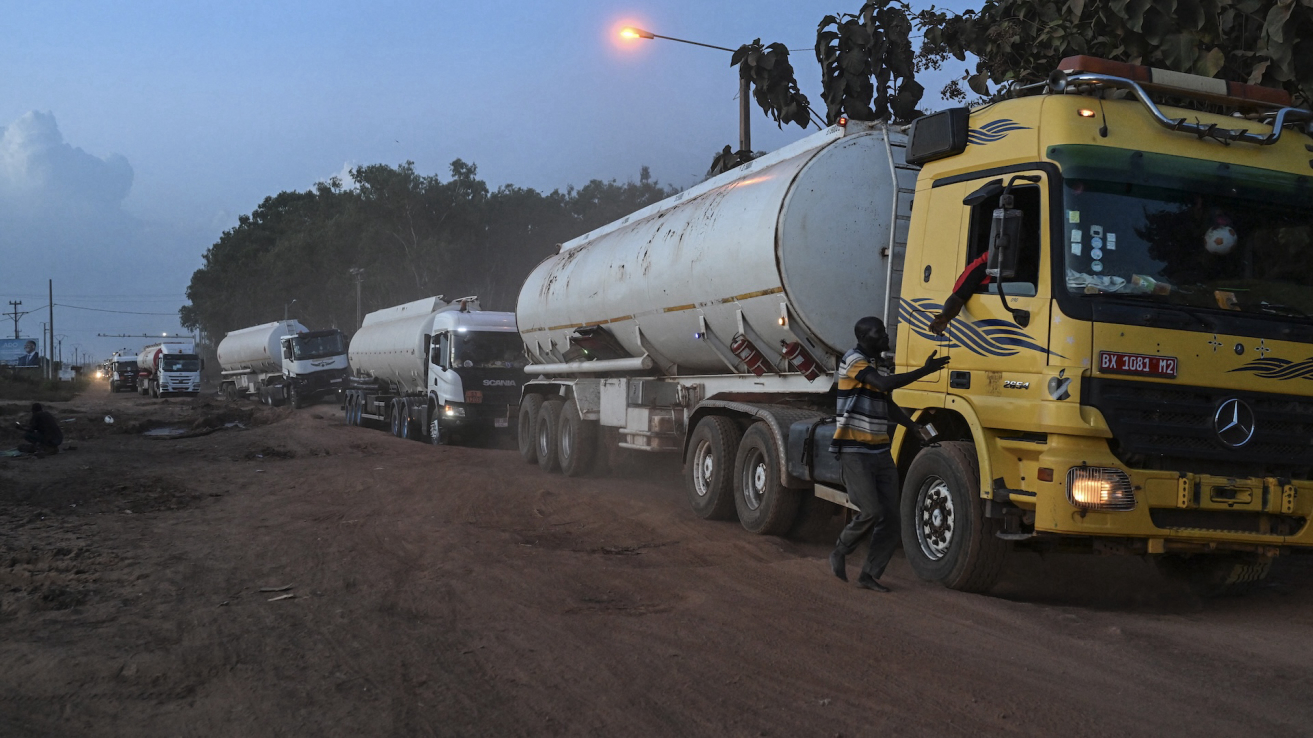
Laessing confirmed that with an average age of 15 in Mali, many young people are out of school and lack connections to Europe or France. They primarily consume information via social media, which is rife with propaganda, including Russian disinformation designed to bolster the government. He maintains that genuine support for the government persists. The late April attacks, for instance, would have been an opportune moment for protests, as the regime was weakened. This was also true in the autumn when fuel deliveries were disrupted. Yet, no significant protests materialized because the populace unequivocally rejects governance by the JNIM.
I suggested that perhaps their preoccupation with basic survival overshadowed political dissent, especially with the ongoing blockade in Bamako.
Laessing agreed that life has become considerably more challenging, even before these recent attacks. People have grown resigned and disillusioned with politicians. He also pointed out that traditional political parties and older politicians have lost much credibility, having held power previously without bringing about significant improvements. This leads many to conclude: let’s give the current leadership another chance.