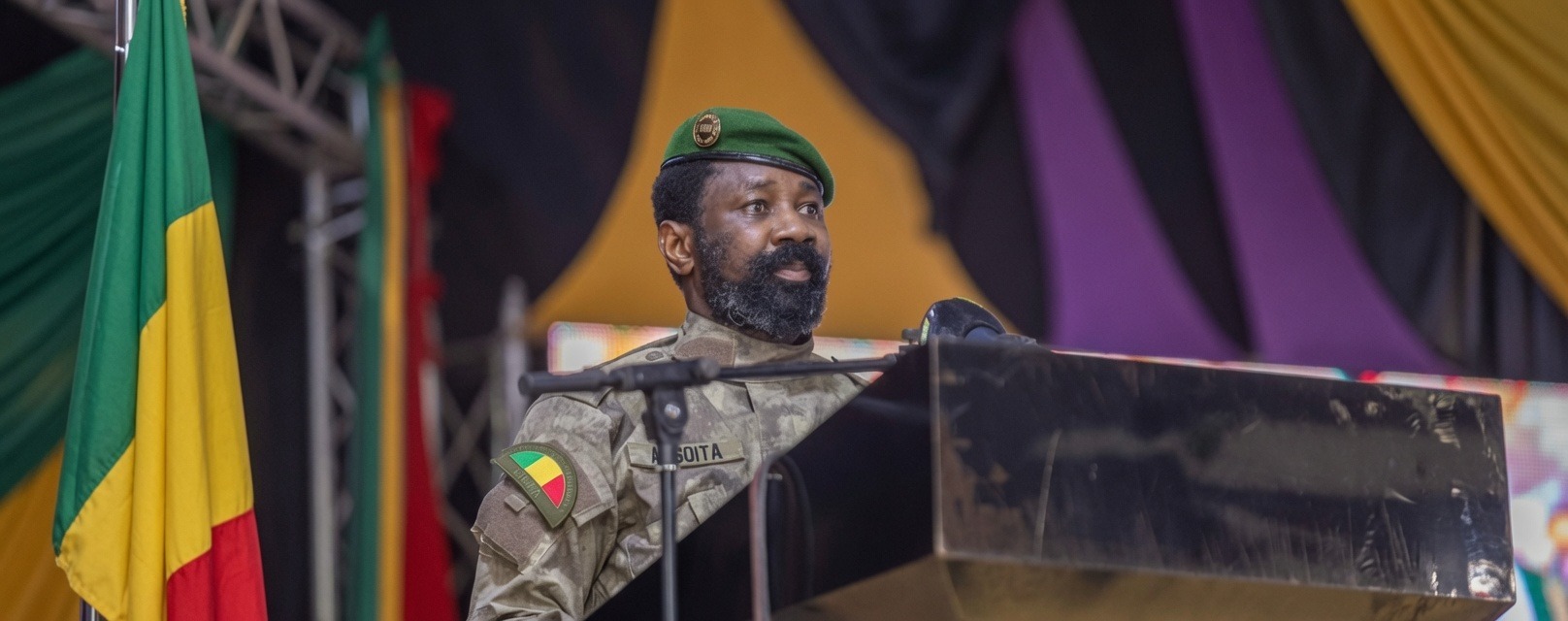
In Mali, crisis communication has evolved into a finely tuned performance. On Tuesday, August 12, 2026, the Directorate of Information and Public Relations of the Armed Forces (DIRPA) once again showcased its signature tactic: publishing staggering numerical reports. Colonel-major Bakary Bocar Maïga revealed a staggering tally for June and July alone—1,850 alleged terrorists “neutralized,” 45 bases destroyed, and hundreds of vehicles and motorcycles reduced to ashes. Yet beneath the sheen of these figures lies a troubling reality: their verifiability remains as elusive as the proof itself.
Numbers without proof: the credibility crisis of military reporting
The precision with which nearly two thousand enemy fighters are claimed to have been eliminated in just two months raises serious questions. In West African conflict zones, military announcements increasingly bypass the need for independent validation. No neutral observer, civil society group, or third-party organization has been granted access to verify these claims. The term “neutralized” itself is a deliberately vague term—does it refer to armed combatants killed in action, suspects detained during raids, or civilians caught in the crossfire within areas sealed off from external scrutiny? Without clear identification protocols or named lists, blurring the lines between local populations and armed groups remains a persistent risk.
The illusion of victory amid persistent insecurity
The disconnect between DIRPA’s triumphant narratives and the harsh realities on the ground is glaring. If insurgent forces have truly been decimated and their supply chains dismantled, why do key transport routes remain vulnerable to ambushes? Why must the military deploy massive resources to escort fuel convoys if forest hideouts and terrorist strongholds have been eradicated? Reports of attacks on critical bases like San and Konna, or simultaneous offensives by the Group for the Support of Islam and Muslims (JNIM) in the North and East, contradict the narrative of a weakened enemy. Claiming an adversary is “severely degraded” while it continues to launch coordinated assaults on fortified positions stretches the bounds of tactical plausibility.
A narrative built on opacity
This communication strategy serves a dual purpose: it bolsters the legitimacy of transitional authorities and justifies controversial defense policies, including the Dougoukoloko Plan and deeper ties with Africa Corps, the Russian contingent. By flaunting these figures, Bamako seeks to validate its pivot away from traditional allies and the substantial military investments made in recent years. Yet this approach relies on a dangerous premise: that public trust can be sustained through numbers alone, without transparency or accountability.
As long as the DIRPA prioritizes dramatic statistics over verifiable evidence, its reports will continue to fuel skepticism among those who endure the daily reality of escalating insecurity. The people of Mali deserve more than a war of words—they need credible, verifiable outcomes.