
Navigating a delicate social issue
In Bamako and beyond, discussions about female genital mutilation (FGM) have intensified, putting pressure on transitional authorities to take a definitive stance. While the practice remains deeply rooted in certain communities, the Malian government is now under scrutiny for its approach—or apparent hesitation—to eradicate this harmful tradition.
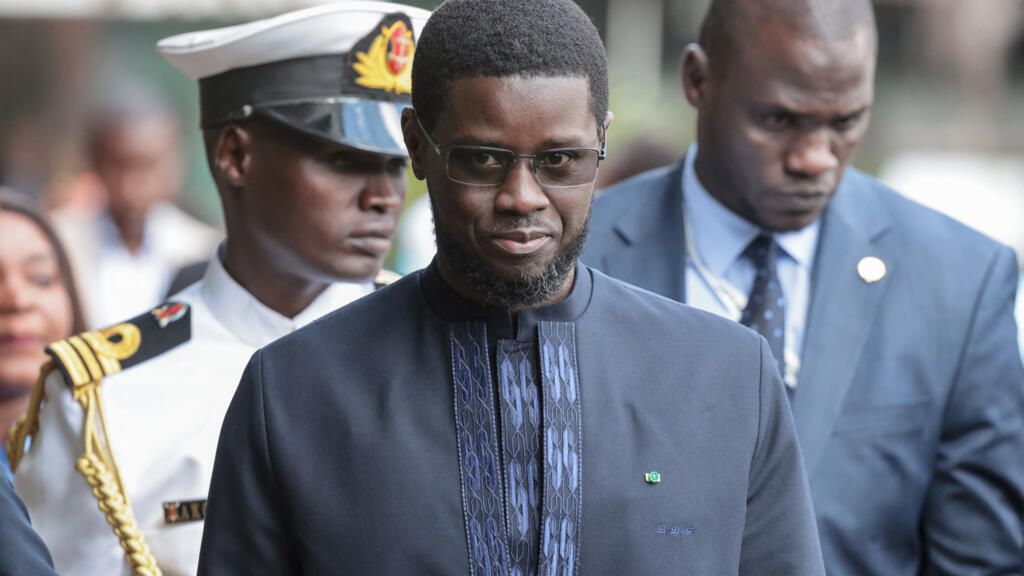
The debate has gained momentum as activists and international observers push for stricter enforcement of existing laws banning FGM. Despite legal prohibitions, enforcement remains inconsistent, allowing the practice to persist in some regions. President Assimi Goïta now faces the challenge of balancing cultural sensitivities with human rights imperatives.
Legal frameworks and enforcement gaps
Mali criminalized female genital mutilation in 2002, yet the law is rarely applied. Critics argue that weak enforcement stems from a lack of political will, societal resistance, or insufficient resources allocated to judicial and health sectors. Recent advocacy campaigns have highlighted these shortcomings, urging authorities to adopt a more proactive stance.
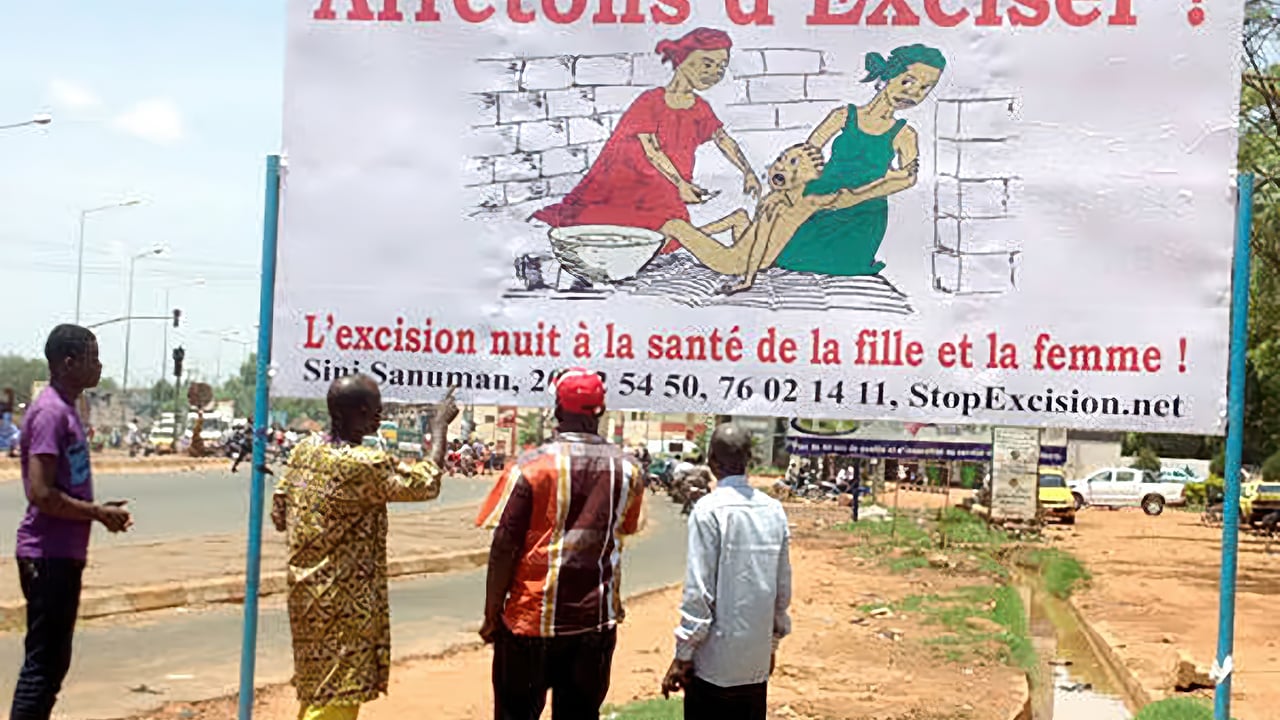
Local organizations have documented cases where communities continue to practice FGM despite legal bans. These incidents underscore the need for targeted interventions, including education campaigns and stricter penalties for offenders. The government’s response—or lack thereof—could determine whether Mali accelerates progress or falls behind regional peers in combating this violation of women’s rights.
Community perceptions and cultural complexities
Understanding the cultural context is crucial in addressing FGM. For many Malian communities, the practice is tied to tradition, identity, and social norms. While urban centers like Bamako are increasingly rejecting FGM, rural areas often maintain stronger adherence to these customs. This divide complicates efforts to implement nationwide change.
Efforts to engage religious and traditional leaders have yielded mixed results. Some have publicly condemned FGM, while others remain silent or even endorse it, citing religious or cultural justifications. This disparity highlights the need for nuanced, community-led strategies that respect local values while prioritizing the health and dignity of women and girls.
International pressure and domestic responses
Mali’s handling of the FGM issue is closely watched by international partners, who emphasize the importance of aligning domestic policies with global human rights standards. Development agencies and NGOs have offered technical and financial support to strengthen enforcement mechanisms, but progress remains slow.
The transitional government, led by Colonel Assimi Goïta, has pledged to uphold Mali’s legal obligations. However, critics question whether these commitments will translate into tangible action. With elections looming and political priorities shifting, the debate over FGM risks becoming a secondary concern unless sustained pressure is maintained.
Pathways to progress
To break the cycle of FGM, experts recommend a multi-pronged approach: strengthening legal enforcement, empowering local advocates, and fostering dialogue with traditional leaders. Education campaigns targeting both rural and urban populations are also essential to shift long-standing perceptions.
The path forward is fraught with challenges, but the stakes are clear. Mali’s ability to address FGM effectively will not only shape its international reputation but also determine the well-being of generations of women and girls.