Morocco-France talks spark debate over future of Maghreb cooperation
Diplomatic exchanges in Essaouira raise questions about the next steps in Morocco-France relations, as public and expert circles dissect the potential outcomes of strengthened ties.
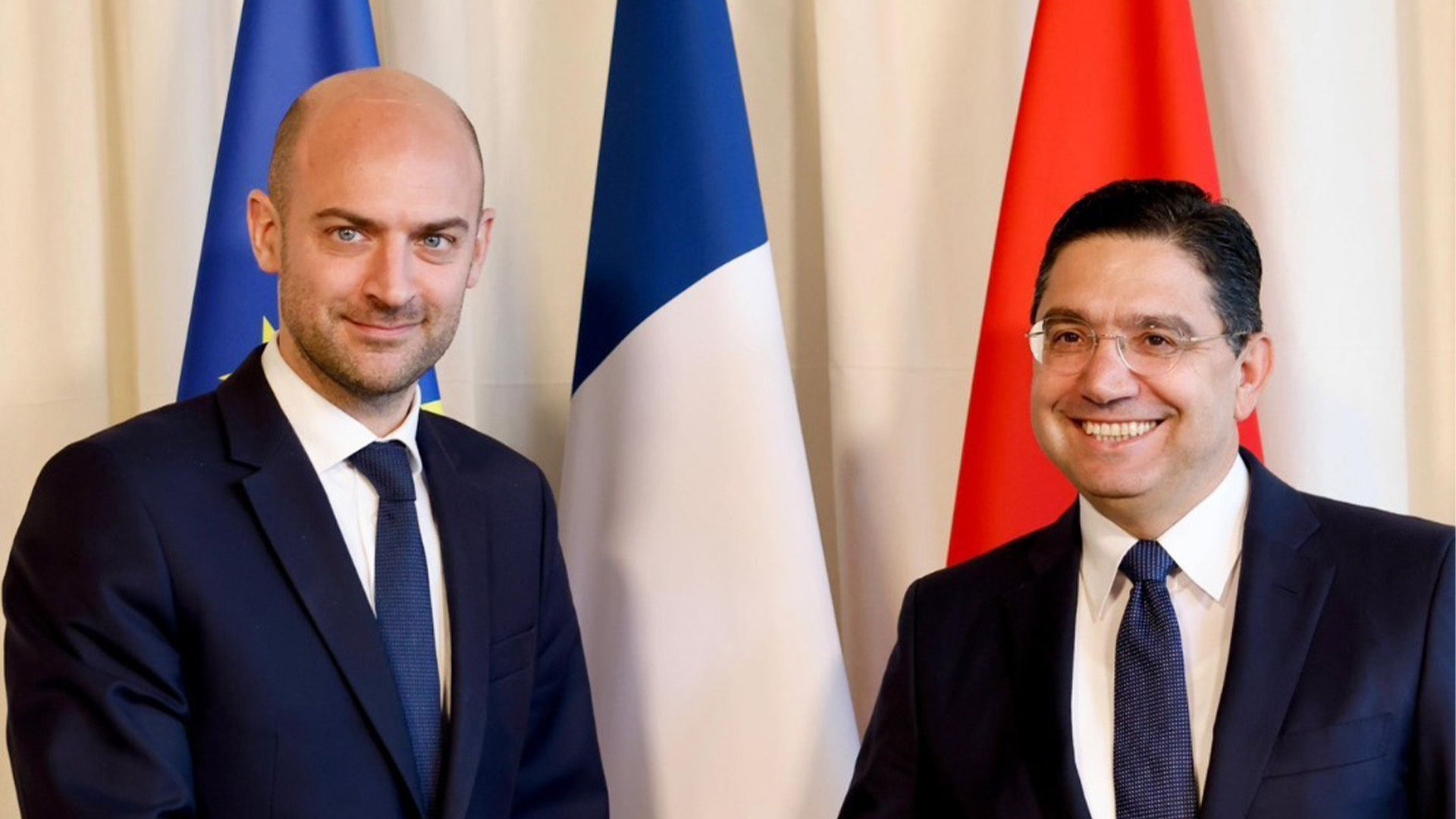
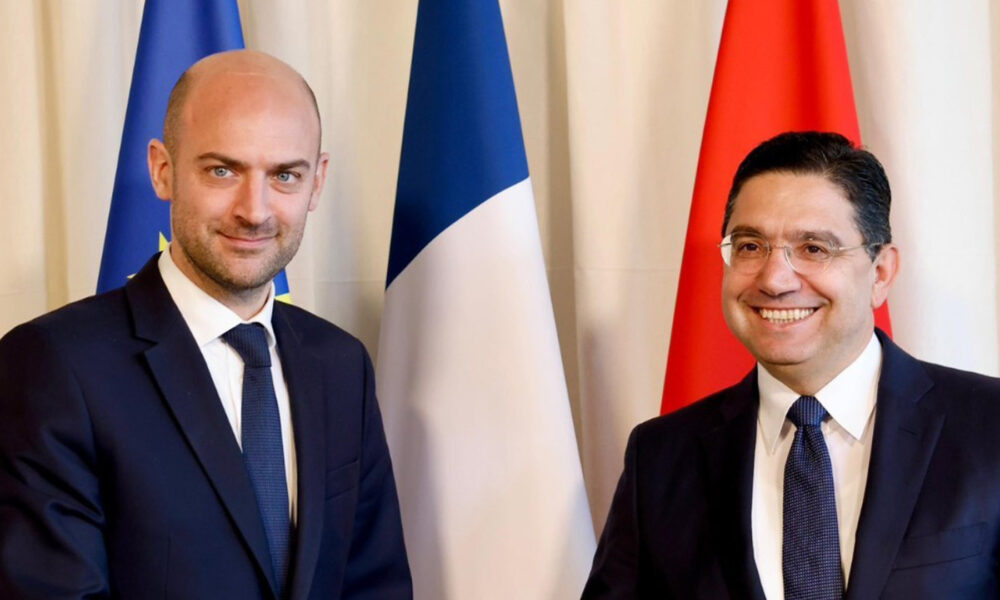
The high-stakes meeting between Morocco’s Foreign Minister Nasser Bourita and his French counterpart Jean-Noël Barrot in Essaouira has set the stage for a renewed push in bilateral cooperation. Held under the framework of the “Enhanced Exceptional Partnership” established in October 2024, the discussions underscored both nations’ commitment to deepening political, economic, and cultural collaboration.
What the Morocco-France partnership means for regional stability
Analysts and officials are now weighing the implications of the renewed diplomatic momentum. The talks covered regional and international issues of shared interest, with a particular focus on the Middle East and the two-state solution for Israel and Palestine.
Both ministers emphasized the importance of a just, comprehensive, and lasting peace in the region, while reaffirming their countries’ alignment on critical security and development priorities. The partnership’s expanded scope—spanning the Maghreb, Sahel, Mediterranean, and Middle East—positions it as a potential stabilizing force.
Public reaction: cautious optimism meets skepticism
The French government’s reaffirmation of its support for Morocco’s autonomy initiative for Western Sahara has drawn mixed reactions. While some view it as a step toward resolving a decades-old dispute, others question the viability of the plan and its potential impact on regional dynamics.
Voices from civil society and experts
- Supportive perspectives: Advocates argue that the initiative offers a realistic framework for negotiation, aligning with UN resolutions and providing a path toward self-governance under Moroccan sovereignty.
- Critical viewpoints: Critics warn that the plan may not address the core demands of the Sahrawi people and could further entrench divisions in the region.
- Economic implications: Business leaders highlight the potential for expanded trade and investment in North Africa if the partnership succeeds in reducing tensions and fostering stability.
What’s next for Morocco-France relations?
The road ahead will likely involve intensified negotiations on key issues, including trade agreements, security cooperation, and cultural exchange programs. Both sides have signaled their intent to build on the Essaouira talks, but challenges remain—particularly in balancing national interests with regional expectations.
As Morocco and France navigate these complexities, the broader question lingers: Can their partnership serve as a model for other nations in the region, or will it face the same obstacles that have stalled progress in the past?