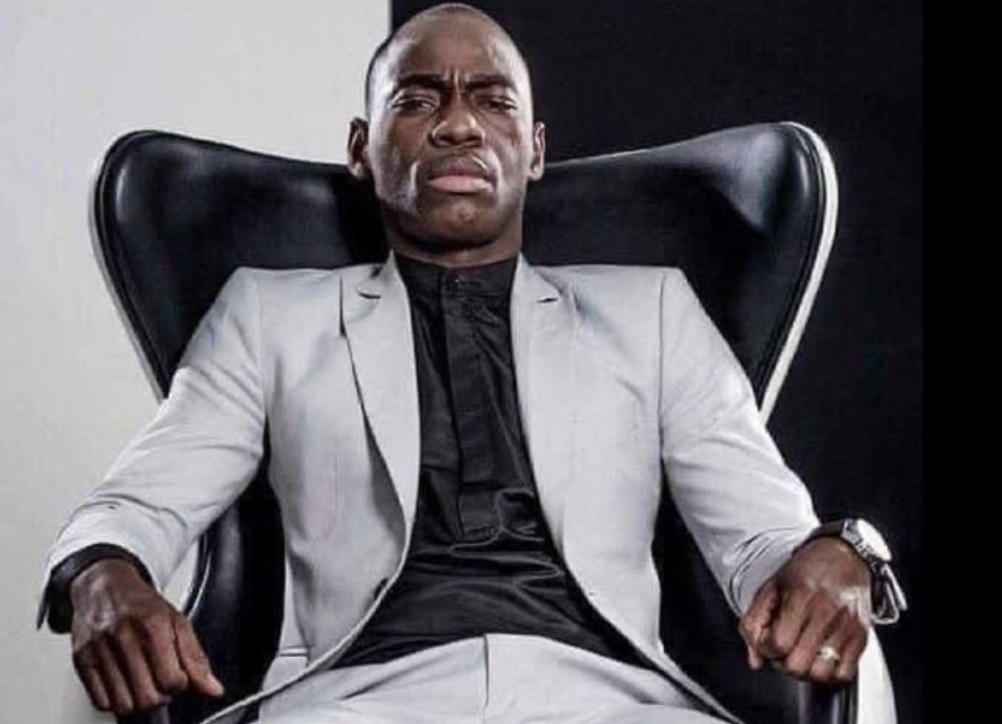
The Burkina Faso judiciary has taken a historic step in its anti-terrorism efforts. A landmark announcement on November 13, 2026, revealed the initiation of international legal proceedings against pastor and public figure Camille Makosso. This decisive move marks a turning point in regional security cooperation, signaling a new phase in cross-border judicial collaboration.
Breakthrough in Burkina Faso’s anti-terrorism strategy
On a pivotal Friday, the prosecutor general of the Ouagadougou Court of Appeal, Pinguedewindé Désiré Sawadogo, disclosed the court’s intention to obtain an international arrest warrant for Camille Makosso. The move is part of a broader strategy to dismantle terrorism-related networks operating across West Africa. While details remain under seal, the development underscores the judiciary’s commitment to pursuing individuals suspected of involvement in extremist activities, regardless of their location.
The timing of this announcement is significant. It follows a series of coordinated operations targeting terror cells within Burkina Faso, where security threats have intensified in recent years. The case against Makosso signals a broadening of the legal front in the fight against terrorism, extending into the digital and religious spheres.
International cooperation takes center stage
An international arrest warrant represents more than a formal legal instrument—it is a call for global solidarity in combating transnational crime. For Makosso, whose influence spans Côte d’Ivoire and beyond, the warrant has immediate cross-border implications. Authorities are leveraging existing judicial cooperation agreements with neighboring countries, including Côte d’Ivoire, the United States, and France, to ensure the pursuit of justice.
The legal framework relies on mutual legal assistance treaties and Interpol channels. While these mechanisms facilitate extradition requests, they also require rigorous due process. The speed and outcome of any arrest abroad will depend on national legislation, bilateral agreements, and the strength of the evidence presented by Burkinabè prosecutors.
A case shrouded in uncertainty
Despite the weight of the announcement, critical questions remain unanswered. Publicly available information does not specify the exact nature of the allegations against Makosso, the timeline of the alleged offenses, or the evidence underpinning the case. This lack of clarity has fueled speculation and prompted calls for transparency from legal analysts and regional observers alike.
What is clear is that the presumption of innocence remains intact. Until a competent court delivers a final verdict, Makosso is entitled to the full protection of the law. Any discussion of guilt or innocence at this stage would be premature and legally unsound.
What’s next for the investigation?
The coming weeks will be pivotal. Prosecutors must formalize the charges, present them to judicial authorities, and submit formal extradition requests through international channels. These steps will determine whether Makosso is apprehended abroad or remains at large beyond Burkina Faso’s borders.
The case also raises broader questions about the intersection of faith, media, and national security. Makosso, known for his public sermons and digital activism, has become a polarizing figure in francophone West Africa. His high-profile status ensures that this case will draw regional and international attention, regardless of its legal outcome.
Regional security in the spotlight
This legal development arrives at a time when Sahel nations are reassessing their counter-terrorism strategies. Burkina Faso’s decision to pursue an international warrant reflects a growing reliance on judicial tools to complement military and intelligence operations. The case demonstrates how terrorism is increasingly fought not only on battlefields but also in courtrooms and digital platforms.
For policymakers and security experts, the Makosso case serves as a case study in balancing the urgency of justice with the necessity of due process. It also highlights the challenges of prosecuting individuals who operate across borders, often shielded by complex networks of influence and communication.
As the story unfolds, one thing is certain: the international arrest warrant marks the beginning of a critical chapter—not just for Burkina Faso and Côte d’Ivoire, but for the entire region’s approach to counter-terrorism and transnational justice.