War on civilians: the tragic turning point in Tillabéri’s worsening crisis
In a brutal escalation of violence, at least 37 civilians from Tillim, a village in Niger’s Tillabéri region, were killed Thursday in a coordinated ambush blamed on the Islamic State in the Greater Sahel (ISGS) militia. The victims were part of a protected convoy heading to a local market, escorted by community defense fighters known as Domol Leydi. The attack marks a dangerous shift in jihadist strategy, targeting civilian movement during vulnerable moments of daily survival.
This devastating assault follows a relentless 10-day spate of violence in western Niger, with jihadist factions intensifying operations near the volatile borders of Mali and Burkina Faso. As families in Tillabéri struggle to maintain their livelihoods, each journey to the market—or to grazing fields or trade routes—now carries the risk of sudden, deadly confrontation.
Security illusion: how community escorts failed to shield civilians
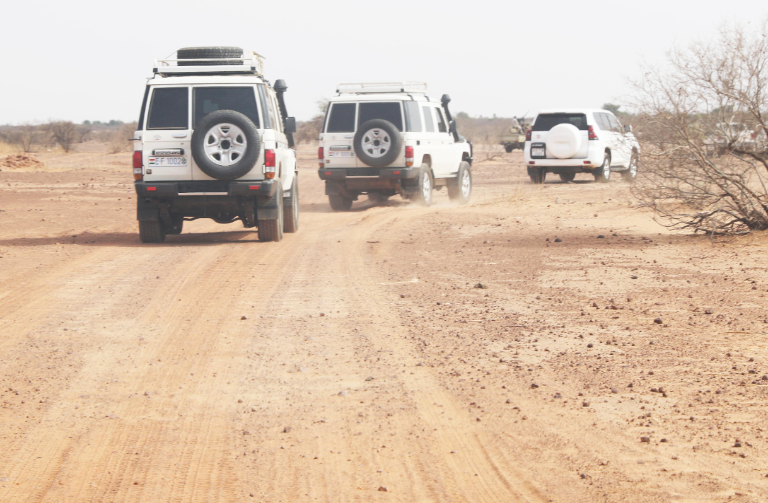
For residents of Tillim, the journey to market was meant to be routine. But on Thursday, that ordinary path became a death trap. The convoy, accompanied by armed Domol Leydi militiamen, was ambushed in the western outskirts of Téra. Despite local protection efforts, the civilians were overwhelmed by ISGS fighters equipped with superior mobility and tactical coordination.
The tragedy underscores a harsh reality: militia escorts, while vital, are not enough. These community defense groups play a critical role in filling gaps left by stretched national security forces. Yet their presence does not eliminate the risk—especially when jihadist cells operate with near impunity across remote, unmonitored roads. The attack raises urgent questions: How can safe passage be guaranteed when jihadist networks control the terrain?
The Domol Leydi: a community’s fragile shield
The Domol Leydi are a grassroots defense force born from local necessity. In regions where government security presence is sparse, these volunteers form a first line of protection, guarding markets, livestock routes, and rural pathways. Their mission is clear: prevent jihadist incursions from disrupting civilian life.
But Thursday’s attack proves that even emboldened local defenders cannot fully counter well-armed insurgents. Analysts warn that without sustained military support, intelligence sharing, and fortified security corridors, civilian convoys will remain vulnerable. The loss of 37 lives is not just a statistic—it’s a tipping point for families who can no longer take safe passage for granted.
A region besieged: how jihadist violence is reshaping life in Tillabéri
Tillabéri has long been a flashpoint in Niger’s fight against extremism. Bordering Mali and Burkina Faso, the region lies at the heart of the so-called “three-border zone,” a hotspot for jihadist groups like ISGS and the Group for Support of Islam and Muslims (JNIM). Their ongoing campaigns have transformed daily routines into high-risk decisions.
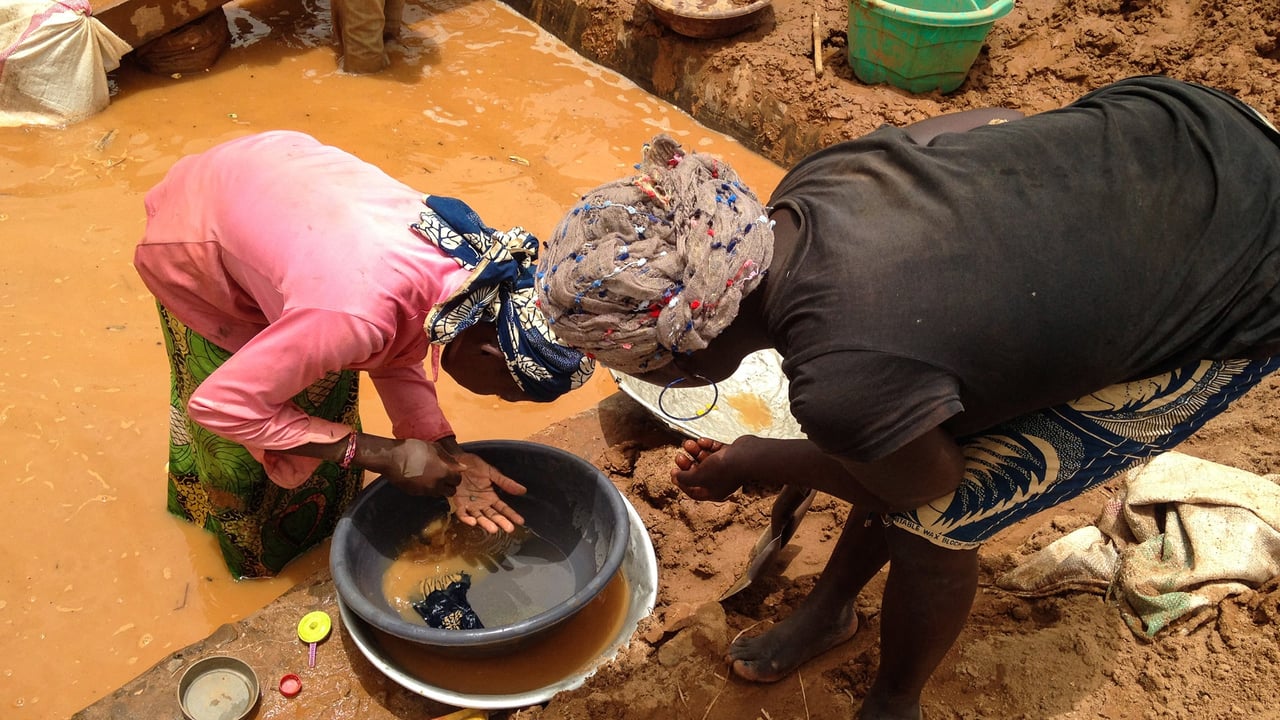
Markets once bustling with merchants now operate at reduced capacity. Herders move their cattle under armed guard. Farmers abandon distant plots for fear of ambush. The ripple effects are devastating: livelihoods are lost, food security weakens, and trust in communal life erodes. Children no longer walk freely to school. Women avoid traveling alone. Survival itself has become a strategic calculation.
With each attack, the psychological toll deepens. Survivors speak of a silent exodus—families relocating to safer towns, young men joining defense groups, elders warning that the next ambush could be even closer to home. In Tillim, grief has replaced routine. A trip to market is no longer a matter of trade. It’s a gamble with life and death.
From tragedy to turning point: what comes next for Tillabéri?
The scale of Thursday’s attack demands decisive action. For the Nigerien government, the challenge is threefold: secure rural routes, protect civilian mobility, and dismantle jihadist networks in the west. But with limited resources and vast, difficult terrain, every solution must be swift and sustainable.
Local leaders are calling for expanded military patrols along high-risk corridors. Civil society groups urge investment in early warning systems and community-based alert networks. Meanwhile, aid organizations warn of a coming humanitarian crisis—displaced families, collapsed markets, and weakened social structures.
The families of the 37 victims in Tillim are now at the center of a new national debate. Their tragedy has shifted the conversation from survival to strategy. The question is no longer if another attack will happen—but when, and will anyone be left standing in its wake?
Surviving the siege: how communities adapt under fire
In the aftermath of the ambush, residents of Tillim are rethinking every journey. Some have postponed market trips indefinitely. Others travel in larger groups, armed and vigilant. A few have abandoned farming altogether, joining defense initiatives or migrating to towns under military protection.
Yet adaptation brings its own costs. The loss of income strains families. The absence of farmers reduces food supplies. The collapse of local trade weakens communal bonds. In a region where solidarity once defined survival, today’s reality is one of isolation and fear.
As night falls near Téra, the villages of Tillabéri remain on edge. The next convoy could be tomorrow’s target. The next market visit could be the last. But for those who remain, giving up is not an option. They adapt. They endure. They wait—for justice, for safety, for a sign that the tide is turning.