
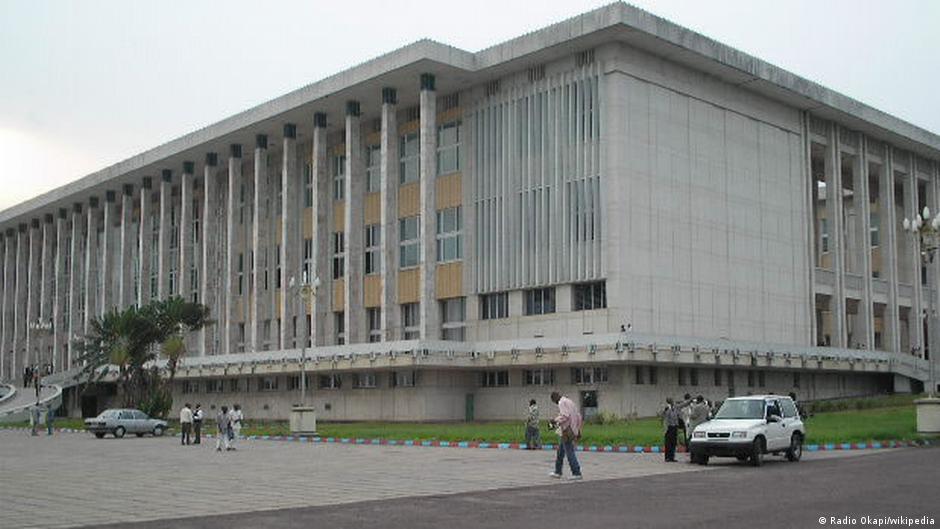
Twenty years after the 2005 referendum law, lawmakers in the Democratic Republic of Congo approved a new text that establishes the conditions for holding referendums, especially for constitutional revisions.
The reform faces criticism from the opposition, which accuses President Félix Tshisekedi of seeking a third consecutive term in office.
Yet some view the legislation as a victory for popular sovereignty, while others warn it could clash with the constitution.
Supporters of the change argue it strengthens the voice of the people. In Kinshasa, a number of legal experts see no problem. Among them is Maria Eloyi, who says: “Since the constitution is the people’s word, any changes or modifications must go through a referendum that represents the people’s voice. No one can bypass that procedure. It is not only about political interests — I believe several articles in our constitution need updating.”
Far from the real concerns of citizens
That argument resonates with some Congolese. Placide Lukeka, a young Kinshasa resident, says he has “always awaited this kind of initiative because I have always supported changing the constitution. Those who think a constitutional change is purely political are mistaken. Moving to a new republic would bring positive transformation to our country.”
Standing beside him, Ange Aloki, disagrees. She believes the referendum debate ignores the urgent needs of the people. “I do not appreciate it,” she says. “There are other pressing matters in the country — we should focus on those. Why spend so much energy on the eve of elections, two years before the vote? Where were they all this time when the constitution could have been changed?”
Legal controversy
Beyond the political timing, the text sparks a legal discussion. Several experts argue that popular sovereignty cannot be exercised outside the framework set by the constitution.
Godefroy Mwanabwato, a lawyer with the Tshopo bar, hopes that after its parliamentary journey, this law will be partially or entirely struck down by the Constitutional Court.
According to him, “the court can remove from this bill all provisions that exceed the legislative body’s power to regulate referendum matters.”
On the political front, the opposition firmly opposes the procedure. Its deputies walked out of the plenary session where the law was examined. Their leaders called for a city-wide strike on June 3 and a sit-in on Friday, June 13.


More Stories
Gabon : la participation citoyenne devient un enjeu de gouvernance
Gabon : Force ouvre sa rentrée associative à Akanda sur des propositions citoyennes
Dakar 2026 : Diomaye Faye invite la jeunesse sénégalaise à incarner l’Afrique