From Crude to Car Shortages: Niger’s Paradox of Plenty
How can a nation that produces millions of barrels of oil annually and claims energy independence still face crippling fuel shortages? This paradox lies at the heart of Niger’s current crisis, exposing systemic failures in oil production, refining, distribution, and supply chain management. Despite boasting significant hydrocarbon resources, the country’s citizens grapple with long queues at fuel stations and chronic shortages that disrupt daily life and economic activity.
The Numbers Don’t Lie: Structural Imbalances in Supply
The disparity between Niger’s oil production and domestic fuel availability has reached alarming proportions. Official data reveals a widening gap in refined petroleum products, particularly gasoline and diesel. Between 2024 and the first eight months of 2026, the deficit in gasoline surged from 47.25 million liters to 196.62 million liters, while diesel shortages grew to 52.60 million liters. These figures underscore a structural imbalance one that persists despite the country’s active oil exports and refining capacity.
Operational data from 2024 highlighted a daily production of approximately 110,000 barrels of crude oil. Yet, only 20,000 barrels were allocated to the Zinder refinery (SORAZ), leaving the remainder for export. This allocation model raises critical questions about national priorities and the efficiency of local refining infrastructure.
Algeria to the Rescue: Strategic Partnership or Emergency Band-Aid?
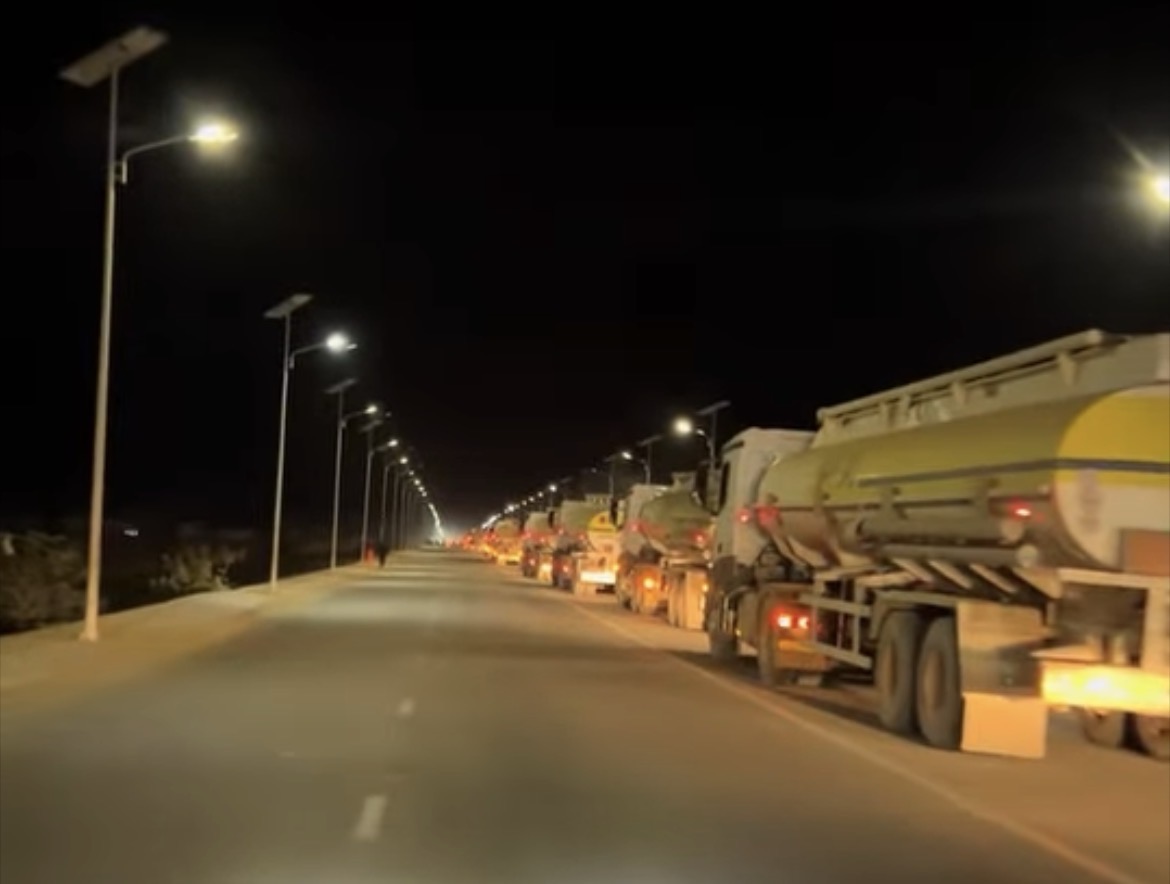
In response to the escalating shortages, Niger has turned to Algeria for support. A series of agreements between the Nigerien National Petroleum Company (SONIDEP) and Algerian state-owned Sonatrach were signed in mid-2026, culminating in the arrival of 53 fuel tankers carrying 1.65 million liters of gasoline and diesel on November 1, 2026. While this injection of supply may temporarily alleviate shortages, it also highlights a troubling dependency on foreign imports despite domestic production capabilities.
Analysts and citizens alike are demanding clarity on the terms of these agreements. What volumes of fuel are covered under the contracts? What are the pricing mechanisms? Are there long-term commitments, financial guarantees, or compensatory arrangements? Without transparency, Niger’s energy sovereignty remains a work in progress, vulnerable to negotiation margins that could undermine its economic stability.
The Financial Black Hole Behind the Crises
The fuel shortages are not merely a logistical challenge; they are compounded by a financial crisis within Niger’s oil sector. A newly formed technical committee, established on October 12, 2026, is tasked with addressing cross-debts among key stakeholders SORAZ, SONIDEP, the Niger Electricity Company (NIGELEC), and the China National Petroleum Corporation (CNPCNP). The committee has a three-month deadline to present a concrete debt resolution plan, signaling the severity of financial disarray in the energy value chain.
The opacity surrounding these debts is particularly concerning. Speculation about irregular practices or informal networks persist, but concrete audits and accountability measures remain absent. For a sector that contributes significantly to state revenue, financial mismanagement has direct consequences on the country’s ability to provide stable fuel supplies and sustain economic growth.
Human and Economic Toll: Who Pays the Price?
The ripple effects of the fuel crisis extend far beyond the pump. Businesses reliant on transportation face operational slowdowns, while small-scale entrepreneurs and artisans grapple with disrupted activities. For drivers, hourly wage earners, and market traders, the inability to access fuel translates into lost income and diminished livelihoods. Transportation costs, already a burden for low-income families, have surged, further straining household budgets.
This crisis underscores a harsh reality: natural resources hold little value unless they translate into tangible benefits for the population. Niger’s oil wealth, while a strategic asset, has yet to translate into energy security or economic resilience for its citizens.
Tiani’s Test of Sovereignty
Since assuming power in July 2023, General Abdourahamane Tiani has positioned national sovereignty as a cornerstone of his administration’s agenda. Yet, the fuel crisis serves as a litmus test for this claim. While the government champions hydrocarbon production and export as pillars of economic independence, the persistent shortages reveal a disconnect between policy rhetoric and ground-level realities.
The arrival of Algerian fuel tankers offers temporary relief, but it does not address the core issues plaguing Niger’s energy sector: inefficient refining infrastructure, opaque financial dealings, and a lack of coherent distribution strategies. For the Tiani regime, this crisis is not just about supply; it is about governance, accountability, and the credibility of its sovereignty narrative.
The road to energy security demands more than agreements with foreign partners or declarations of self-sufficiency. It requires transparent management, robust infrastructure, and a commitment to prioritizing national interests. Until these conditions are met, Niger’s citizens will continue to bear the brunt of a paradox producing oil to export while importing the very fuel they need to live and work.
By Ramatou Soumana — Journalist