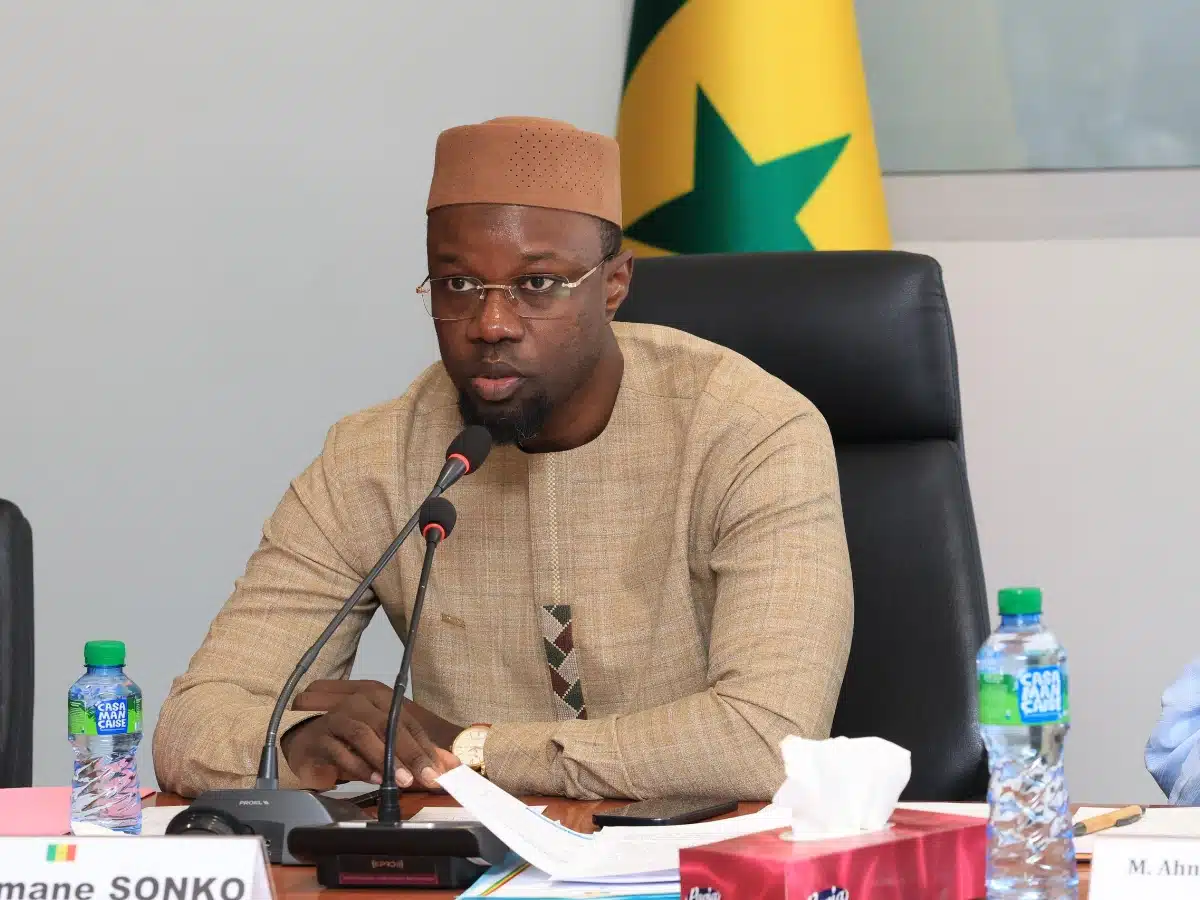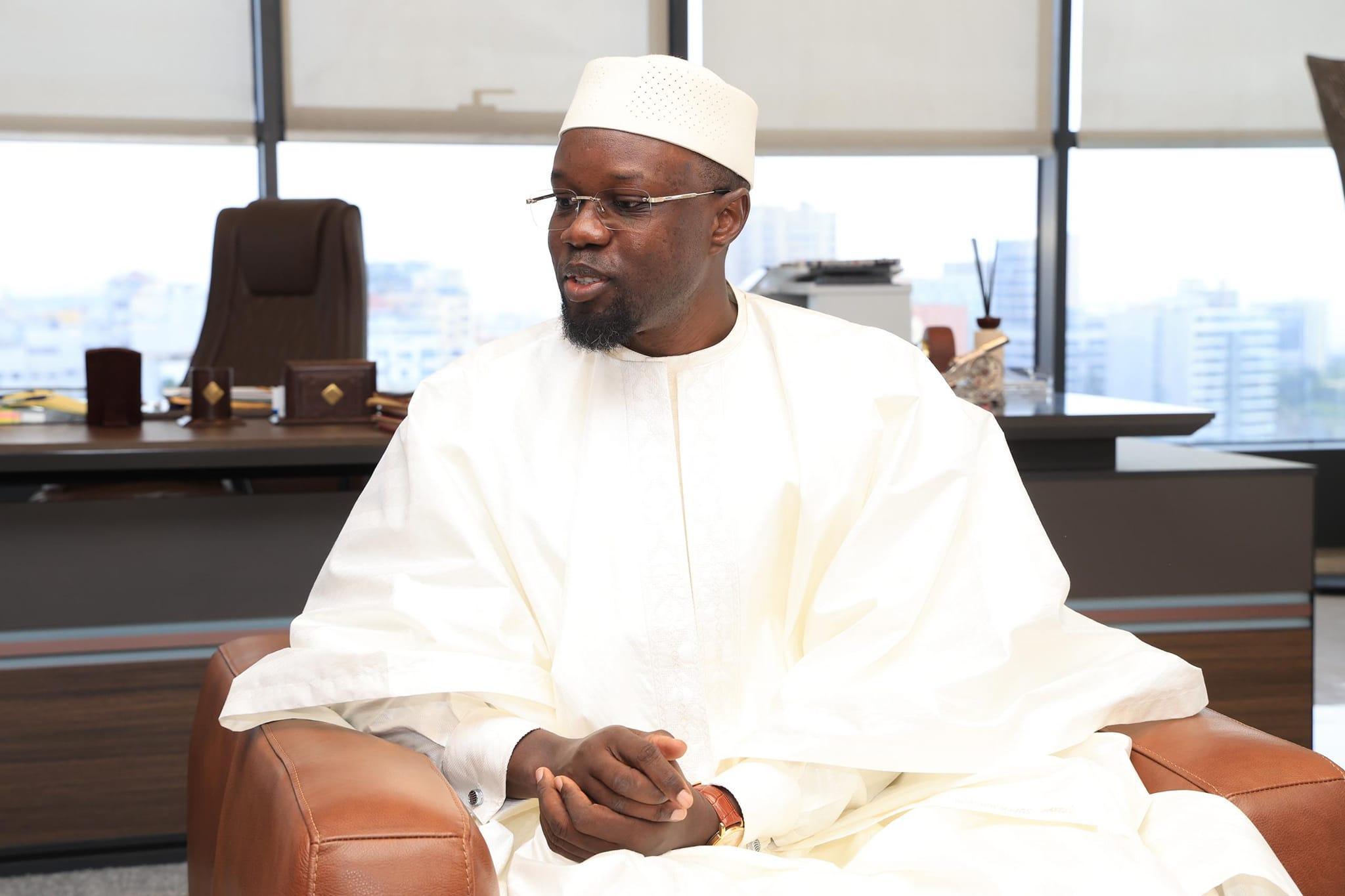
The absence of Ousmane Sonko from the opening ceremony of the Youth Olympic Games at Dakar’s Abdoulaye Wade Stadium has intensified political friction in Senegal. The incident, highlighted during a national radio broadcast, underscores deepening divides between state institutions and partisan divides.
The controversy behind Sonko’s missing presence
During a live discussion on a nationwide morning show, political commentator Samba Magane emphasized the symbolic importance of Sonko’s presence as Senegal’s second-highest-ranking official. “As a key figure in the nation’s leadership, his absence sends a troubling signal about national unity,” Magane stated. He contrasted the current political climate with past moments of collective pride during the national football team’s victories, noting that “sport has historically united Senegalese citizens regardless of political affiliation.”
The debate gained further traction when Amadou Ba, a PASTEF party leader and National Assembly member, publicly criticized the presidential administration for failing to extend an invitation to Sonko. “This is not just an oversight—it reflects institutional rigidity,” Ba argued, calling for greater inclusivity in national events.
Institutional deadlock fuels national anxiety
Historian and political analyst Abderrahmane N’Gaïdé framed the controversy within the broader context of institutional tensions between the presidency and the National Assembly. N’Gaïdé warned that the growing rift could erode public trust in governance, stating, “What was once a handshake between leaders now risks becoming a symbol of division.” He urged political figures to capitalize on the current climate of social calm—spurred by union-led truce agreements and the Youth Olympic Games—to restore constructive dialogue.
N’Gaïdé stressed that the upcoming weeks present a critical window for reconciliation, as the country navigates both political disputes and high-profile sporting events that traditionally foster national cohesion.
Why sport and politics must coexist
The dispute surrounding Sonko’s absence highlights a broader question: Should high-level politicians participate in events like the Youth Olympic Games, even amid partisan conflicts? Analysts argue that symbolic gestures—such as attending ceremonies or supporting national teams—can serve as unifying moments in fractured political landscapes.
“When a leader shows up to celebrate with citizens, it reaffirms that, above all, they serve the country,” one commentator noted. This view aligns with Senegal’s history of using sports as a bridge during times of national stress.