Fallout from Yaoundé meeting sparks debate over Cameroon-monaco relations
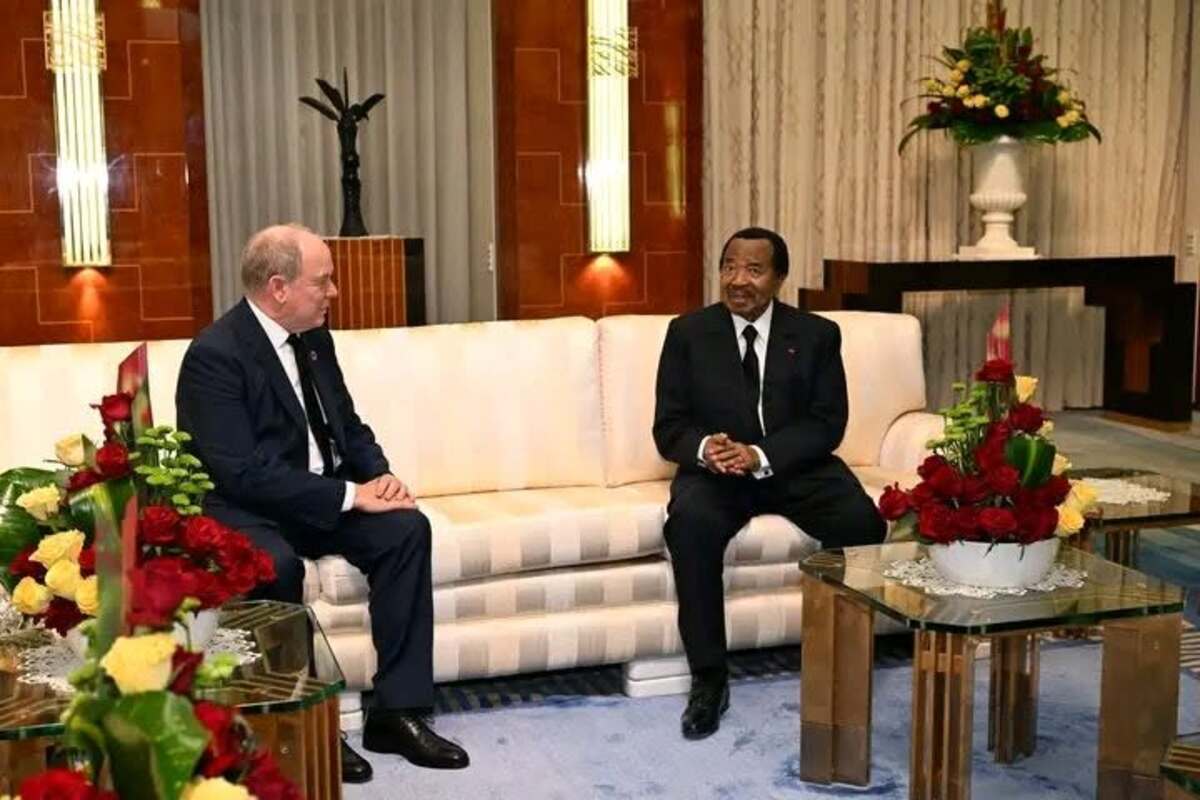
Public reactions are intensifying following Cameroon’s recent high-profile talks with Monaco’s ruling monarch, Prince Albert II, at the Unity Palace in Yaoundé. The closed-door meeting, which lasted over 90 minutes, has reignited discussions about the future of bilateral cooperation between the two nations. While officials emphasize continuity, critics argue the encounter reveals deeper unresolved issues.
In a post on X, President Paul Biya described the visit as “a pleasure to welcome His Serene Highness Albert II at the Unity Palace, where we revisited the enduring friendship between Cameroon and Monaco.” The statement, though diplomatic in tone, has done little to quell speculation about the substance of their discussions.
What the Cameroon-monaco talks may—or may not—reveal
The meeting took place during the Prince’s two-day visit to Cameroon, his second since 2023 when he was still Monaco’s heir apparent. Officials confirmed the discussions centered on strengthening cultural and humanitarian ties—specifically the Princess Grace Center in Yaoundé’s Elig-Essono district, which the Prince visited during his stay. However, the absence of concrete announcements has left observers searching for deeper meaning.
Questions remain about whether the encounter signals a renewed commitment to development assistance or merely a symbolic gesture. With Cameroon facing ongoing economic challenges, the timing of Monaco’s visit has prompted speculation about potential new partnerships—or the lack thereof.
Public reaction: between support and skepticism
The diplomatic exchange has drawn mixed responses from Cameroonian citizens, analysts, and business leaders. While some praise the symbolic importance of the visit, others question its practical impact:
- Proponents argue that high-level engagements, regardless of immediate outcomes, reinforce Cameroon’s global diplomatic presence and may pave the way for future collaborations.
- Critics counter that without tangible commitments—such as investment pledges or concrete aid proposals—the meeting risks being viewed as mere diplomatic protocol.
Online discussions have highlighted concerns that the visit, while cordial, may not address Cameroon’s pressing infrastructure and economic needs. The muted reaction from both governments has only fueled further debate.
What comes next after the Yaoundé talks?
Diplomatic observers are now gauging the long-term implications of the encounter. Key questions include:
- Will the renewed dialogue lead to new agreements, particularly in healthcare or education?
- Could Monaco expand its cultural or humanitarian footprint in Cameroon beyond the Princess Grace Center?
- How will this visit shape Cameroon’s broader international relations, especially with European partners?
For now, all eyes are on both capitals. One thing is clear: while the Yaoundé meeting has opened channels of communication, the true test of its significance lies in the actions that follow.
Key takeaways from the Cameroon-monaco diplomatic exchange
Despite the cordial tone of the talks, several unresolved questions continue to shape the narrative:
- The visit underscored the historical ties between Cameroon and Monaco but offered little clarity on new commitments.
- Analysts suggest that future progress will depend on whether both sides prioritize actionable plans over symbolic gestures.
- The absence of major announcements has led some to question whether the meeting was more about optics than substance.
As public debate continues, one thing remains certain: the fallout from this diplomatic encounter will influence perceptions of Cameroon-Monaco relations for months to come.