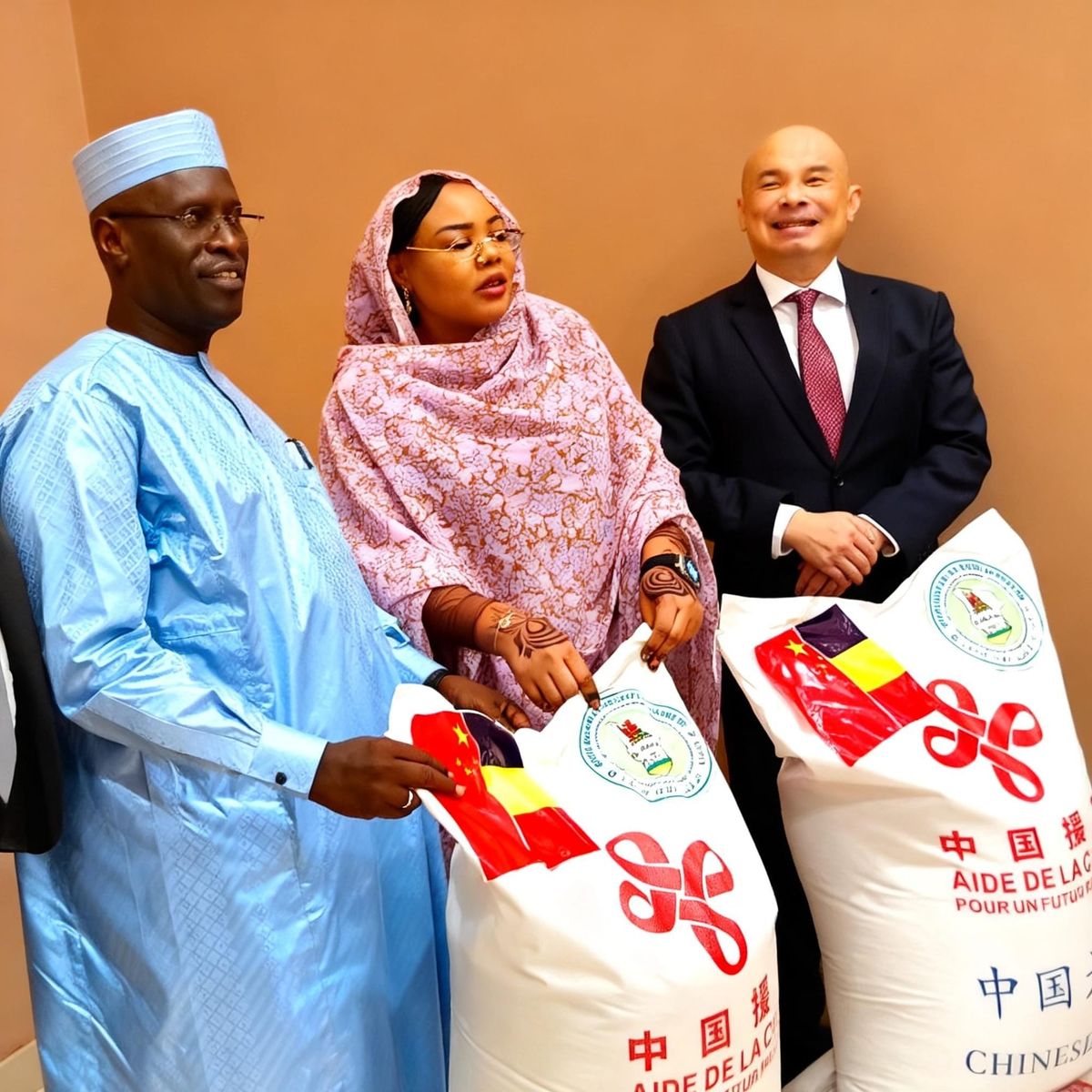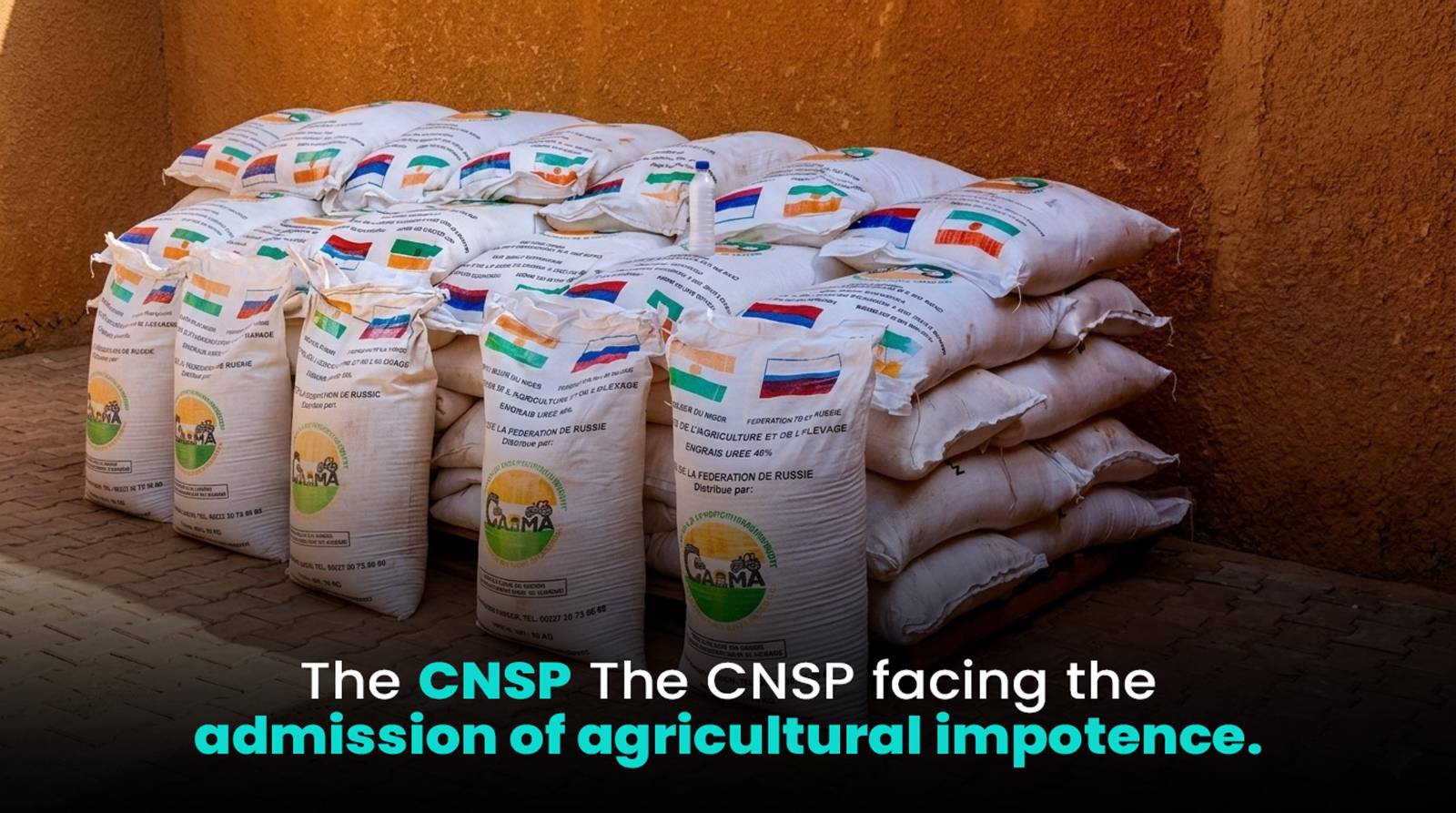
The Republic of Niger has formally accepted a donation of 20,000 metric tons of fertilizer from Russia as part of a broader realignment of its diplomatic alliances. The shipment arrived via the Port of Lomé before being transported by convoy, aligning with the transitional authorities’ stated objectives to enhance domestic agricultural output and ultimately secure the nation’s food self-sufficiency.
The agricultural sector’s critical lifeline
This consignment of agricultural inputs arrives at a pivotal moment for Nigerien farmers. Given the volatility of global commodity prices and the persistent challenges posed by climate variability, access to affordable fertilizer remains the primary barrier to increasing crop yields. The Nigerien government has confirmed that these fertilizers will be allocated to support small-scale farmers, who form the backbone of the local economy.
For the National Council for the Safeguard of the Homeland (CNSP), this gesture from Moscow exemplifies a mutually beneficial partnership, distinct from conventional aid arrangements often perceived as politically conditional by Niamey.
The paradox of external assistance and national sovereignty
The legitimacy of accepting foreign aid while advocating for strict sovereignty has sparked considerable debate. Can a nation genuinely claim autonomy when its sustenance relies on external donations?
The pragmatism of transitional leadership
According to current authorities, sovereignty does not equate to isolationism. Instead, it is framed as the autonomy to select strategic partners. By opting for Russian aid over Western alternatives, Niamey signals a departure from traditional spheres of influence and a diversification of its alliances.
The imperative of food security
Political sovereignty, they argue, is unachievable without a robust agricultural foundation. In this context, Russian fertilizer is viewed as a production enabler, designed to diminish future reliance on cereal imports.
The risks of shifting dependencies
Critics caution that substituting one form of dependency for another—from Western to Eastern sources—does not eliminate vulnerability. For true sovereignty to be realized, this temporary support must be complemented by investments in local fertilizer production infrastructure.
Diplomacy rooted in Realpolitik
This donation underscores the deepening Niamey-Moscow axis, extending beyond military cooperation to encompass critical sectors such as rural development.
“True sovereignty begins with a people’s ability to feed itself. If this donation revitalizes our farmlands, it represents a stride toward genuine freedom,” remarked an analyst closely following the initiative in Niamey.
Conclusion: a pragmatic path to economic independence
While the acceptance of foreign aid may appear inconsistent with the rhetoric of self-sufficiency, Niger is embracing a realistic approach: leveraging resources from new allies to progressively establish the foundations of economic autonomy.
Do you believe Niger should prioritize the construction of domestic fertilizer plants to validate its sovereignty narrative, or does diversifying partnerships alone suffice to ensure its independence?