Behind the lies: Niger’s borders exposed in Pascal Tigri’s escape
The disappearance of Pascal Tigri, the alleged mastermind behind Benin’s thwarted coup attempt on December 7, 2025, has uncovered a web of deception woven by Niger’s military leadership. Despite Niamey’s official denials, mounting evidence—including border anomalies and expert testimonies—paints a damning picture of complicity.
Border maneuvers reveal a calculated cover-up
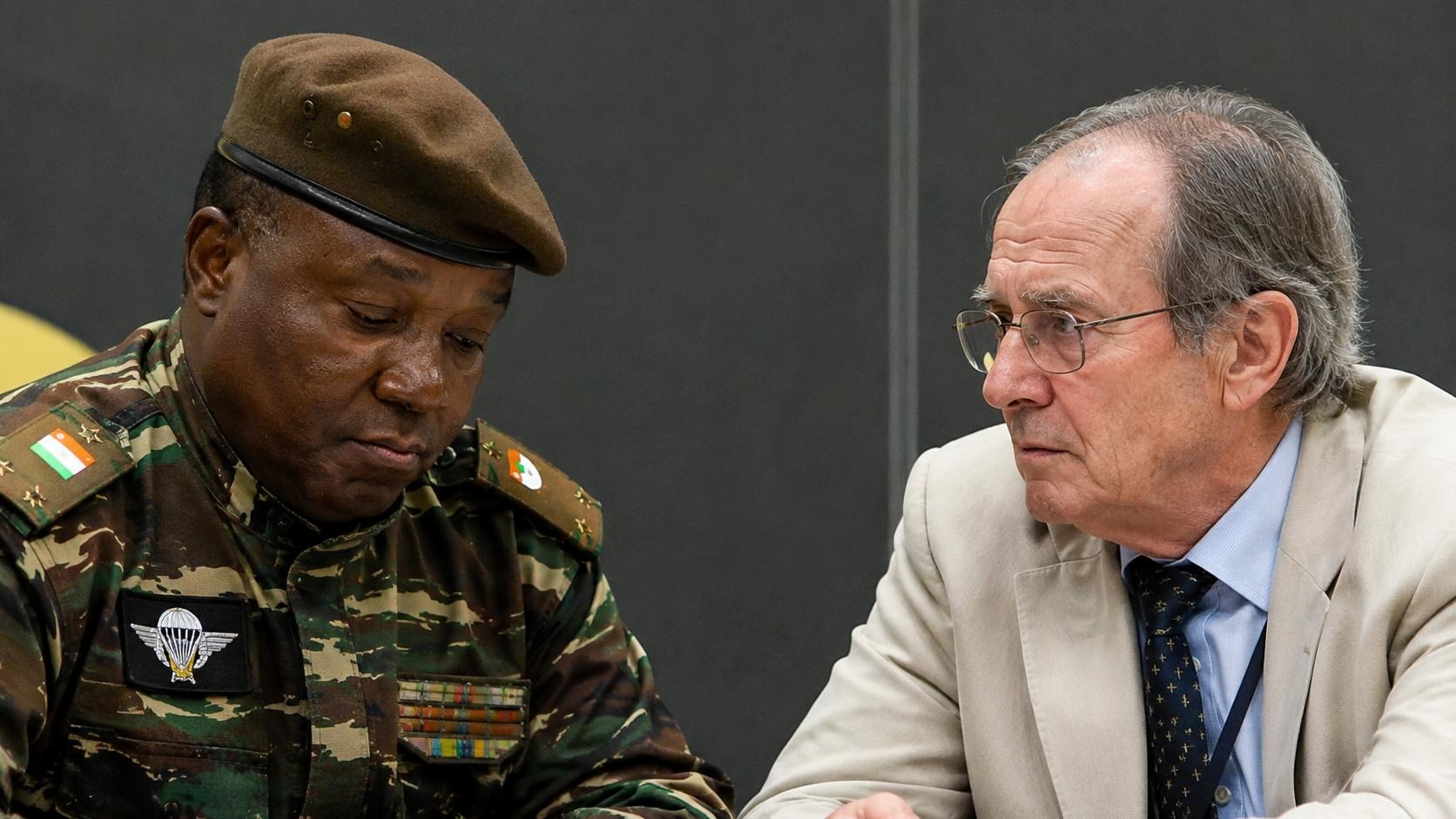
The regime’s claim that Niger played no part in Tigri’s escape is collapsing under scrutiny. Economic analyst and former Niger advisor Olivier Vallée has dismantled the official narrative by confirming Tigri’s presence on Nigerien soil during the critical hours following the failed coup.
Even more incriminating is the timing of Niger’s border policy. Authorities abruptly opened and then sealed the country’s frontiers in a suspiciously synchronized pattern—loosening controls the day before the coup attempt and slamming them shut immediately after. This coordinated border tampering suggests deliberate facilitation, with local actors likely providing safe passage to the fugitive before his disappearance.
While Vallée stops short of implicating Niamey’s central government in direct military support, the circumstantial evidence points to tacit approval if not outright protection. His assessment that Tigri has since fled to another Sahel Alliance member state—just not Niger—only deepens the mystery.
Diplomatic facade crumbles under factual weight
The regime’s attempts to project diplomatic normalcy have been shattered by these revelations. The staged attendance of Niger’s Prime Minister, Ali Lamine Zeine, at Benin’s presidential inauguration in May was meant to signal a fresh start. Yet the coup plotter’s passage through Niger exposes the hollowness of this rapprochement.
With Benin offering a 20-million-CFA reward for Tigri’s capture, Niger now faces a stark choice: own its role in harboring the fugitive or risk escalating regional distrust. The regime’s contradictory actions—border manipulations and clandestine shelter—have left it cornered, threatening to unravel even its most carefully constructed diplomatic facades.