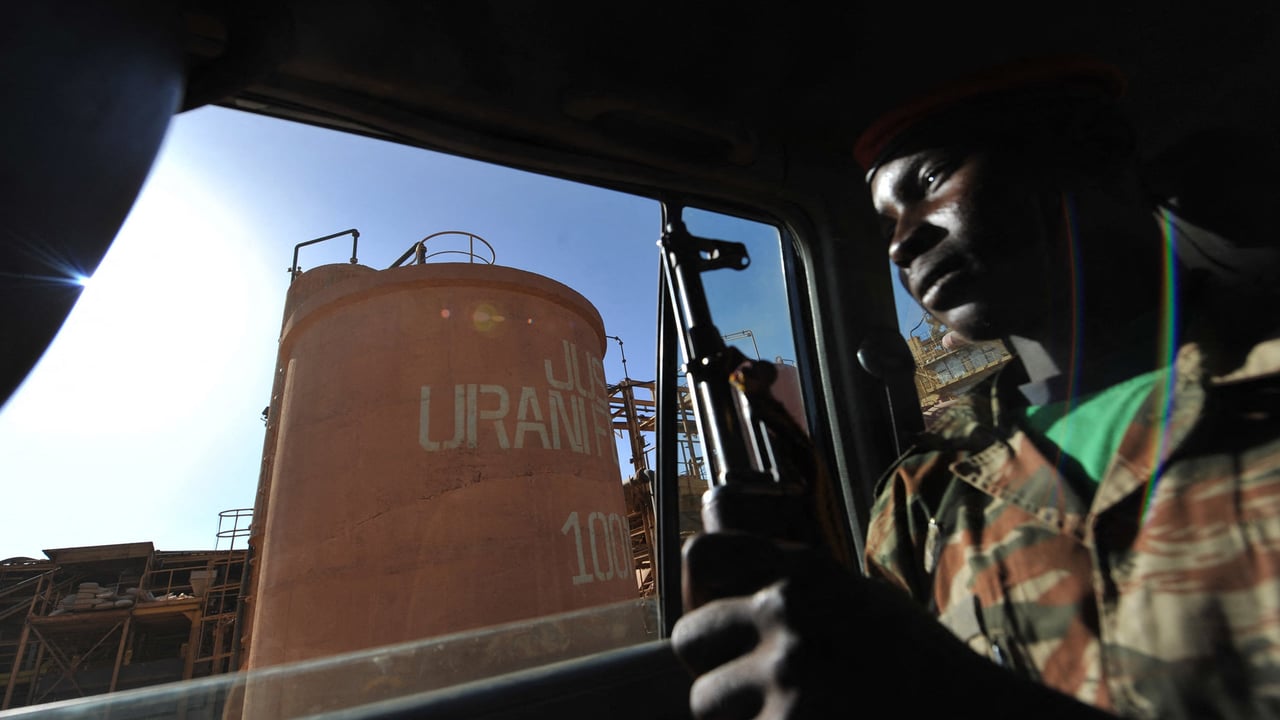

Arlit’s towering mining complexes once symbolized Niger’s economic backbone, but today, the nation’s uranium sector finds itself trapped in a paralyzing deadlock. Legal disputes and frozen trade agreements have brought exports to a near halt, leaving both government coffers and local livelihoods under severe strain.
Judicial gridlock halts uranium shipments
The country’s uranium industry, long a key revenue driver, now faces unprecedented judicial setbacks. Courts have suspended critical export licenses, citing regulatory violations and unresolved contractual disputes with international partners. These legal interventions have effectively blocked shipments from leaving Niger’s borders, leaving foreign buyers scrambling for alternative sources.
At the heart of the controversy lies a long-standing contract between Niger’s state-owned mining agency and Orano, the French nuclear giant. A series of lawsuits filed by local activists and corporate stakeholders have accused both parties of non-compliance with environmental and fiscal agreements. While Orano maintains its operations adhere to regulatory standards, opponents argue that decades of mining have left behind ecological scars without adequate compensation.
Economic fallout from stalled exports
The ripple effects of this blockade extend far beyond courtrooms. Niger, one of Africa’s poorest nations, relies heavily on uranium exports for nearly 70% of its foreign earnings. With mining operations grinding to a halt, budget deficits are widening, and essential public services face funding shortages. Government officials warn that prolonged inaction could plunge the national economy into deeper crisis, exacerbating unemployment and poverty levels.
Local communities near mining hubs like Arlit and Akouta are particularly vulnerable. These regions, already grappling with water scarcity and soil degradation, now confront rising unemployment as mining companies downsize operations. Residents who depended on mining jobs or ancillary services are left with dwindling options, pushing many toward economic desperation.
International players weigh in on Niger’s crisis
Foreign investors, once eager to tap into Niger’s uranium potential, are now adopting a cautious stance. European energy firms, including Orano, have scaled back operations pending legal clarity. Meanwhile, neighboring African nations with burgeoning nuclear ambitions—such as Bénin and the Democratic Republic of the Congo—are positioning themselves as alternative suppliers, further sidelining Niger in the regional market.
Diplomatic circles are also sounding alarms. International partners, including the African Union and the United Nations, have urged Niger’s transitional government to resolve the impasse swiftly. Failure to restore stability, they argue, could trigger a broader energy crisis across the continent, disrupting nuclear power programs reliant on Nigerien uranium.
Pathways out of deadlock
Despite the grim outlook, stakeholders are exploring potential solutions to break the stalemate. Negotiators from Niger’s mining ministry are engaging in mediation talks with Orano to renegotiate terms and address environmental grievances. Parallel efforts involve reviewing existing contracts to ensure compliance with both national and international regulations.
Civil society groups are pushing for stricter oversight to prevent future disputes. They advocate for transparent audits of mining operations and equitable revenue-sharing models that benefit local communities. Meanwhile, regional blocs like the Economic Community of West African States (ECOWAS) have offered technical assistance to help Niger modernize its mining governance.
For now, the future of Niger’s uranium industry hangs in the balance. Whether through judicial resolution, diplomatic intervention, or economic reform, the choices made in the coming months will determine whether this resource-rich nation can reclaim its position as a vital player in Africa’s energy landscape—or face irreversible decline.