Legal and political stakes for Pastef’s future
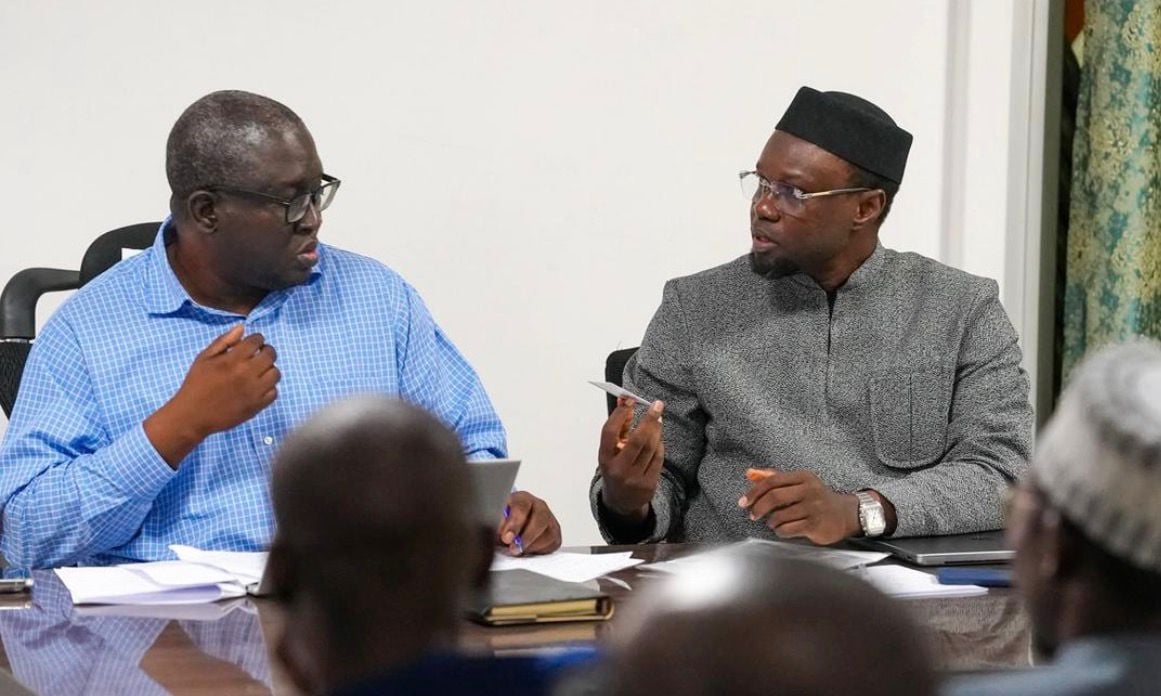
The question of whether Ousmane Sonko can maintain his leadership of the Pastef party is gaining traction as the 2026 congress approaches. The debate centers on the implications of Article 17, which has introduced new constraints that could reshape the party’s trajectory. Political analysts and legal experts are weighing in on how these changes might impact Sonko’s eligibility to remain at the helm.
Unpacking Article 17’s impact on Senegal’s opposition
The evolving legal landscape surrounding Article 17 has created a complex situation for Senegal’s opposition movement. While the article itself is not new, its interpretation in the context of party leadership has sparked intense discussions. Some argue that it could limit Sonko’s ability to continue leading Pastef, while others see it as an opportunity to redefine the party’s governance structure.
Key considerations for Pastef’s leadership
- Legal eligibility: The primary concern is whether Sonko meets the updated criteria set by Article 17 for party leadership.
- Political strategy: The party must decide whether to challenge these constraints or adapt its internal rules to comply.
- Internal cohesion: Past divisions within Pastef could resurface if the leadership question remains unresolved.
What’s next for Pastef and its leader?
As the 2026 congress draws nearer, the pressure on Pastef to clarify its position is mounting. Will Sonko find a way to retain his role, or will the party undergo a leadership transition? The answers will shape not only the party’s future but also Senegal’s political landscape in the coming years.