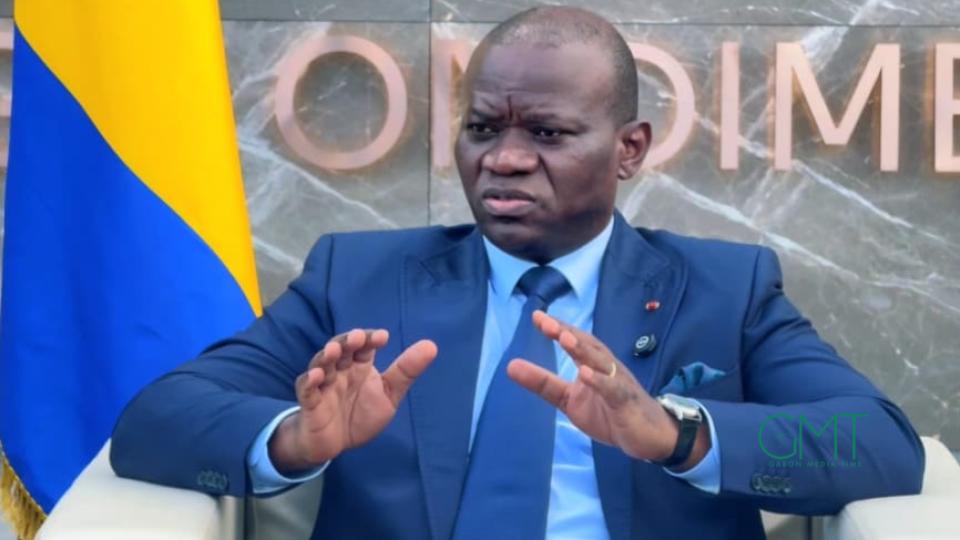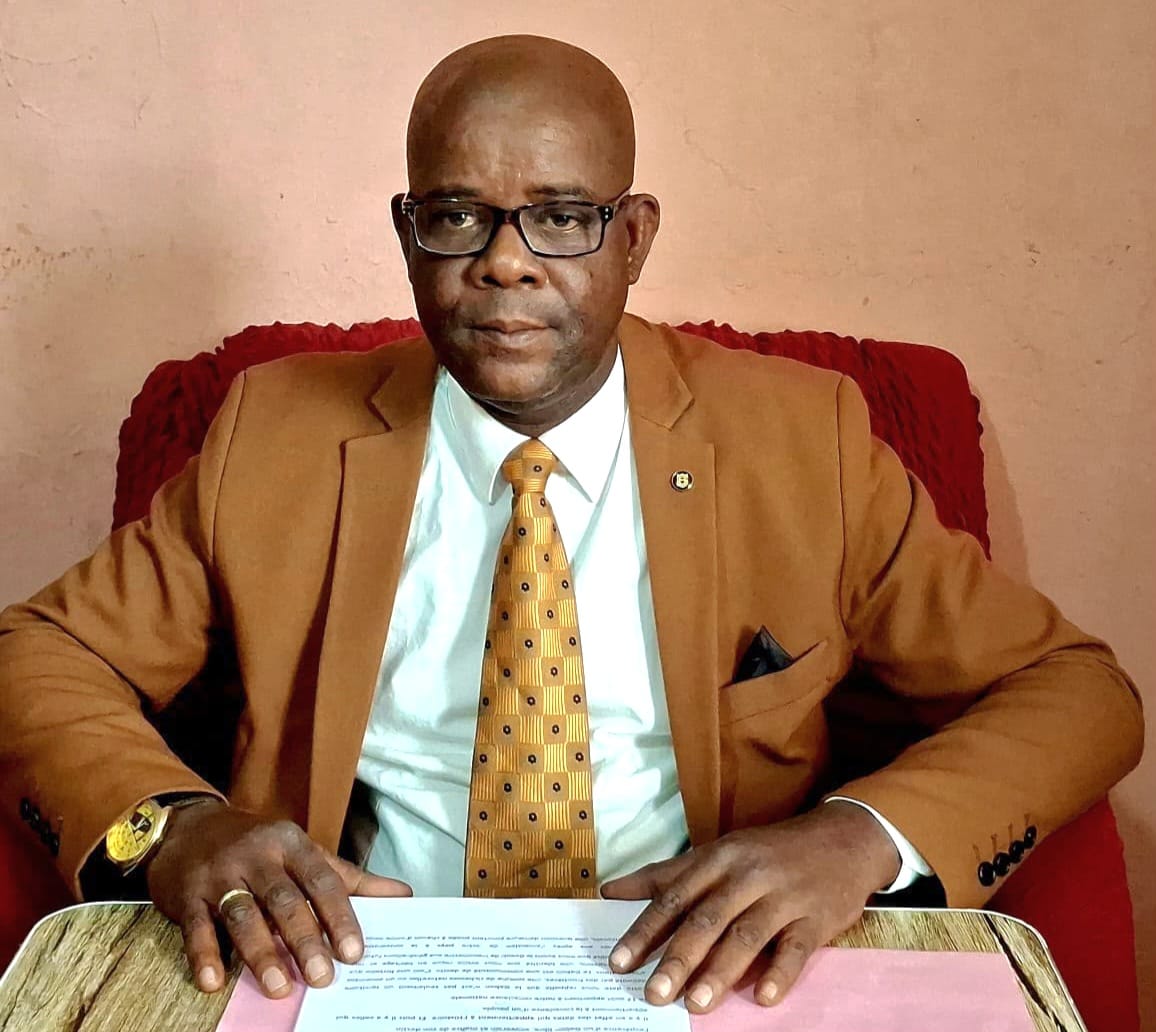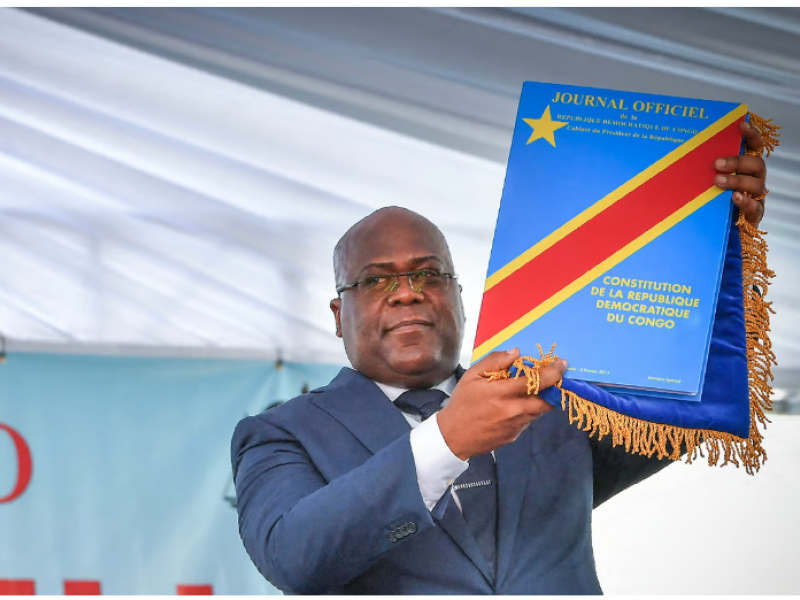
During a recent political forum, Prince Epenge, a prominent figure from C64, engaged in a robust debate with Christian Lumu, an executive from the UDPS party. Epenge systematically dismantled Lumu’s arguments advocating for a constitutional overhaul in the Democratic Republic of Congo.
“Positive achievements, but with a flawed constitution”
Prince Epenge initially highlighted what he perceives as a fundamental contradiction within the UDPS’s narrative. The party, he noted, simultaneously claims positive governance achievements while expressing strong disapproval of the existing constitutional framework. Epenge underscored the core purpose of a constitutional document: “to organize how power is acquired, exercised, and transferred,” explicitly stating it is not meant “to satisfy personal ambitions.” He further criticized Christian Lumu for failing to articulate the specific “realities” that would necessitate such a profound constitutional alteration.
The paradox of war declarations
Addressing the argument that “cumbersome procedures” hinder a swift declaration of war, Prince Epenge presented a direct counter-example. He recalled President Félix Tshisekedi’s own past declaration: “one bullet, not two, just one and I declare war.” Epenge then sarcastically questioned, “Was he unaware that the constitution outlined a lengthy process? Is Christian Lumu more astute than his father, Félix Tshisekedi?”
The most contentious aspect of Epenge’s address centered on Article 220, which safeguards the republican structure of the state. He argued that any discussion of revising this crucial article would inevitably pave the way for a monarchical shift. “In a republic, no one can wield any portion of power without the people’s mandate. However, in a kingdom, succession is monarchical,” he explained. He issued a stark warning: “We have every reason to fight to our last drop of blood to prevent the disappearance of the state’s republican form.”
Prince Epenge summarized his interpretation of the UDPS’s underlying motivation with a clear statement: “Everyone understands that the sole impetus driving the UDPS to amend the constitution is to secure the continued tenure of Mr. Félix Tshisekedi in power.”
Drawing upon his expertise as a political scientist trained at the University of Kinshasa, Epenge championed the constitution as a vital “compromise” forged during the Sun City agreements. This foundational document, he stressed, was designed to resolve decades-old debates concerning federal versus unitary state structures and presidential versus parliamentary governance. He referenced the 2005 referendum, which he noted was adopted with “61% of votes and a participation rate exceeding 84%.” He then pointed out an inconsistency: “The Union Sacrée coalition is comprised of 80% former belligerents. Yet, you claim positive outcomes with these very individuals.”
In the most assertive segment of his presentation, Prince Epenge challenged Christian Lumu to pinpoint specific constitutional provisions that would justify a revision. “Let him provide me with five articles, precisely, that prevent Mr. Tshisekedi from providing water to Congolese citizens, from supplying electricity […] five articles that prevent Félix Tshisekedi from declaring war […] five articles of the constitution that prevent Mr. Tshisekedi from offering scholarships to students,” Epenge demanded. He additionally condemned certain governance practices which, in his view, are not mandated by any legal text: “When state funds enter the coffers […] let’s first share among ourselves, leaving mere crumbs for the people. Did the constitution inspire such a mafia-like approach?”
Prince Epenge concluded by labeling the UDPS’s proposed constitutional changes as “suicidal and fratricidal,” warning that such actions risk the “balkanization of the country.” He cautioned that revising the constitution with every political transition would transform Congo into a nation “with a new constitution every five or ten years.” He invoked historical parallels, referencing the “thirteen parliamentarians” who, during the Mobutu era, decried the concentration of power in a single individual’s hands. He also recalled Cardinal Mossengo’s powerful 2016 statement: “the mediocre must go.” His final assertion resonated strongly: “The Congolese constitution is operational; it is functional. The problem lies with the man.”