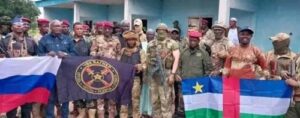
The Movement of Central African Patriots (MPC) is facing unprecedented internal strife as Russian-backed mercenaries have officially entered the fray, transporting key figures Didot Ali and his successor to Bossangoa. This escalation marks a significant shift in the group’s dynamics, raising concerns over the group’s future direction and regional stability.
Russian involvement reshapes MPC leadership dynamics
The presence of Russian mercenaries within the MPC signals a new chapter for the armed group, which has long been a prominent player in the Central African Republic’s volatile security landscape. Didot Ali, a long-standing leader, and his successor were relocated to Bossangoa under heavy escort, highlighting the group’s evolving alliances and external influences.
The move comes amid growing speculation about the MPC’s shifting allegiances and the increasing role of foreign actors in shaping the conflict’s trajectory. Insiders suggest that the mercenaries’ involvement is not merely logistical but strategic, potentially altering the balance of power within the MPC and across the region.
Bossangoa: A flashpoint in Central Africa’s security crisis
Bossangoa has emerged as a critical battleground in the Central African Republic’s ongoing turmoil, with the MPC’s relocation there underscoring the town’s strategic importance. The move has drawn attention to the broader implications of foreign intervention in the country’s internal affairs, particularly as Russian mercenaries deepen their footprint.
Analysts warn that the mercenaries’ presence could exacerbate tensions, not only within the MPC but also with rival factions and neighboring states. The relocation of key leaders to Bossangoa may also signal a broader strategy to consolidate control over strategic territories and resources.
Unanswered questions and rising tensions
Several critical questions remain unanswered as the situation unfolds. What are the long-term objectives of the Russian mercenaries within the MPC? How will this development impact the group’s cohesion and operational capacity? And what does this mean for the Central African Republic’s fragile peace process?
The answers to these questions will have far-reaching consequences, not just for the MPC but for the entire region. As the mercenaries’ involvement becomes more entrenched, the stakes for stability in Central Africa grow ever higher.