How the Sahel crisis in Mali is reshaping Europe’s security and migration challenges
Why Mali’s recent attacks signal a deepening crisis
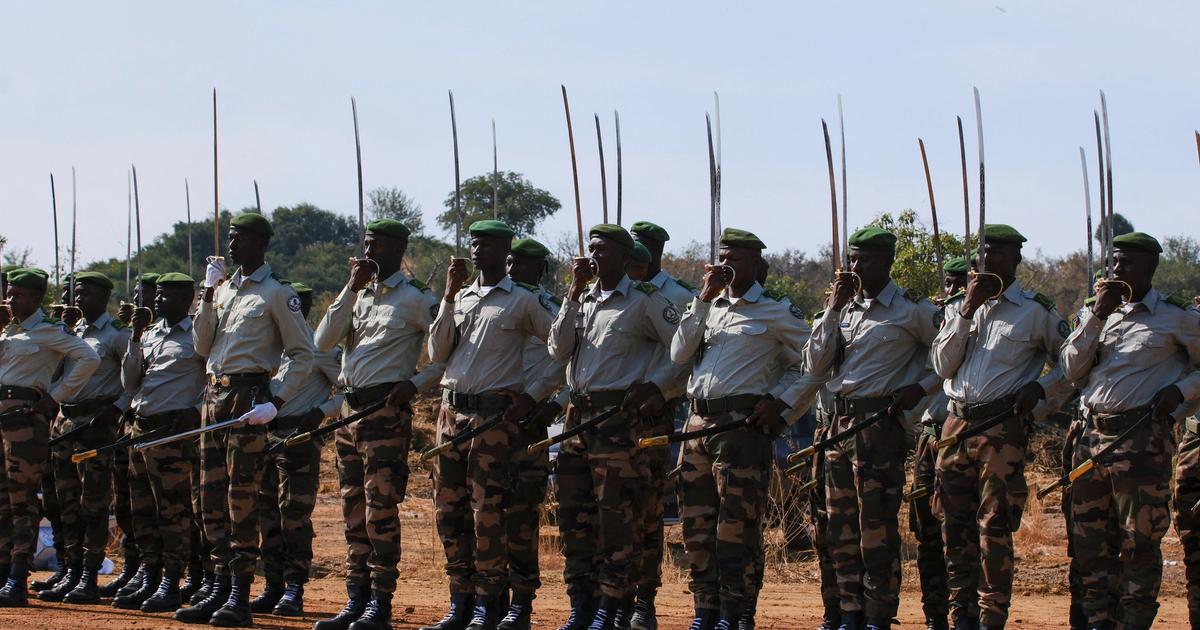
In a dramatic escalation, Mali’s Moscow-backed military government faces existential threats after coordinated attacks by jihadist groups and Tuareg rebels. These assaults resulted in the death of the defense minister and forced Russian mercenaries to withdraw from northern regions, exposing the junta’s vulnerabilities. The fallout from these events could extend far beyond Mali’s borders, potentially destabilizing the entire Sahel—a region already grappling with extreme volatility.
Economic and geopolitical pressures fueling displacement
The crisis in Mali isn’t isolated. Fuel price spikes stemming from regional conflicts, including the war in Iran, are worsening economic hardships in this landlocked nation. With imports becoming unaffordable and state institutions weakened by years of coups (2020 and 2021), life for many Malians has become unbearable. This dire situation is pushing more people to seek safety abroad, with European nations bracing for increased migration flows at a time when the eurozone is already struggling with low growth and high inflation.
Migration routes and regional spillover risks
The Sahel’s porous borders make it a hotspot for displacement, with instability spreading to neighboring countries like Burkina Faso and Niger. Jihadist groups, now emboldened, are expanding into Gulf of Guinea nations such as Benin and Togo—key trade hubs with stronger global connections than the Sahel’s landlocked states. This cross-border chaos is creating a perfect storm for migration, with Malians already ranking among the top nationalities arriving in Spain’s Canary Islands, a critical transit point to Europe, according to Frontex data.
Economic competition and social strain in West Africa
Millions of Malians and Burkinabe workers have already relocated to Senegal and Côte d’Ivoire to escape conflict, and more are expected to follow. This influx intensifies competition for jobs in these former French colonies, exacerbating social and economic tensions. The strain on resources and infrastructure in host nations could further destabilize the region, compounding the challenges posed by insurgency and climate-induced hardships.
Security vacuum and criminal networks thrive
A weakened central government in northern Mali risks creating a power vacuum, which could be exploited by arms dealers, drug traffickers, and human smugglers. These criminal networks operate along smuggling routes that stretch from sub-Saharan Africa through Mali and Niger, ultimately funneling migrants toward Libya and Mauritania before reaching Europe. The absence of state control in vast areas of the Sahel is emboldening jihadist groups to establish training camps, particularly in the north, raising alarms in neighboring Algeria.
What’s next for Mali and the Sahel?
While Bamako remains under government control for now, the junta’s grip on power is tenuous. Jihadists, though currently unable to seize the capital, continue to expand their reach across the countryside in Mali and Burkina Faso, targeting major cities with increasing boldness. The international community, from West African governments to European policymakers, must closely monitor the situation. The Sahel’s instability is not just a regional issue—it’s a global concern with far-reaching implications for security, migration, and economic stability.
A call for urgent action
The interplay between insurgency, economic collapse, and geopolitical shifts in the Sahel demands coordinated responses. Without intervention, the crisis could spiral further, deepening Europe’s migration challenges and amplifying security threats. Governments across Africa and Europe must collaborate to address the root causes of instability and prevent the region from becoming a permanent hotspot for conflict and displacement.