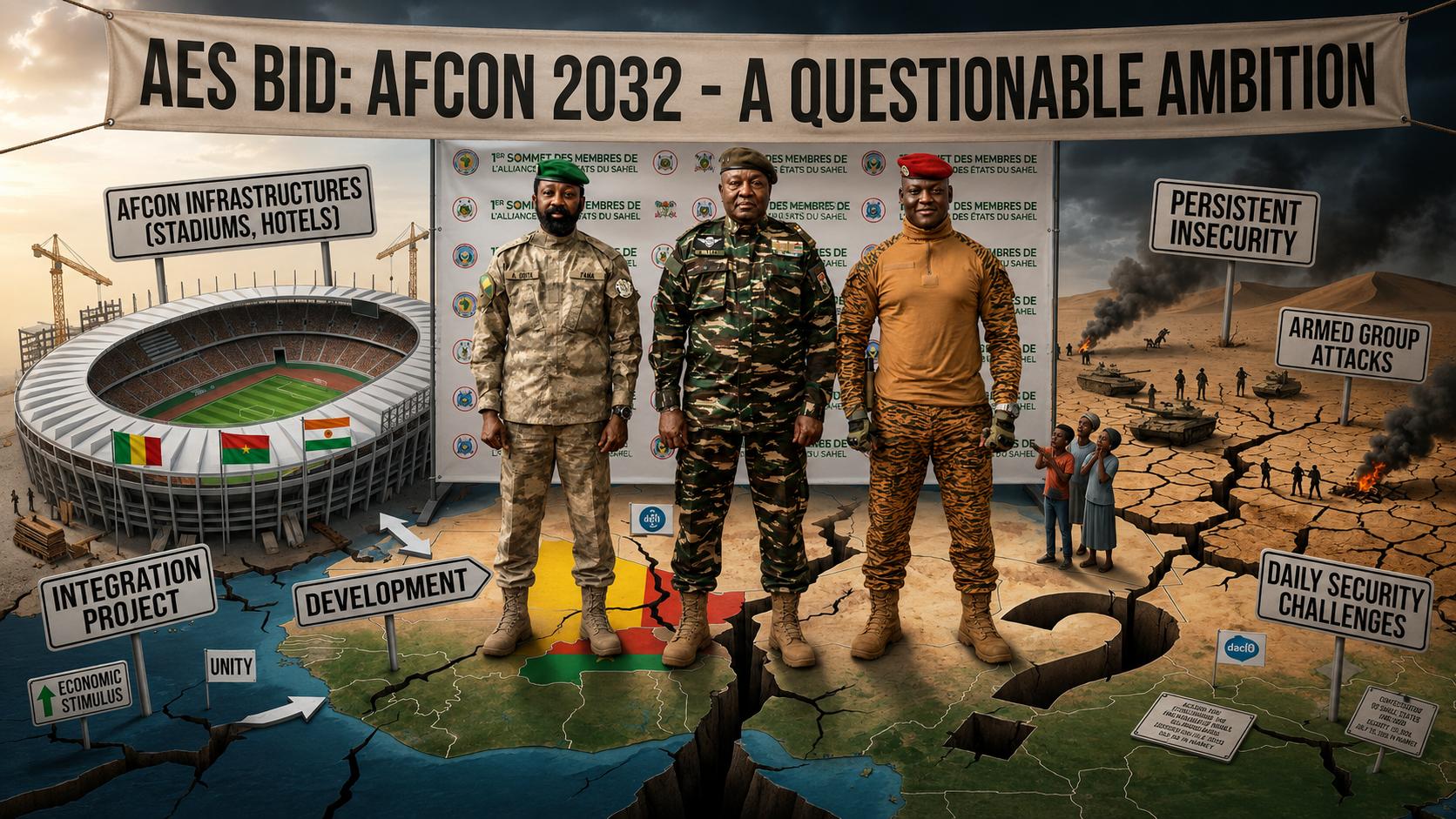
The governments of Burkina Faso, Mali and Niger have jointly submitted their bid to host the 2032 Africa Cup of Nations (CAN), positioning the initiative as a symbol of unity within the Alliance of Sahel States (AES). While framed as a bold step toward regional integration, the proposal has sparked debate over whether these nations currently meet the essential criteria for hosting Africa’s premier football tournament.
security challenges overshadow sporting ambition
Hosting the CAN is not merely about stadiums and infrastructure—it demands an environment capable of ensuring the safety of athletes, officials, media personnel, fans and the thousands of visitors expected over weeks of competition. Yet the security landscape in these three countries remains fraught with persistent threats.
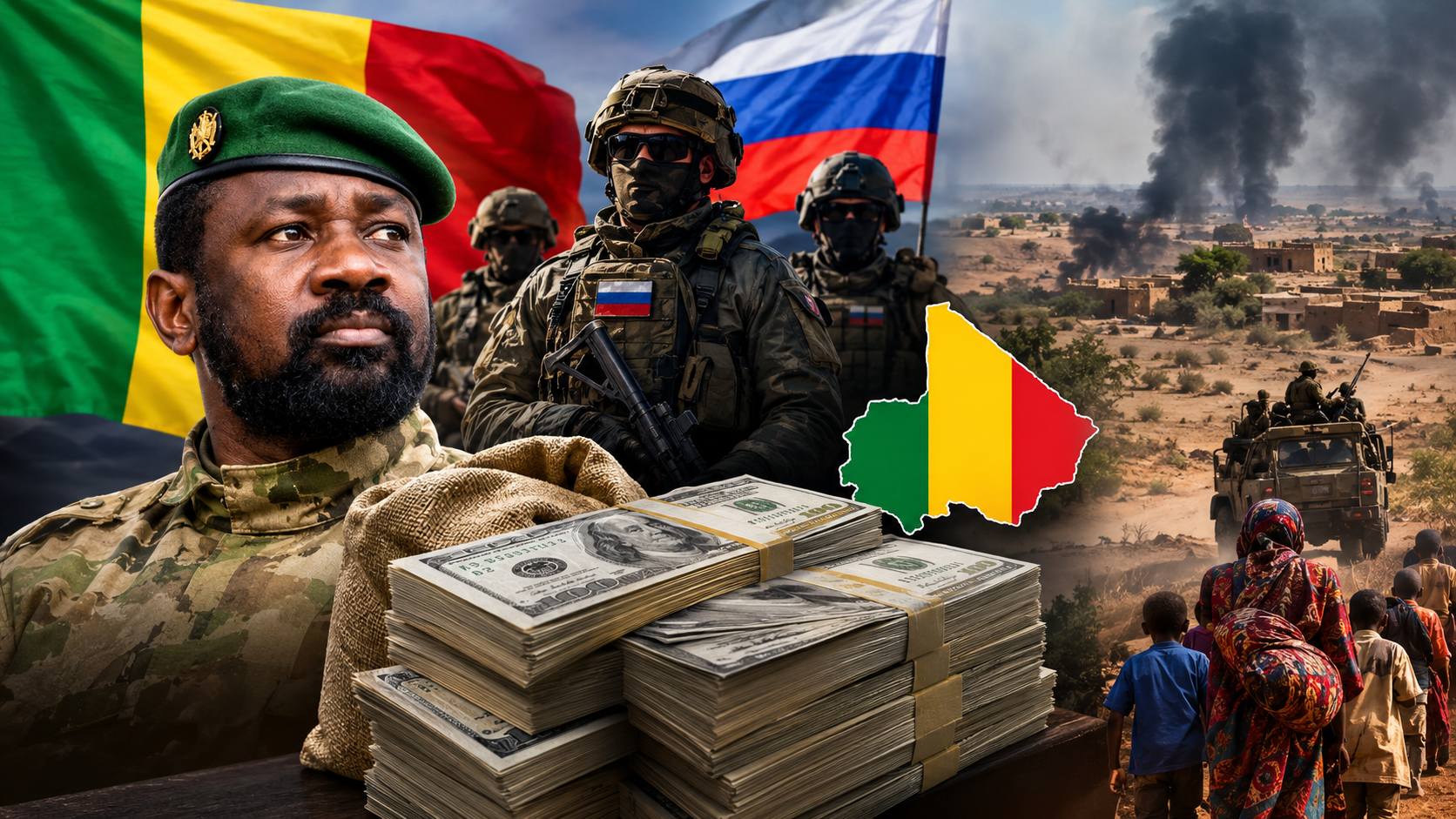
Since military-led transitions took power in each nation, restoring stability has been the central justification for these changes. However, attacks on civilians, security forces and critical infrastructure continue unabated across large swathes of the region. Many communities still face severe insecurity, raising doubts over whether such conditions are compatible with hosting a high-profile international event.
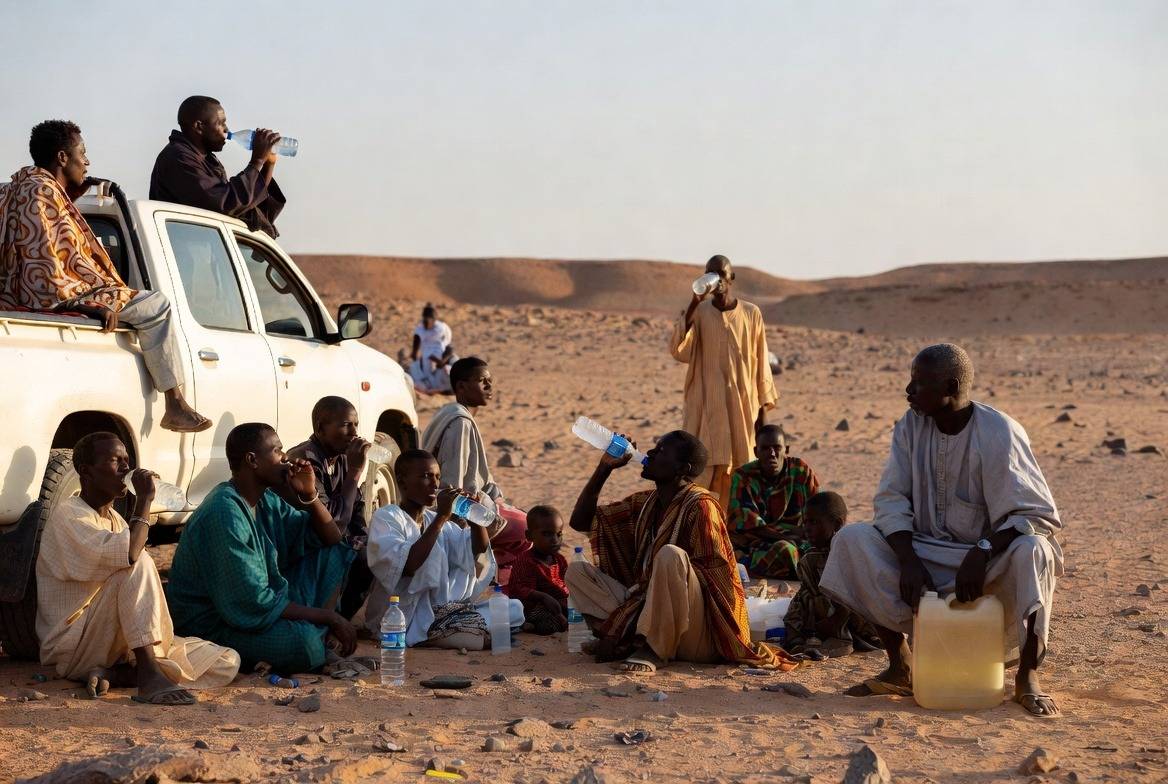
Critics argue that announcing a bid for the CAN at this stage may be premature. With internal displacement, travel restrictions and recurring violence, the immediate focus should logically remain on protecting local populations rather than courting global attention.
logistical hurdles and financial strain
Beyond security, the logistical demands of the CAN are immense. Organizers must secure reliable transport networks, expand airport capacities, develop hotel infrastructure, ensure medical readiness and deploy robust security measures. These requirements come with substantial costs—funds that the three countries are already heavily allocating to counterinsurgency efforts.
The international community, including football federations, sponsors and broadcasters, prioritizes stability when evaluating hosting bids. Any perception of ongoing instability could undermine the viability of the candidature, potentially deterring key stakeholders from committing to the project.
credibility hinges on tangible results
The initiative has reignited discussions about national priorities. For many citizens, the overriding expectation from military-led governments was improved safety and security. Yet challenges persist in multiple regions, prompting questions about the effectiveness of current strategies.
Some analysts contend that Burkina Faso, Mali and Niger should first demonstrate lasting improvements in security, governance and stability before pursuing a continental sporting event. A CAN bid, while potentially unifying, loses credibility without solid assurances for participants and local populations alike.
While a CAN hosting opportunity could serve as a catalyst for development, its success depends not on political rhetoric but on the tangible restoration of order, institutional resilience and public trust. Until these core challenges are addressed, skepticism will persist regarding whether the timing—and indeed, the wisdom—of such a bid is justified.