Senegal’s political tensions flare as former president Macky Sall lands in Dakar
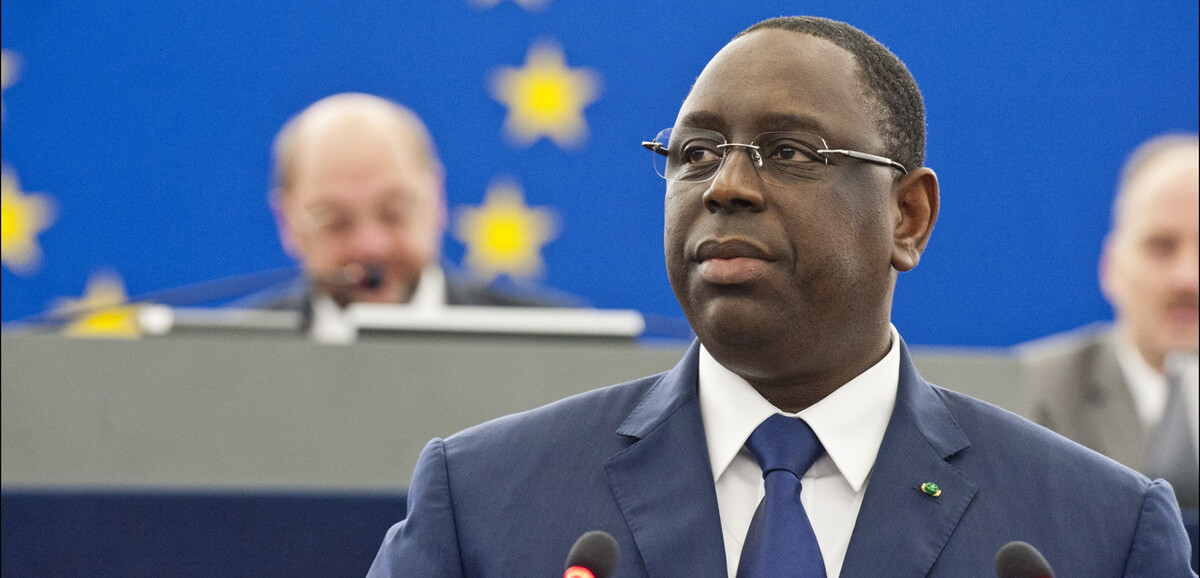
Former Senegalese president Macky Sall is set to return to Dakar this Friday, July 17, for a high-stakes meeting with his successor, Bassirou Diomaye Faye. The visit has ignited fierce debate across the country, with critics condemning it as an affront to justice for victims of state repression between 2021 and 2024.
Demands for accountability overshadow the president’s homecoming
A coalition of civil society groups has condemned the timing of Sall’s arrival, calling his visit “an insult to the memory of the deceased”. Boubacar Sèye, a prominent activist, declared, “This is not just a homecoming—it’s the return of a leader whose legacy is forever stained by one of Senegal’s darkest chapters.” The collective is demanding a full investigation into the dozens of deaths recorded during the 2021-2024 protest crackdowns, insisting that justice cannot be delayed any further.
Political divisions deepen over the former president’s reception
While opposition figures and victims’ families express outrage, the ruling party, Alliance pour la République (APR), is mobilizing to welcome Sall with large-scale rallies. A senior APR official stated on social media that the party expects its supporters to turn out in force to greet the former president upon arrival. Sall has confirmed that his stay will be brief, emphasizing that he will depart immediately after his meeting with Faye.
Guy Marius Sagna, a lawmaker from the ruling coalition, sharply criticized the planned encounter. “Extending an invitation to Macky Sall is an insult to the victims and their families,” he stated. “It’s a slap in the face to justice.”
UN secretary-general bid adds complexity to the visit
The controversy surrounding Sall’s return comes as he vies for the top post at the United Nations. His candidacy, backed by Burundi during its tenure as chair of the African Union, has drawn criticism, particularly as it was not officially endorsed by Senegal’s current government. Despite the political storm, Senegal’s presidency has remained silent on the matter.
The country’s minister of armed forces, Yankhoba Diémé, sought to downplay the controversy, asserting that Sall’s presence was merely “a routine return to his homeland as a private citizen.” He further argued that Sall, who left office in April 2024, “faces no legal charges or convictions,” framing the visit as a personal matter rather than a political one.
The nation now watches closely as Dakar prepares to host a figure whose legacy remains deeply divisive—a moment that could further strain the fragile balance between reconciliation and accountability in Senegal.