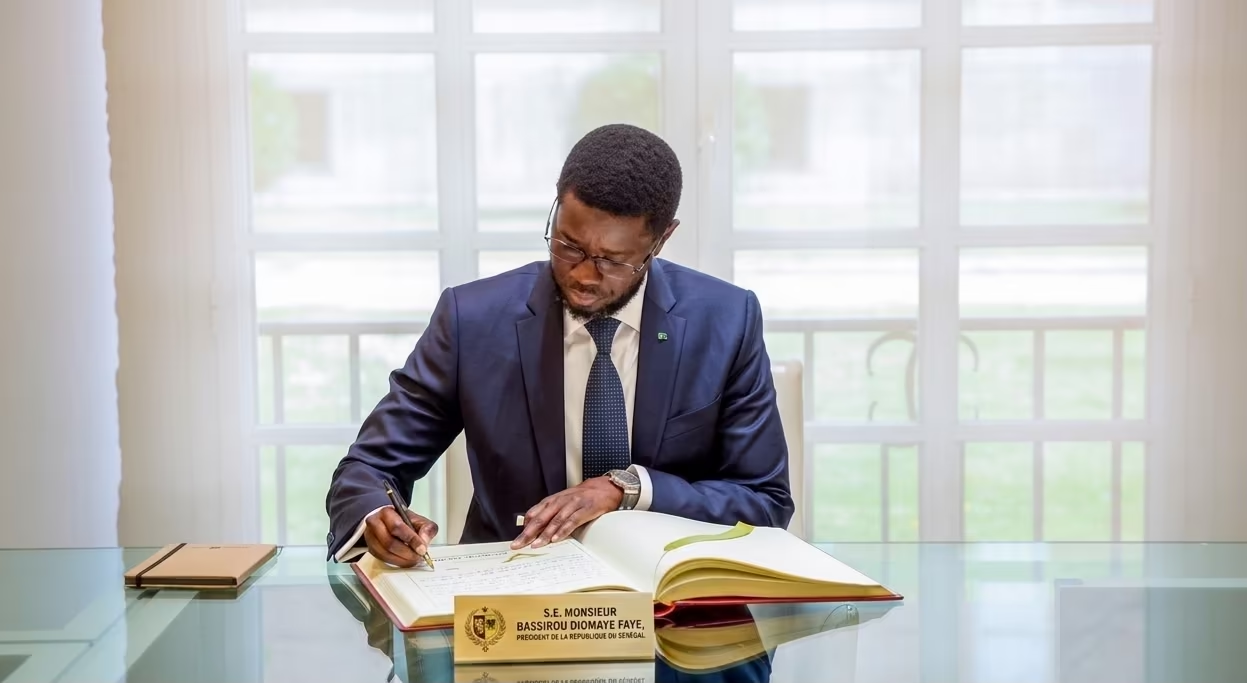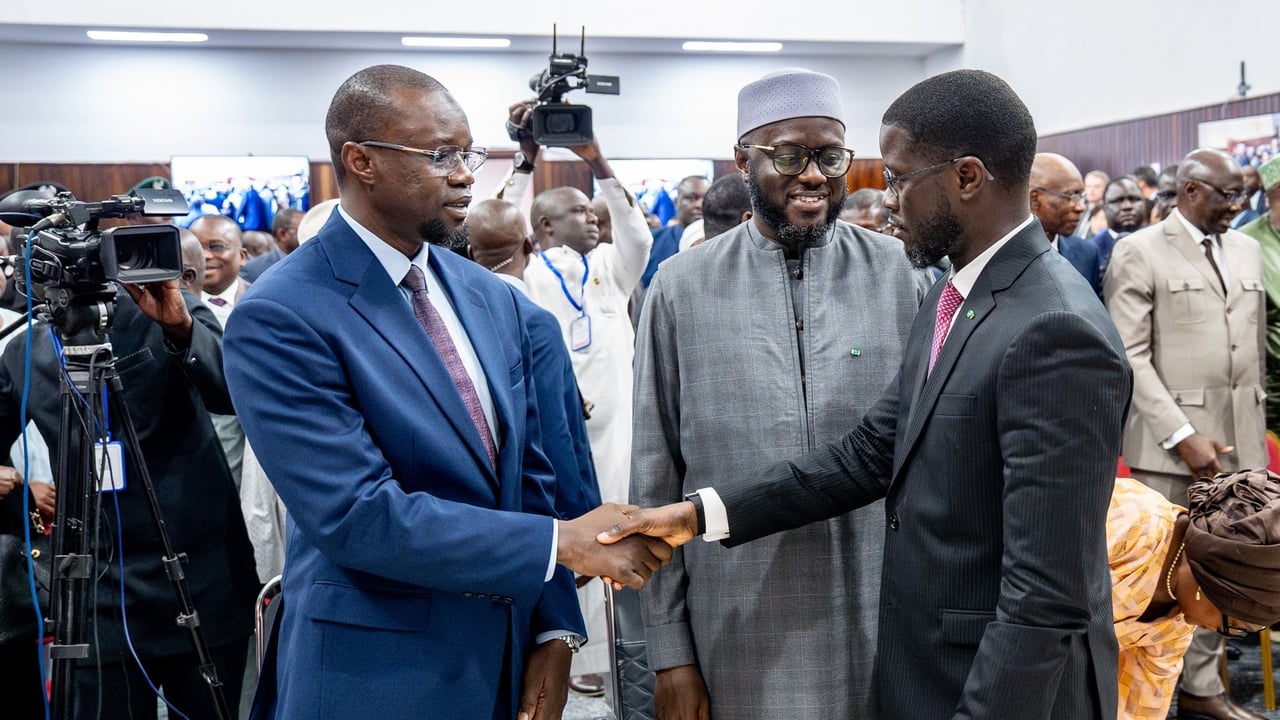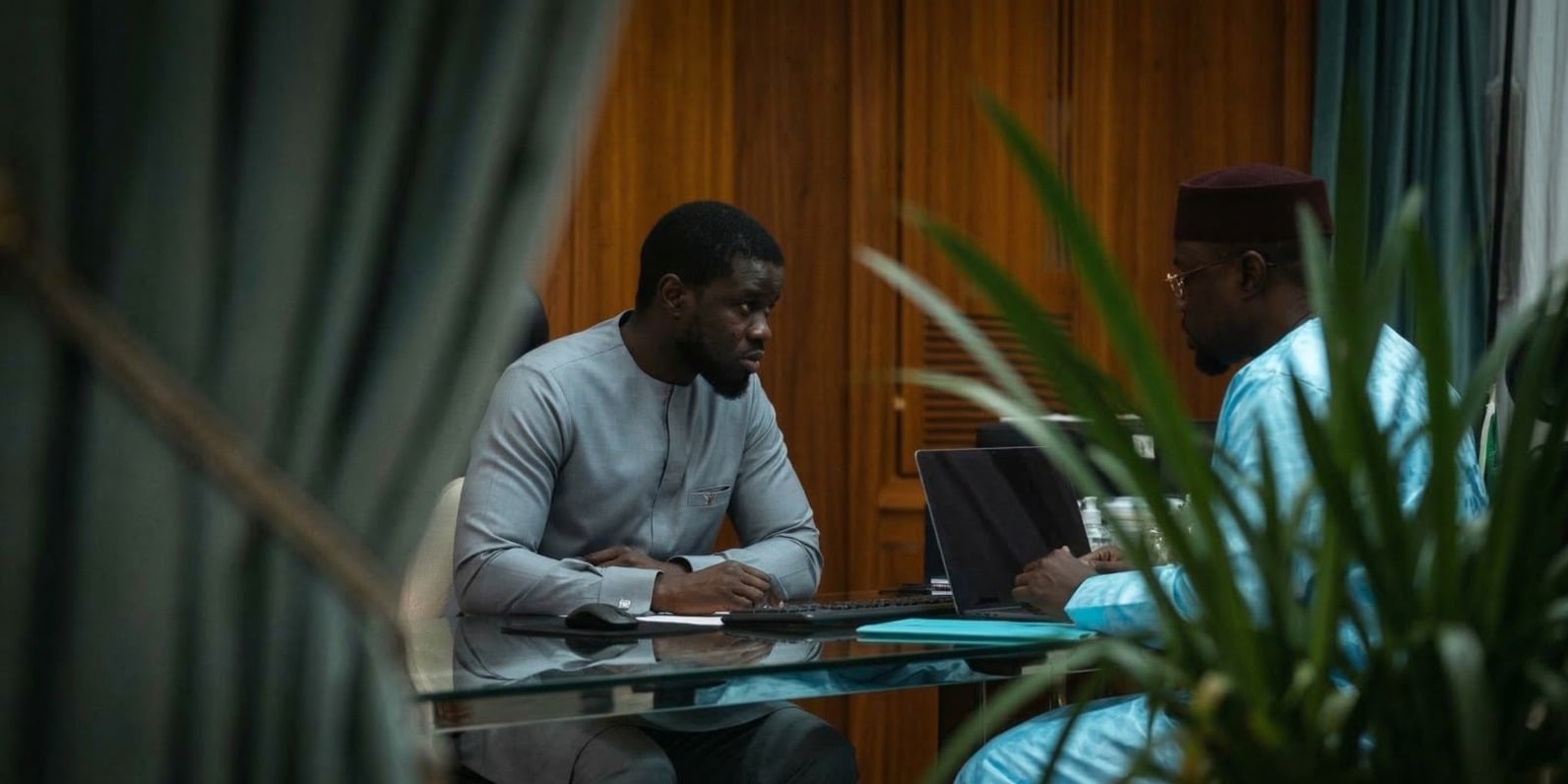
President Bassirou Diomaye Faye reshuffles Senegal’s leadership
In a decisive move reshaping the nation’s political landscape, President Bassirou Diomaye Faye has terminated the mandates of Prime Minister Ousmane Sonko and his entire government. The announcement has sparked intense debate about the future direction of Senegal’s governance and its broader implications.
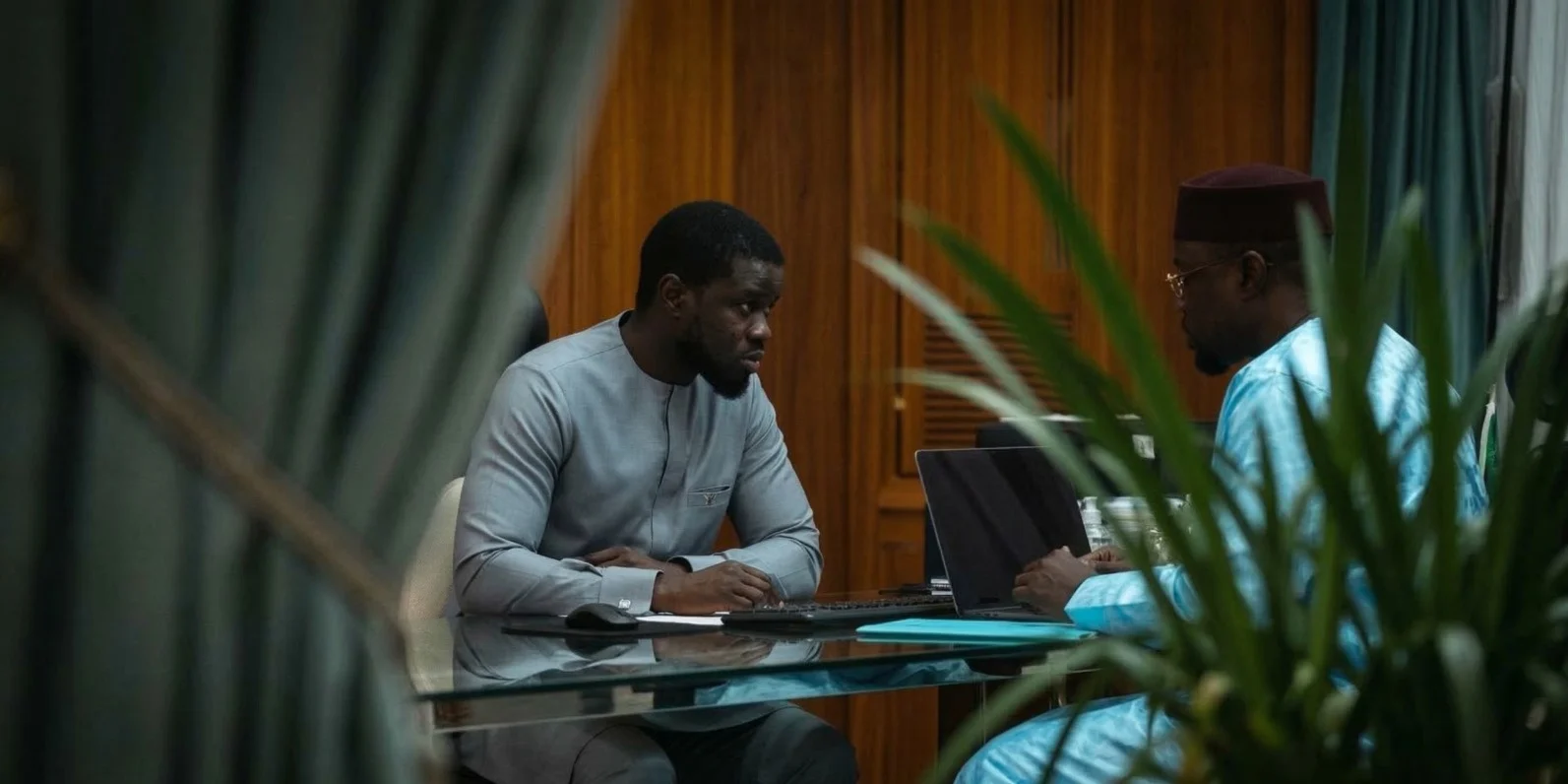
What this political shift means for Senegal
By relieving Ousmane Sonko of his duties as head of government and dissolving the cabinet, President Bassirou Diomaye Faye has taken a bold step that will redefine the country’s political trajectory. The move comes as the nation faces pressing challenges in governance, economic stability, and public trust. Observers are closely monitoring how this reshuffle will impact policy implementation and national cohesion moving forward.
Immediate reactions and next steps
The decision has already triggered discussions across political circles and civil society. While some view it as a necessary correction to realign leadership with the administration’s goals, others question the timing and potential consequences for ongoing projects. The president’s office has yet to disclose further details about the selection of a new prime minister or the formation of a successor government, leaving many speculating about the road ahead.
Public and institutional response
The announcement has also prompted reactions from various sectors. Political analysts are dissecting the implications for Senegal’s democratic process, while citizens express a mix of curiosity and concern. Institutions are preparing for the transition, with expectations high for transparency and continuity in state functions during this period of change.