Parliament delivers third strike against revised budget, exposing deep cracks in governance
The Senegalese government suffered a historic legislative blow on November 3, 2026, when the National Assembly formally rejected the Revised Finance Law (LFR) for a third time. The crushing defeat marks a decisive turning point in Senegal’s political landscape, where executive ambitions collided head-on with parliamentary resistance, leaving the nation’s fiscal future in unprecedented limbo.
The vote not only blocks critical budget adjustments demanded by Finance Minister Cheikh Diba, it signals a fundamental breakdown in trust between the presidency and the legislative majority. With two prior rejections at the Finance and Budget Oversight Committee level, this third failure closes the door on short-term fiscal maneuvering and forces both branches into uncharted confrontation.
From technical disagreement to institutional standoff: uncovering the root causes
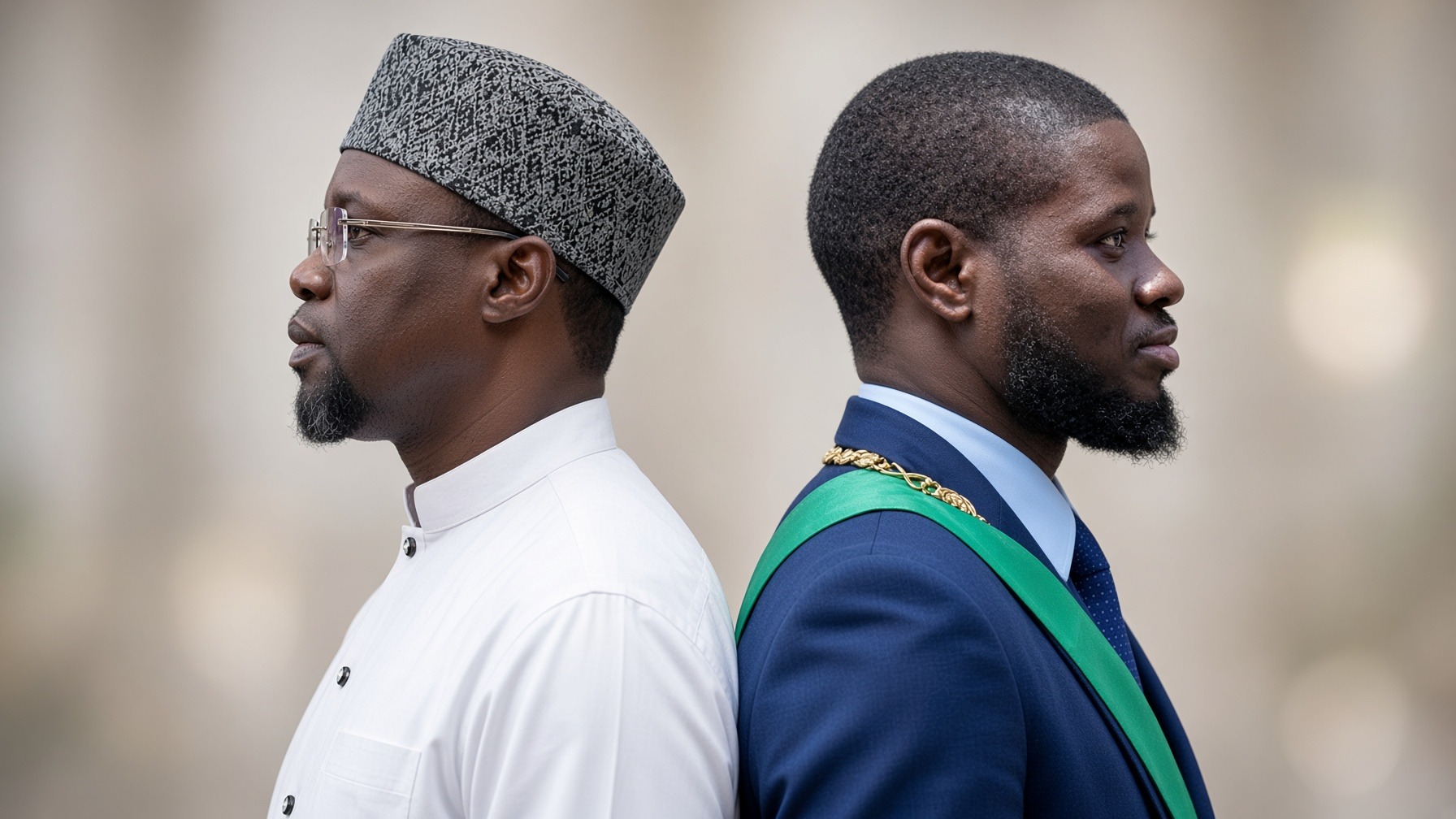
This persistent rejection is far more than a routine policy dispute—it is the culmination of a widening schism within the governing coalition. At its heart lies a clash between President Bassirou Diomaye Faye and Prime Minister Ousmane Sonko, whose party—Pastef—holds the parliamentary majority.
-
The internal power struggle: when party loyalty fractures
The most explosive development came when Sonko publicly instructed the Pastef caucus to oppose the bill, directly defying the president’s economic roadmap. In fiery televised statements, he accused the government of imposing policy “without dialogue and without concession,” while parliamentary leaders vowed to uphold their role as a check on executive overreach.
-
Fiscal red flags: transparency, debt, and social cuts
- Deep social funding cuts: The Finance Committee condemned sweeping reductions totaling 555 billion FCFA slashed from critical sectors—health centers, school construction, sanitation programs, and public housing—prompting accusations of abandoning vulnerable citizens.
- Debt opacity and special funds: Lawmakers demanded full disclosure of loan conditions, audit reports, and the management of off-budget accounts, citing a lack of parliamentary oversight.
- Stubborn deficit target: Despite ministerial concessions and promises of amendments, the government maintained a deficit ceiling of 1,735.2 billion FCFA (7.6% of GDP), a threshold critics called dangerously rigid in the face of economic uncertainty.
-
Verbal warfare escalates as compromise collapses
The tone grew increasingly hostile as officials and MPs traded barbs through national media. While the Prime Minister warned of “punishing the people,” parliamentary leaders emphasized their constitutional right to scrutinize spending, rejecting any role as a rubber-stamp assembly.
After three rejections: what comes next?
The legislative deadlock leaves the government with limited options, each carrying major risks:
- Constitutional loophole gambit: The cabinet may resort to emergency mechanisms—such as Article 86 of the Constitution—to enact the budget by decree or provisional twelfths, risking accusations of authoritarian overreach.
- Political retaliation looms: In response, parliamentary leaders have not ruled out extraordinary measures, including a potential vote of no confidence, which would plunge the nation into deeper instability.
- Economic fallout intensifies: Treasury officials have cautioned that prolonged paralysis could delay international financial aid, budgetary support disbursements, and delayed payments to state-linked contractors, threatening economic growth and job security.
Turning crisis into consensus: is a breakthrough possible?
The impasse now demands bold statesmanship from both sides. To restore confidence, the government must prioritize transparency by publishing full debt audits and revisiting social sector investments. Meanwhile, parliamentary leaders—especially within Pastef—must clarify whether their opposition stems from genuine policy differences or political rivalry. Without mutual concessions, Senegal risks not just a budget freeze, but a lasting erosion of democratic stability.