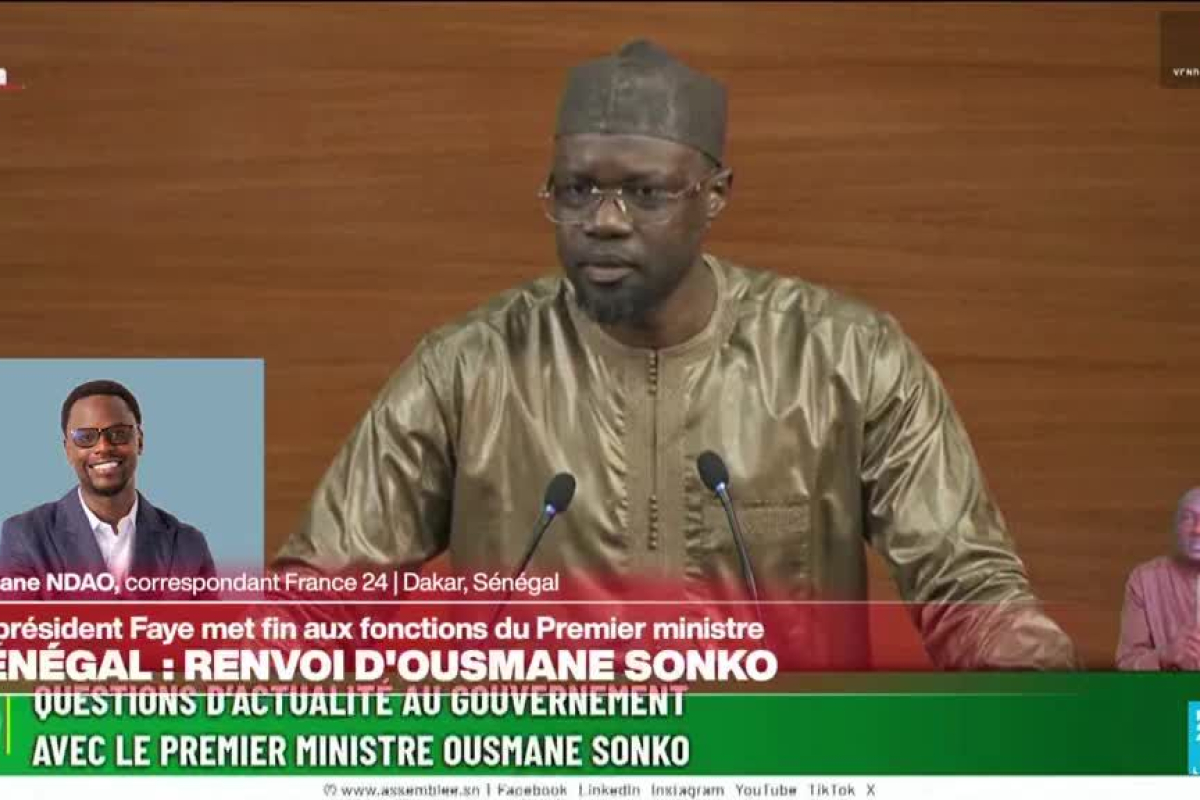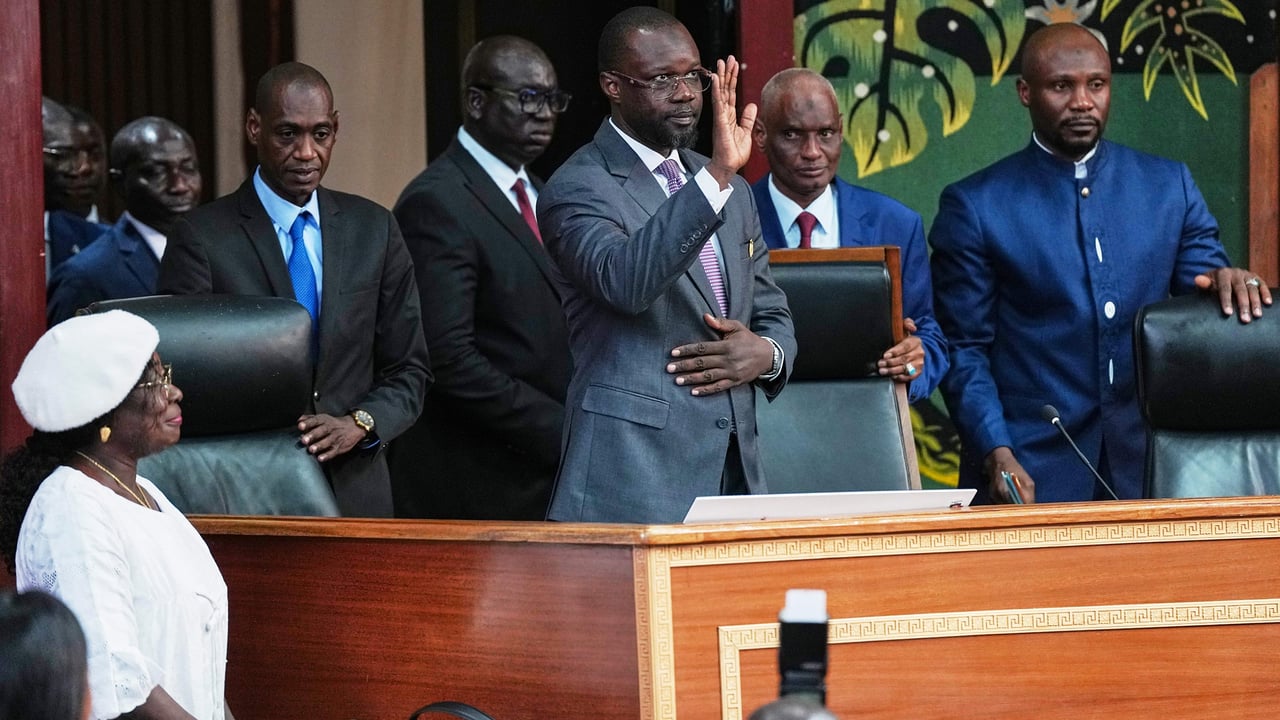
Senegal’s political scene is currently undergoing a significant transformation, marked by an intense power struggle between President Bassirou Diomaye Faye and Ousmane Sonko. Both figures were instrumental in bringing the Pastef party (African Patriots of Senegal for Work, Ethics, and Fraternity) to power in March 2024, championing a project of radical change. The recent dismissal of Sonko from the Prime Minister’s office, followed by his return to the National Assembly and subsequent election as its Speaker, has ushered in an unprecedented era for Senegal.
This unfolding narrative pits a president, who wields substantial constitutional authority, against a political leader widely popular within his party and commanding a significant parliamentary majority. The intricate interplay of these forces is testing the very foundations of Senegalese governance.
What does the Diomaye-Sonko crisis reveal about power in Senegal?
Indeed, it is appropriate to term the current situation a crisis, especially given that it involves the Head of State and his former Prime Minister, who now presides over the National Assembly. The Diomaye-Sonko dynamic highlights inherent challenges in the exercise of power within the nation.
Historically, with the exception of the immediate post-independence years (1960-1962), the Senegalese model has largely operated as a presidential system where the ruling party also held a parliamentary majority, ensuring executive dominance. Today, however, we observe a de facto cohabitation. It is still premature to draw definitive conclusions, as events continue to unfold rapidly. Nevertheless, this period serves as a crucial test for the resilience of Senegal’s political system and its capacity to navigate such profound challenges. It is precisely during these moments of crisis that a system’s true strength and adaptability are revealed.
Like any transition of power, this situation offers an opportunity to assess the robustness of Senegal’s political framework. Can the system effectively accommodate a genuine division of power at the highest levels? Or does it inherently favor a strong, unified power structure encompassing both the executive and legislative branches, as has largely been the case since 1963? Only time will tell. In any scenario, a measured approach to the exercise of power appears to be a vital safeguard for maintaining political stability in this West African nation.
Is the current crisis a continuation of past presidential-prime ministerial rivalries or a new chapter?
From a national perspective, this situation represents a significant departure. Since 1960, the only comparable institutional crisis threatening stability was the one between President Léopold Sédar Senghor and his Prime Minister Mamadou Dia in 1962. To fully grasp the current context, it’s essential to recall key elements of Senegal’s constitutional framework. The President holds extensive constitutional powers, responsible for defining national policy, which the Prime Minister is tasked with executing. However, during the election that brought Bassirou Diomaye Faye to power, Ousmane Sonko notably selected him as the candidate and provided decisive support for his campaign.
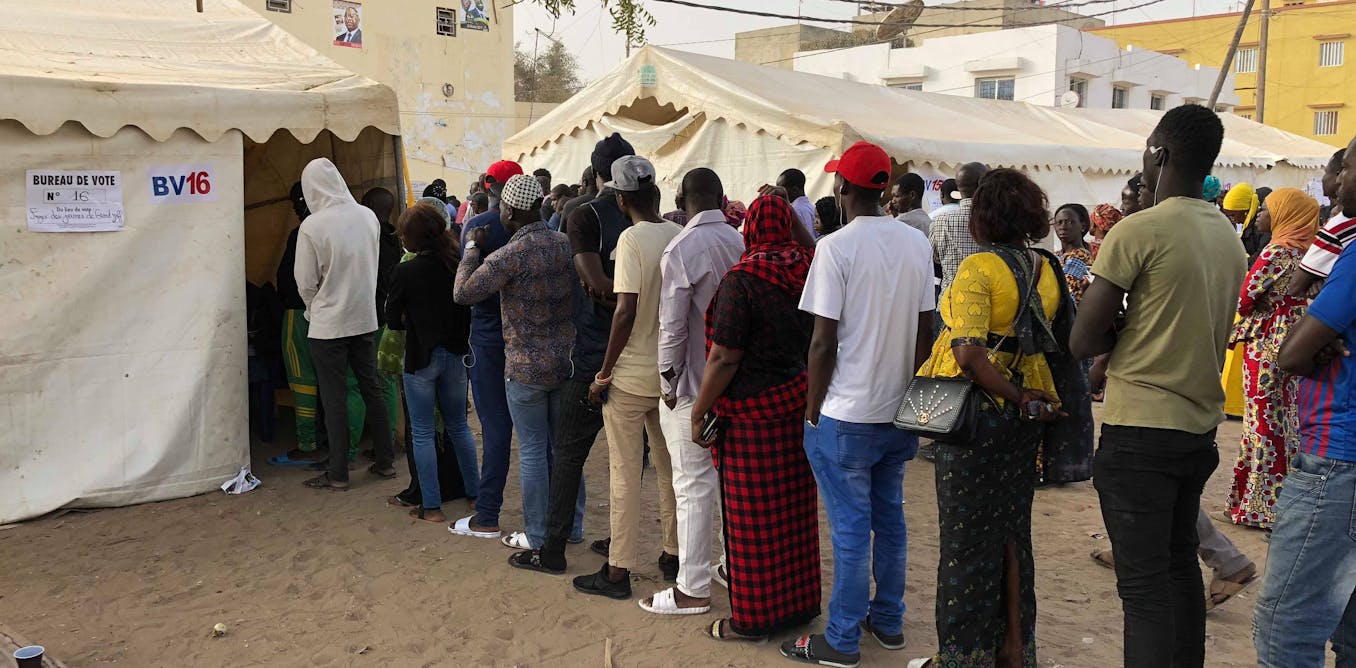
The present situation stems from the convergence of two distinct sources of legitimacy. On one side, there is the legal legitimacy of the President, endowed with significant constitutional powers. On the other, the political legitimacy of Ousmane Sonko, who controls the party apparatus and enjoys a substantial popular base. The results of the legislative elections on November 17, 2024, provide clear evidence of this widespread support. Furthermore, the upcoming local elections, scheduled for January 2027, are expected to act as a crucial regulatory mechanism within this already contentious cohabitation process, offering vital insights into African politics in English-speaking analysis.
What power resources do Faye and Sonko currently leverage?
Political parties fundamentally aim to provide material benefits to their members, who, in turn, sustain the party organizations. Within this framework, both political figures can draw upon expertise while actively working to consolidate their electoral support.
Ousmane Sonko’s primary support base includes the PASTEF-Les Patriotes party, which unanimously elected him as president (with 589 delegates voting) during its congress on June 6, 2026. He also commands a powerful parliamentary majority, holding 130 out of 165 seats, endowing him with significant constitutional powers, including oversight of governmental actions, evaluation of public policies, and the ability to initiate motions of censure.
Conversely, Bassirou Diomaye Faye possesses the substantial constitutional powers of the Head of State. However, he requires the cooperation of the National Assembly to exercise certain prerogatives effectively. Nevertheless, he can leverage the full weight of state power. His presidential stature also serves as a potent symbolic resource, crucial in this unfolding Senegal political crisis.
What factors will be decisive in shaping the power balance between the two camps?
While the stakes are undeniably high, the political game is periodically regulated by elections. These electoral processes are, in principle, designed to act as corrective and pacifying mechanisms. Consequently, a strong consensus on the electoral calendar, an unwavering demand for transparency in the electoral process, and moderation in the exercise of both executive and legislative powers will be paramount.
Public perceptions of “Ousmane Sonko’s governance” and that of Bassirou Diomaye Faye will prove decisive. The effectiveness of alternative public policies, the pressing demand for greater morality in public life, and the population’s expectations regarding accountability and “justice for the martyrs” (referring to those killed during political protests between 2021 and 2024) are all critical factors that will influence the evolving power dynamics between the two factions in this crucial moment for Africa news. The election system and the party structure serve as protective and regulatory mechanisms within democratic regimes. However, dysfunctions arising from a lack of transparency in electoral processes and an absence of moderation in the exercise of constitutional powers could potentially lead the Senegalese population to resort to violent collective action.