Senegal’s harsh new anti-lgbtq+ law sparks fear and arrests
As Brussels prepares to mark the 30th anniversary of its Pride Parade, a stark contrast emerges with the situation in Dakar. While Europe celebrates decades of progress in LGBTQ+ rights, Senegal has just enacted one of the continent’s most severe laws targeting homosexuality, institutionalizing persecution and pushing the country into a dark corner of human rights violations.
The new legislation, signed into law by President Bassirou Diomaye Faye, doubles the maximum prison sentence for “unnatural acts” from five to ten years. Fines have also surged tenfold, now reaching up to 10 million CFA francs—equivalent to over €15,000. The bill, introduced by Prime Minister Ousmane Sonko as a “sovereignty” initiative, passed unanimously in the Senegalese National Assembly on March 11, 2026, with 135 votes in favor and none against, sealing the fate of countless individuals.
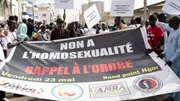
lynchings and climate of terror
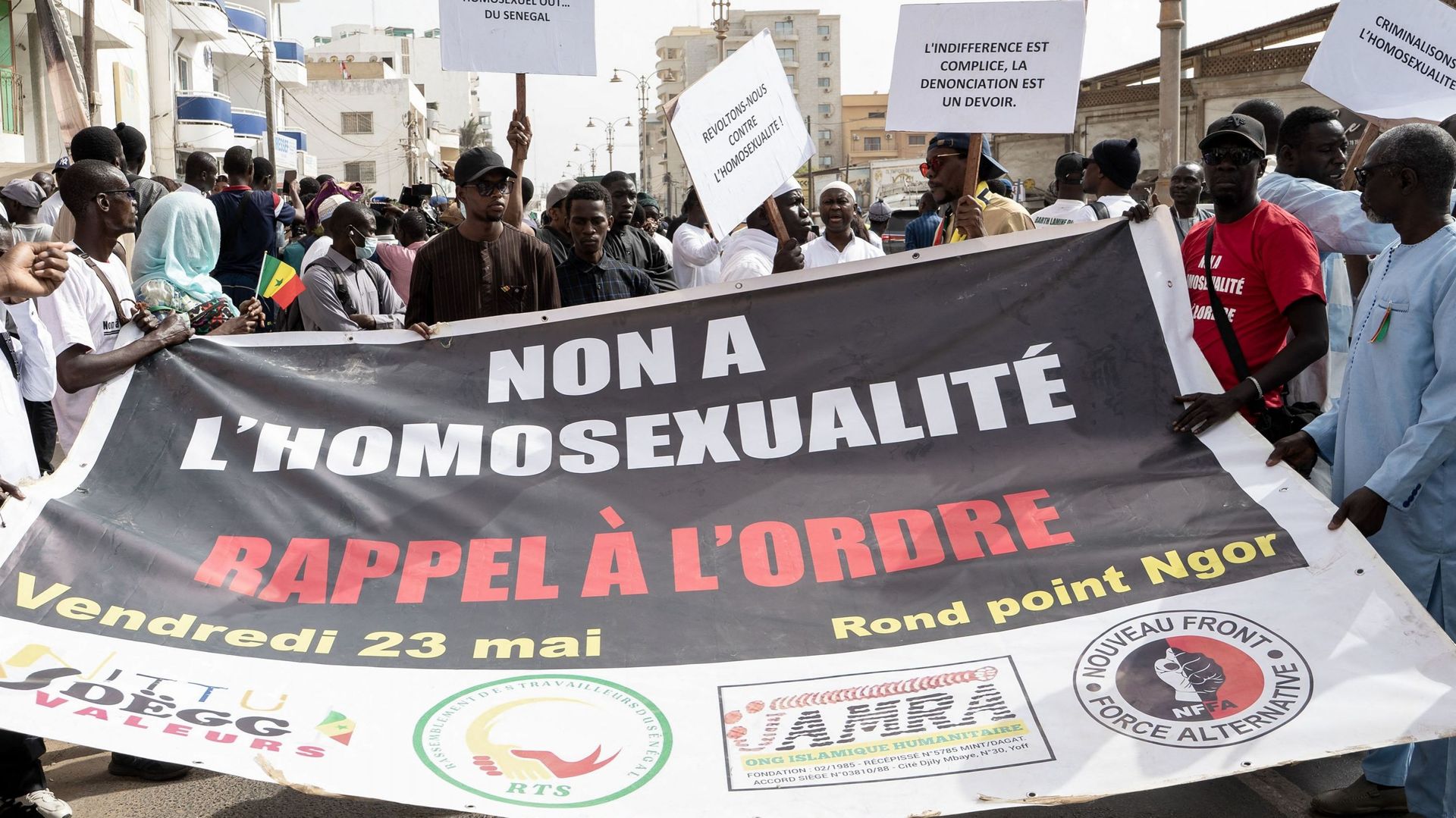
The law’s impact is already being felt. In recent weeks, over a hundred people suspected of homosexuality have been arrested. Some prefer prison to the violence of mob justice, where crowds take “justice” into their own hands. “You live in constant fear. At any moment, they could come for you. You have to hide. This isn’t a life,” confesses a young man who asked to remain anonymous.
He adds that the hatred is stoked by those in power: “They’ve convinced people that hating a homosexual makes you a better believer. If you kill a homosexual, you’ll go to paradise. Who you love—men or women—is a personal choice. It’s between you, God, and no one else.”
The paranoia is spreading. The arrest of a French engineer recently shocked the expatriate community. “We were horrified when we heard how it happened. They knocked on his door, he opened it, and they dragged him out. This is nothing short of a witch hunt,” says a friend, emphasizing that no one is safe anymore.
political and religious manipulation
This wave of hatred is fueled by the highest echelons of power. The religious group And Sàmm Jikko Yi, which lobbied for the law, has labeled LGBTQ+ individuals as a “public danger.” Its president, Imam Babacar Sylla, claims without evidence that they “deliberately spread diseases” and admits to having no empathy for the LGBTQ+ community. This rhetoric has been adopted by the government to distract from the country’s growing economic recession, framing homosexuality as a “Western import” incompatible with Senegalese values.
a regression in human rights
The International Federation for Human Rights (FIDH) has sounded the alarm: “A law like this doesn’t protect anyone—it exposes already vulnerable people to violence, arbitrary arrests, and humiliation,” stated Drissa Traoré, Secretary-General of the organization. The law also criminalizes any form of “promotion” or support for LGBTQ+ rights, threatening freedom of expression.
Moreover, HIV testing rates are plummeting. “People are afraid to carry condoms or lubricants, fearing they’ll be tracked or prosecuted. This makes it nearly impossible to encourage testing or treatment,” says a source from a Senegalese LGBTQ+ rights organization. This setback threatens decades of progress in public health.
Senegal is not alone in this regression: 31 of Africa’s 54 countries criminalize homosexuality, as do 21 in Asia. This wave marks a dark turn on the continent, where Uganda and Nigeria are already notorious for their harsh anti-LGBTQ+ laws. Until now, Senegal was considered a bastion of stability, but now it joins the ranks of states where sexual orientation can cost a decade of freedom. For those affected, exile or silence are the only remaining options.