Sharp condemnation follows calls for Sonko’s removal
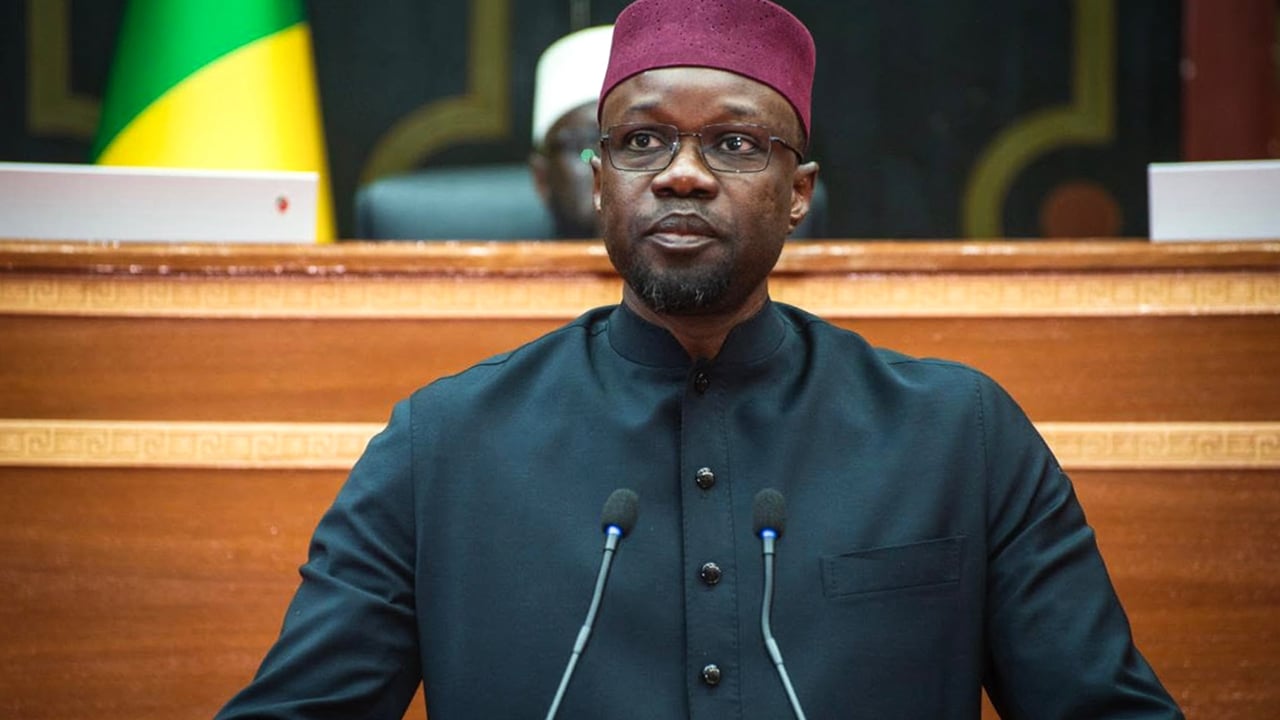
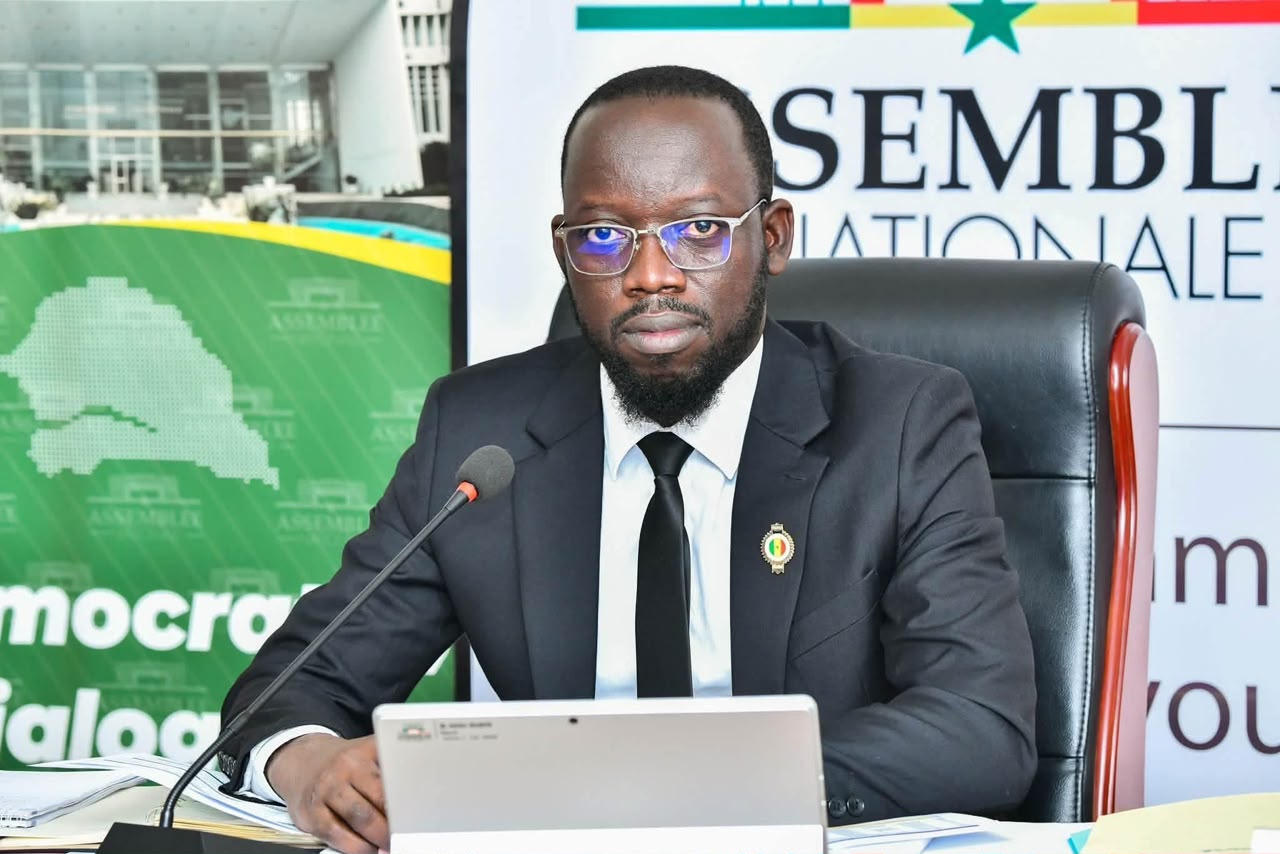
The Honorable El Hadji Gueye, a prominent parliamentarian, has forcefully rejected recent calls for the removal of Ousmane Sonko, Senegal’s opposition leader and former presidential candidate. Gueye’s statement underscores the severity of threats targeting Sonko, framing them as direct affronts to democratic principles and national stability.
Speaking in strong terms, Gueye emphasized that threats against public figures—especially those holding constitutional roles—cannot be dismissed as mere political rhetoric. “Calling for the elimination of a sitting president of a key institution is not an opinion—it is a grave threat,” Gueye declared, highlighting the urgent need for dialogue over division.
A fight for Senegal’s democratic future
Gueye’s remarks draw a clear line between constructive political engagement and dangerous provocation. He warned that Senegal cannot be governed through intimidation or exclusionary tactics, stressing that the rule of law must apply equally to all citizens.
The parliamentarian’s statement reflects growing unease among political leaders about rising polarisation. Sonko, a polarising but influential figure in Senegalese politics, has long been a target of political attacks. Gueye’s condemnation signals a pushback against rhetoric that could destabilise the country’s democratic institutions.
Why these threats demand immediate attention
The timing of these remarks coincides with heightened political tensions in Senegal. As calls for Sonko’s removal gain traction in certain circles, Gueye’s intervention serves as a reminder that threats—both direct and implied—undermine the foundations of Senegal’s democracy.
Gueye’s stance is not just about Sonko as an individual but about protecting the integrity of Senegal’s political discourse. “The Republic cannot be governed by plots or threats,” he asserted, calling for an end to inflammatory language that fuels division.
What’s next for Senegal’s political landscape?
With Gueye’s statement setting a firm tone, the political arena in Senegal is at a crossroads. Will the country move toward reconciliation, or will polarising rhetoric continue to escalate? The coming weeks will reveal whether Senegal’s leaders can prioritise national unity over political score-settling.
For now, Gueye’s position stands as a clear rebuke to those who seek to silence Sonko through fear and intimidation. His call for restraint underscores a broader commitment to democratic values—a message that resonates far beyond Senegal’s borders.