The turning point: Morocco stands alone against African consensus on Cuba
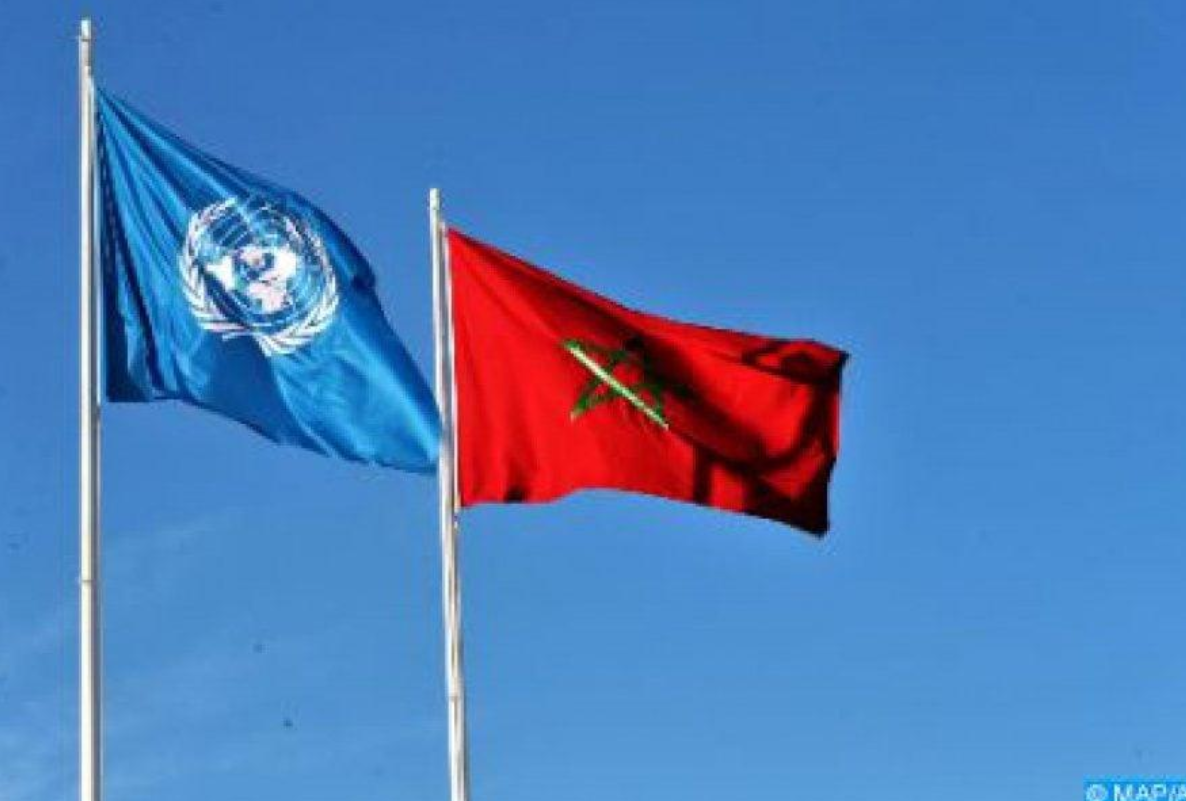
In a historic 34th vote at the United Nations General Assembly, member states overwhelmingly endorsed a resolution demanding the lifting of the decades-long U.S. embargo on Cuba. With 130 countries in favor, 17 against, and 25 abstentions, the outcome highlighted a critical shift in diplomatic alignments. Yet the most striking revelation came not from the tally itself, but from Morocco’s solitary opposition — the only African nation to reject the resolution.
The vote, held in New York on October 28, 2026, reaffirmed international support for ending the embargo despite a slight decline in backing compared to 2025. That year, the measure passed with 165 votes in favor, just seven opposed, and 12 abstentions. But the 2026 session underscored a new reality: while most African countries continued to align with the continental consensus in favor of the resolution, Morocco chose a divergent path, signaling a potential turning point in both its regional and global diplomatic posture.
Why Rabat diverged: sovereignty, strategy, or a new path?
The Moroccan government’s decision to vote against the resolution puts it in rare company. While African nations have historically stood together in support of ending unilateral economic measures seen as infringing on state sovereignty, the kingdom’s stance breaks from this long-standing tradition. The vote was not merely about Cuba; it reflected deeper debates over international justice, economic freedom, and the limits of unilateral sanctions.
Officials in Rabat have not released a detailed explanation for their vote. This silence leaves analysts to speculate on the motivations behind the shift. Was it a strategic realignment with Washington? A belief that the embargo debate had become politicized beyond its original intent? Or a cautious move to preserve trade relations with the United States? Without clarity, the vote remains an outlier — and a puzzle within African diplomacy.
What is certain is that Morocco did not oppose the resolution in 2025: it abstained. Its move to a ‘no’ vote in 2026 marks a deliberate shift, one that raises questions about whether other nations may follow suit in future sessions.
The diplomatic ripple effect: how the vote reshapes alliances
The Moroccan stance carries weight beyond the Cuban question. It occurs amid intensified U.S. lobbying efforts to reduce support for the annual resolution. Several nations, including Germany and Italy, reversed their positions this year, moving from ‘yes’ votes to abstentions — signaling a broader erosion of consensus. While each country’s decision reflects its own interests and alliances, Morocco’s shift is uniquely consequential for Africa. It is the only nation on the continent to vote against the resolution in 2026, breaking from a bloc that has shown near-unanimous support since the embargo began over 60 years ago.
This divergence does not necessarily reflect a broader rift with African partners. Rather, it highlights the growing complexity of international relations, where historical solidarity is increasingly weighed against evolving national priorities and strategic interests. For Morocco, the vote may be a calculated move to assert independence, even if it places it at odds with regional peers.
Cuba’s enduring struggle under the embargo
The U.S. embargo on Cuba, initiated in the early 1960s and progressively tightened, remains one of the most enduring examples of economic sanctions in modern diplomacy. Proponents argue it is a necessary response to Cuba’s political system and human rights record. Critics, including the Cuban government and many of its allies, view it as a form of collective punishment that disproportionately harms civilians and violates the principles of sovereignty and free trade.
Cuba faces severe economic challenges: fuel shortages, blackouts, and widespread scarcity have crippled daily life. Advocates of the resolution contend that lifting the embargo would ease access to food, medicine, and technology, easing the island’s humanitarian crisis. The U.S. counters that the embargo’s restrictions are designed to influence Cuba’s internal policies and that lifting sanctions without reform would embolden a system it considers repressive.
Despite the vote’s non-binding nature — as with all General Assembly resolutions — the outcome sends a powerful message. It reaffirms global opposition to unilateral coercive measures while underscoring the growing fragmentation of international opinion on key issues.
A moment of reckoning for African unity?
The 2026 vote is more than a tally; it is a signal. For Africa, the lone opposition of Morocco breaks from a tradition of regional cohesion on the Cuba issue. While most African countries continue to vote in favor, the mere presence of one dissenting voice raises questions about the future of continental consensus on global justice issues.
Morocco has not yet provided a full rationale for its vote. Whether this reflects a new direction in its foreign policy or a temporary deviation remains to be seen. One thing is clear: the decision has introduced a new variable into the calculus of international diplomacy. And in a world where alliances are increasingly fluid, even a single vote can mark the beginning of a turning point.
What comes next for Morocco and Cuba?
For Cuba, the resolution offers symbolic victory — a yearly reminder of international solidarity, even as the embargo persists. The real test lies in Washington, where only Congress holds the power to dismantle the sanctions. In the meantime, the island nation continues to navigate austerity, seeking alternative trade routes and partners in Africa, Latin America, and beyond.
For Morocco, the road ahead involves clarity. If the vote reflects a broader strategic shift, it could reshape its relations with both Africa and the United States. If it was an isolated decision, Rabat may find itself increasingly isolated on the continent — a fate it has historically sought to avoid. Either way, the 2026 UN vote has set a new precedent: in a world of shifting loyalties, even the most enduring alliances are no longer guaranteed.